Dreams of Tomorrow: How 1960s Visions of Futuristic Cities Stack Up Against Today’s Urban Realities
The 1960s brimmed with an optimistic vision of the future, charged by a spirit of innovation and transformation that permeated nearly every aspect of life. Against this vibrant backdrop, the relationship between society and urban space was being reimagined with unprecedented zeal. The dreams of that decade were fueled by a unique blend of cultural dynamism, technological breakthroughs, and social reform, all of which intertwined to form a vivid idea of urban futures that seemed not only possible but imminent.
The 1960s Vision of Urban Space
In the pulsating heart of the 1960s, society stood at a crossroads between past traditions and futuristic aspirations. Cities were seen as the focal point of human progress and transformation. Futurists, inspired by the rapid advances in technology, envisioned urban spaces that would be sleek, efficient, and profoundly interconnected.
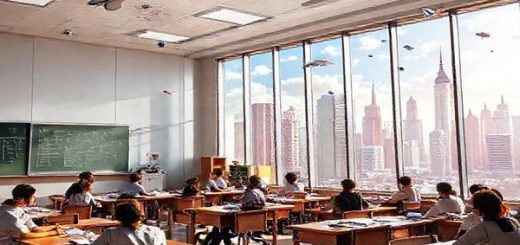
One of the most striking expectations was the dream of utopian cities that floated on air or water, liberated entirely from the constraints of geography. These visions were not limited to science fiction. Architects and planners were seriously contemplating vertical cities in the form of spiraling towers that reached for the sky, designed to house entire ecosystems of human activity. Books, television, and films like “The Jetsons” and “Futurama” imagined cities with flying cars zipping between staggeringly tall skyscrapers, while enormous transport tubes whisked people from one part of the urban landscape to another.
The notion of space-age urbanism was underpinned by significant technological optimism. Society believed that technology would conquer any urban woes, from congestion to pollution. Architects such as Archigram dreamt of walking cities that could physically move where needed, while Buckminster Fuller sketched out the idea of geodesic domes covering entire metropolises, regulating climate and conditions within.
Socially, the 1960s were also defined by a hunger for equity and community amidst urban living. There was a burgeoning hope that new urban developments could foster deeper social bonds in cities defined by sprawling parks and communal spaces. The modernist movement in architecture, with its uncluttered designs and emphasis on functionality, was seen as a way to enhance the quality of life and promote social harmony in cities.
Dreams of colonies on the moon or under the ocean spoke to a limitless horizon of possibilities in urban design. These imaginative constructs encapsulated the zeitgeist of a time ready to step boldly into an uncharted future. Even everyday conversations brimmed with ideas of domestic robots and personal pods, reflective of deep faith in an impending technological utopia.
How Urban Space Actually Evolved
Yet, as the decades unfolded, the reality of urban spaces evolved along a path that was both familiar and startlingly divergent from the dreams of the 1960s. The actual trajectory was shaped by a complex interplay of economic forces, evolving environmental awareness, and shifting societal values.
Instead of the soaring vertical cities of imagination, urban sprawl became the defining characteristic of many metropolitan areas. Suburbs expanded relentlessly, leading to increased reliance on automobiles and contributing to significant urban congestion. The flying cars that had been symbolic of a thrilling future remained a whimsical fantasy as cities grappled with more terrestrial issues like gridlock and public transportation efficiency.
While some technological promises were realized, such as the growth of high-speed trains and the automation of various urban services, many other expectations remained unfulfilled. Domed cities never materialized, and personal transport tubes remained the stuff of fiction. What did emerge in unexpected ways was the role of digital technology. The rise of the internet and digital communication reshaped urban interactions far beyond what the 1960s futurists could have anticipated, bringing about a connectedness through cyberspace rather than physical space.
Despite the spatial spread, the idea of building smarter cities never truly vanished. Urban planners increasingly incorporate “smart” technologies to manage resources more efficiently, regulate traffic, and improve waste management, leading to innovative fields like smart lighting and congestion pricing.
Surprisingly, some elements of 1960s environmental thinking began to find traction only decades later. Concepts such as green roofing, urban farming, and sustainable architecture have become central to contemporary urban planning. These trends speak to an emerging fusion of technology with ecological consciousness, echoing the community-centric dreams of the 1960s, albeit with a modern twist.
Lessons from Past and Present
Reflecting on the gaps between the expectations of the 1960s and the urban realities of today is reassuring in its illumination of how society projects its present into the future. The audacious dreams of flying cities and personal transport reflect the era’s fascination with space exploration and technological wonder, encapsulating a rare kind of hopefulness and ambition that can drive real-world innovation in unexpected directions.
These imagined futures underscore the complexity of urban evolution, highlighting that progress often arrives more incrementally than dramatically. The focus on opportunity, equality, and community from the 1960s persists today in ongoing conversations about urban challenges, indicating a timeless human aspiration to shape urbanscapes that enhance social well-being.
The unfulfilled dreams also illustrate cautionary tales about forecasting, revealing how technological optimism can sometimes overshadow less glamorous realities like economic constraints and cultural inertia. They emphasize the need for adaptability in planning, integrating flexibility to accommodate shifts in technology, environment, and societal norms.
Moreover, the comparison between the anticipated and actual underscores a critical insight: our future cities are bound by the social, economic, and environmental frameworks we create today. The legacy of the 1960s’ imaginative foresight is a reminder that bold visions have the power to inspire transformative changes in real urban landscapes, even if they follow an unconventional trajectory.
The interplay of past predictions and present realities reminds us that while the future may not look exactly as we imagine, the journey to get there can lead to innovations and connections that render the efforts worthwhile. As we look to design the cities of tomorrow, informed by both the whims and wisdom of the past, we do so with the knowledge that every era has its dreams – each one a step in the dance of humanity within its urban tapestry.