Crafted Whodunit Narratives: a feminist review of See How They Run (2022)
A Delightful Riff on Classic Whodunit Tropes
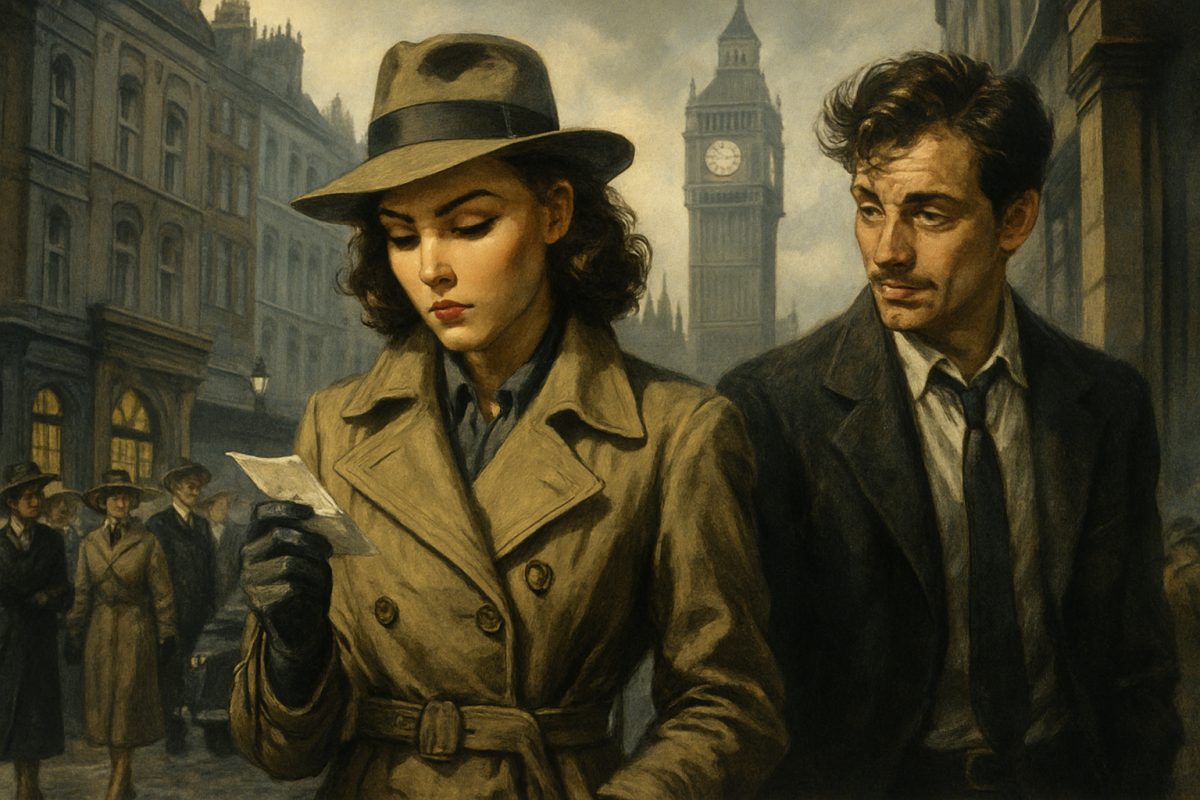
“See How They Run” (2022) presents itself as a meticulously crafted homage to the classic whodunit narrative, luxuriating in its own cleverness and cinematic style. Directed by Tom George, the film twinkles with a self-aware charm that flirts with tradition while injecting new life into a beloved genre. The film’s visual tableau is rich and textured, drawing on period-appropriate set design and costume choices that both enchant and immerse the viewer in 1950s London. Indeed, the canvas is painted with affection for cinematic craft. However, as we arrive at the confluence of artistry and gender politics, it becomes necessary to ponder: does this charming nostalgia mask conventional gender dynamics, or does it unravel them in a postmodern twist?
Dialogues and Dynamics: A Gendered Analysis
Within the orbit of “See How They Run,” the narrative ostensibly revolves around Inspector Stoppard (played with ruffled charisma by Sam Rockwell) and eager young Constable Stalker (brought to life by Saoirse Ronan). While the film allows Constable Stalker considerable screen time, one might question whether her voice truly shapes the investigative narrative or exists primarily to complement Stoppard’s contemplative progress. The film manages the Bechdel test with ticking precision, allowing women to converse in meaningful ways that contribute to the investigation and transcend mere decorative exchanges.
Yet an underlying traditionalism pervades their exchanges, where Constable Stalker often navigates servitude to Stoppard’s paternal tutelage. What at first seems like playful banter between mentor and mentee risks reinforcing a hierarchical gender dynamic if left unchallenged. Stoppard’s gruff but affectionate corrections imply a gentle pat on the head rather than acknowledging Stalker’s equal capacity for deduction. Although their interactions spark with wit, one must ponder if wit alone compensates for genuine character agency.
Subverting or Substantiating Roles?
As we peel back the layers of “See How They Run,” the question of subverting versus substantiating traditional gender roles looms large. Stalker’s ambition and intelligence are evident, yet they meander within a narrative that ultimately tilts toward romantic resolution rather than professional independence. While her character is refreshingly complex, artfully embodying both self-doubt and determination, the film’s conclusion nudges her toward conventional narrative closure. Such characterization risks leaving the viewer to grapple with disappointment that Stalker’s arc feels somewhat arrested, more framed by motherhood sensibilities than professional ambition.
Conversely, the film places secondary female characters in positions of quasi-power, teasing the audience with a semblance of autonomy. Consider the wit of Agatha Christie herself – portrayed with quiet command by Shirley Henderson – who wields narrative authority from the margins. Nonetheless, throughout the ensemble, women’s ambitions and sisterhood seldom unite against the patriarchal backdrop; their roles often feel disparate, mirroring roles traditionally associated with feminine empathy and care.
Visual Style and Cinematic Elegance
Within the labyrinthine plot twists stands a film whose visual flair cannot go unheralded. Cinematographer Jamie D. Ramsay orchestrates a dance of shadows and light, evoking a noir aesthetic that bends yet never breaks under its own linearity. The film’s palette reverberates with the elegance of yesteryear, casting each frame as a painterly postcard of mystery and mischief. This visual style resonates with cinephilic delight, signifying homage rather than mere replication.
The soundscape further enlivens the film, with Daniel Pemberton’s score punctuating narrative beats. As melodies thread tension and whimsy into the fabric of the narrative, they guide our emotional cadence, holding us in suspense while offering nods to genre conventions. George’s direction marries these elements seamlessly, orchestrating a theatrical experience that is self-assured and yet conspiratorially inviting.
Conclusion: More Than Meets the Eye?
Ultimately, “See How They Run” stands as both a love letter to and a reassessment of its genre touchstones. Its successful execution of period style and clever plotting forms the bedrock upon which it builds its quirky personality. The film’s strength lies in its ability to acknowledge its influences without becoming constrained by them. However, its relationship with gender roles conjures complex questions of representation. Are Constable Stalker’s nuances and independence celebrated enough to overcome narrative steers towards genre-typical outcomes?
The film is a delicate balancing act – at once reveling in old-school charm and scrutinizing the gender dynamics underlying our cultural love affair with the detective thriller. “See How They Run” merges its mesmerizing visual design with a narrative tightrope that dances the line between preserving and questioning tradition. For viewers with a true appreciation for cinematic artistry and a sharp eye for gender narratives, this whodunit offers both a feast for the senses and a thought-provoking introspection.