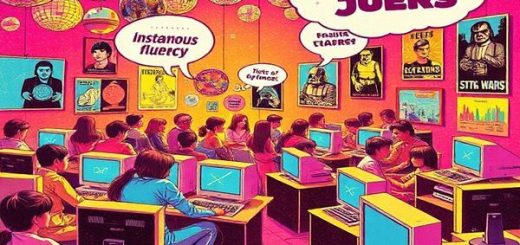
Dreamers & Doers: How 1950s Visions of the Ideal Entrepreneur Compare to Today’s Titans
In the bustling heart of the 1950s, an era dappled with optimism and the spark of post-war innovation, the image of the “ideal entrepreneur” was a vision born from the technicolor dreams of a prosperous America. This was a time when the future felt like a promise waiting just around the corner, where every black-and-white photograph of a sleek new car or home appliance fed an insatiable hunger for progress. As nations around the world rebuilt and recalibrated their paths forward, the United States was fertile soil for innovation, nurturing a special breed of dreamers: the entrepreneurs.
The 1950s Vision of the Entrepreneurial Future
Stepping into the vibrant mindset of the 1950s is like peeling back the pages of a glossy magazine promising endless possibility. The economic boom, powered largely by manufacturing and burgeoning consumer demand, set the stage for an entrepreneurial vision steeped in modern marvels. During this time, the ideal entrepreneur was often imagined as a pioneer navigating uncharted territories, drawing on the nation’s earlier frontier spirit.
Cultural influences shaped this vision profoundly. Television, a new household staple, played a significant role in glamorizing entrepreneurial life. Shows like “I Love Lucy,” while comedic, portrayed a world where enterprising ideas (regardless of their absurdity for Lucy and Ethel) were always bubbling beneath the surface. Movies, too, showcased business magnates as suave, decisive figures, offering the allure of power and respectability wrapped neatly in a gray flannel suit. It was a world where white-collar corporate life held sway, and the entrepreneur was imagined more as a sophisticated businessman rather than a scrappy innovator.
Meanwhile, in the popular media, visions of the future brimmed with vast cities bathed in neon lights and highways crowded with futuristic vehicles. These settings filled the collective psyche with an image of entrepreneurs as captains steering their enterprises toward a glittering utopia. Futurists enshrined this idea with technical discussions predicting solar power and atomic age breakthroughs that would unleash a new wave of entrepreneurial opportunities.
In professional circles, discussions mirrored this optimism. Trade journals and business periodicals opined on the “scientific” methods behind successful entrepreneurship, mirroring the systematic, process-driven mindset that defined this period. The expectation was clear: the entrepreneurs of tomorrow would be disciplined, rational planners, leveraging scientific advances to build vast industrial empires. Everyday dinner table conversations about these entrepreneurs may not have been universal, but they were often painted with brushstrokes of awe and ambition, emblematic of the American Dream renowned the world over.
The Evolution of the Entrepreneur
Reality, however, always has a way of leaving its own signature on our dreams. Over the decades, the ideal entrepreneur morphed in unexpected ways. The rise of technology, particularly the personal computer and the internet, unlocked an age of entrepreneurship that bore little resemblance to the ordered vision of the 1950s.
As the clock struck the later decades of the 20th century, the image of the entrepreneur diversified and expanded beyond the tightly wound, process-loving figures of the post-war years. The paradigm shift was spearheaded by individuals who eschewed the traditional path for the disruptive power of technology. Figures like Steve Jobs and Bill Gates epitomized this movement, embodying a more rebellious, visionary type of entrepreneur who often operated from garages, not gilded offices.
The turn of the millennium brought further transformation. Today’s entrepreneurs are as likely to be found in a coworking space, crafting bold digital products, as they are behind oak desks deciding factory throughput. The archetype of today is fluid, often dressed in casual attire instead of tailored suits, a nod to the Silicon Valley ethos.
Surprisingly, some aspects of the 1950s outlook hit close to home. The era’s assumption that technology would underpin entrepreneurial success proved prescient, although the nature and scale of that technology manifested in unpredictable ways. Where they imagined skyscraper-studded cities, we now have digital networks connecting global entrepreneurs in cohesive, instantaneous dialogues.
Lessons from The Gap between Expectation and Reality
The story of the ideal entrepreneur – both then and now – speaks volumes about how we envision the future. It reveals our tendency to project present realities onto future landscapes, painting tomorrow with the colors of familiar hopes and fears.
What emerges from comparing these visions is an understanding that our aspirations often outpace our reality in ways both inspiring and humbling. The 1950s dreamt of scientific precision, yet today’s entrepreneurs thrive in the unpredictable waves of technological disruption. This reflects a crucial insight into human optimism and adaptability; we are perpetual pioneers, but our paths twist in ways we rarely predict.
Moreover, the narrative underscores a timeless truth about the essence of entrepreneurship. At its core, entrepreneurship is about solving problems and adapting to change. Whether in a boardroom or in jeans coding a startup’s first line of code, entrepreneurs wrestle constantly with the dynamic interplay of opportunity and uncertainty.
In gathering these pieces of history and envisioning the entrepreneurial future, we are reminded that while our vision may be guided by the parameters of the present, it is the undertow of creativity and resilience that dictates where it will truly lead us.
In revisiting the bustling optimism of the 1950s, we gain not just a reflection of the bygone eras but also a lens through which to view the ongoing saga of entrepreneurship. It celebrates both our enduring dreams and the curious, winding paths that guide us toward unforeseen horizons.