Subversion Amidst Horror: a feminist review of Barbarian (2022)
A Dance of Shadows and Sounds
“Barbarian” (2022) might initially be mistaken for another formulaic horror film, but under Zach Cregger’s directorial touch, it emerges as a riveting experience that deftly intertwines fright with feminist subversion. At face value, the film grips audiences with its chilling atmosphere, yet beneath the surface, it invites viewers to contemplate the very structures that perpetuate horror both onscreen and off.
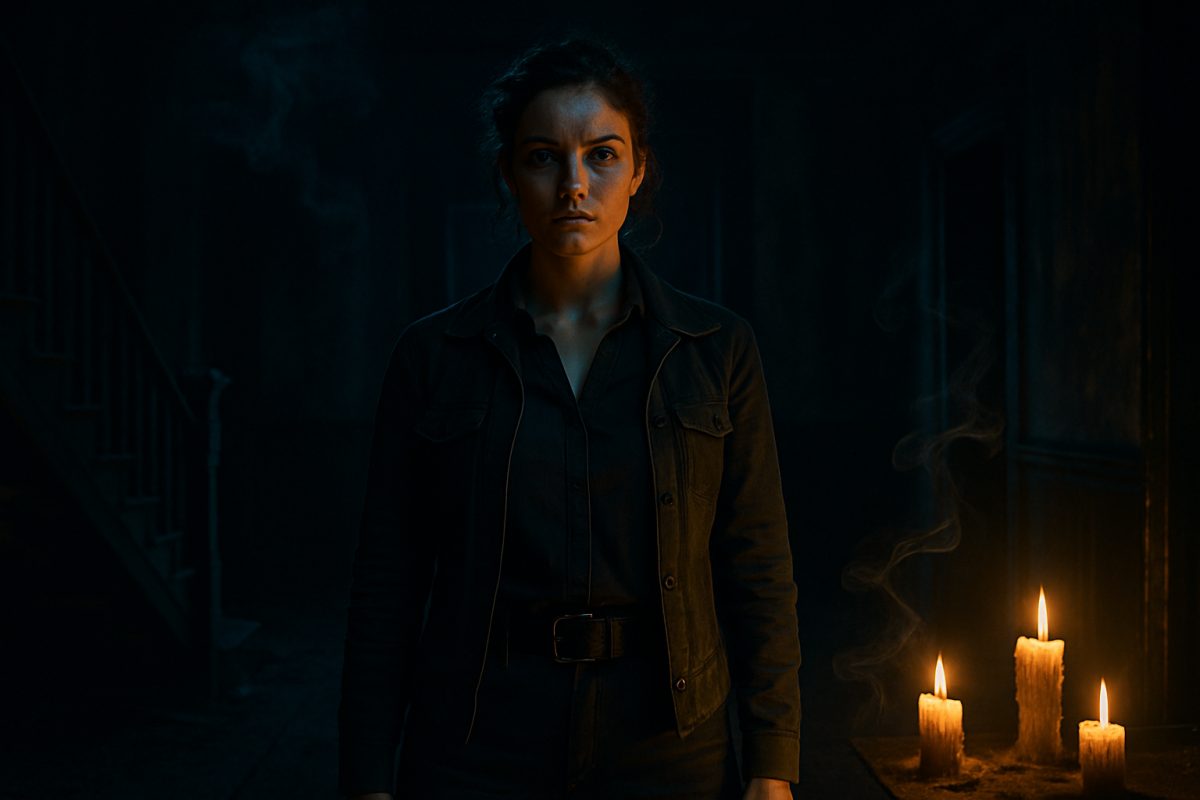
The rich, dark palette of the cinematography juxtaposed with the haunting yet understated score crafts an unsettling ambiance that is impossible to ignore. Every frame is meticulously constructed to heighten tension, drawing viewers to look beyond mere visual spectacle and probe deeper into the unfolding narrative.
Narratives of Agency and Autonomy
The narrative lifts its veil slowly but purposefully, exploring the intertwined fates of women caught in male-constructed horrors. While the film’s initial premise may tease familiar tropes – a woman trapped in a sinister house – it quickly pivots to examine female autonomy and agency in a manner that is both refreshing and necessary. The way “Barbarian” allows its female characters to navigate their fates offers a stark departure from the more passive roles women are often confined to in horror cinema.
The film showcases Tess, a character who embodies resilience and intelligence, not as mere survival mechanisms but as defining traits that propel the story forward. Unlike many of her genre predecessors, Tess is not a damsel in distress but a complex protagonist whose decisions and actions actively drive the plot. Her communication is not stifled by the male ego that pervades her environment; rather, it emerges as a force that balances tension with clear determination.
Subverting Gendered Expectations
At its core, “Barbarian” is an exploration of patriarchal decay masquerading as normalcy. The male figures in the film, rather than being heroic saviors, embody a spectrum of toxic masculinities. They are portrayed as both victims and architects of the dystopic structures within which the characters find themselves entangled. The interactions between male and female characters are fraught with an underlying examination of control – of voice, body, and space.
The film challenges traditional gender roles not just through its narrative arcs but also through its refusal to simplify complex characters into caricatured manifestations of virtue or vice. The societal expectations of motherhood, safety, and the sanctity of home are all dissected with a keen blade, leaving audiences to ponder the latent violence that resides within these traditionally sacrosanct themes.
Crafting Horror with Purpose
Beyond its commendable thematic exploration, “Barbarian” is a masterclass in tonal shifts and atmospheric prowess. The film marries visual storytelling with visceral sound design, creating a multi-sensorial experience that elevates it above mere genre conventions. The fluid camera-work, in tandem with an evocative soundscape, ensures that horrors unfurl not just as sights, but as experiences felt. These elements combined serve to push the narrative forward while reinforcing its subtextual critiques.
What stands out in “Barbarian” is not simply the moments of traditional horror – the shrieks, shadows, and suspense – but the horror that lies in the ordinariness of systemic erasure and gendered oppression. The film uses its platform to highlight women’s voices, ensuring their narratives are not sidelined but given weight and importance, questioning who gets to tell stories and who is relegated to obscurity.
Conclusion
“Barbarian” manages to wield its cinematic tools with precision, crafting something more than a chilling spectacle. It is a daring interrogation of gender dynamics wrapped within a horror narrative, refusing to offer easy answers or neatly tied resolutions. Ultimately, the film is an anthem of resilience against structures designed to silence and subjugate, challenging audiences to question the societal norms that continue to perpetuate inequality.