What is the best time to visit Manawatū District?
Nestled on the lower North Island of New Zealand, the Manawatū District presents a charming blend of rural landscapes and vibrant communities. With its serene environment and picturesque settings, the district is a gem for those seeking to explore authentic Kiwi life away from the bustling tourist spots. From the bustling market towns to the lush, rolling hills and the banks of the twisting Manawatū River, this destination is brimming with natural beauty and adventure opportunities year-round.
Manawatū District in summer
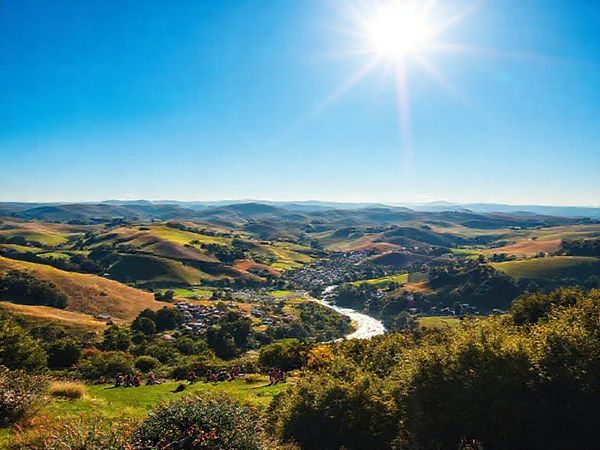
When the summer sun kisses the rolling hills of the Manawatū District, the region truly comes to life. From December to February, temperatures hover around the mid-20s°C (70s°F), making it an ideal time for outdoor enthusiasts to indulge in a plethora of activities. The Pohangina Valley, with its verdant landscapes and crystal-clear rivers, beckons adventurers to hike, mountain bike, or swim in its refreshing waters. The Victoria Esplanade in Palmerston North, adorned with blooming roses and playgrounds, offers a perfect spot for family picnics.
One of the highlights of visiting during the summer is the wide variety of local festivals, including the Manawatū A&P Show, where visitors can immerse themselves in the agricultural lifestyle of the region. The warmth of the season also sees cafes and restaurants in the towns buzzing with locals and tourists alike, enjoying alfresco dining experiences. However, with pleasant weather comes increased tourism, so travel bookings should be made in advance to secure the best accommodations.
Manawatū District in winter
Winter in the Manawatū District, from June to August, paints the landscape with a different, yet equally beautiful, brush. Temperatures cool down to an average of 10-15°C (50s°F), inviting visitors to explore the indoors of Manawatū’s charming towns and indulge in cultural activities. The Sarjeant Gallery Te Whare o Rehua can keep art lovers transfixed with its exhibitions, while the New Zealand Rugby Museum adds a dash of intrigue for sports enthusiasts.
Though the weather may be cooler and wetter, the rural charm of Manawatū remains unspoiled. The slower pace during winter makes it perfect for those who prefer a quieter, more intimate visit. The Te Āpiti wind farm, with its colossal turbines gently spinning in the winter breeze, makes for a stunning view against the frosted backdrop. Tourists can enjoy cozy stays in quaint bed and breakfasts, sipping on warm beverages as they unwind after a day of exploring. The downside is the increased likelihood of rain, so visitors should pack accordingly and plan for a mix of indoor and outdoor activities.
Manawatū District in fall
Autumn in Manawatū, running from March to May, heralds a canvas of golds and reds adorning the landscape. The cooler temperatures, averaging between 15-20°C (59-68°F), make it a delightful time for scenic drives and walks. As the leaves change, the picturesque routes along Gorge Road and the local bush trails become an array of breathtaking colors, offering perfect photo opportunities.
Harvest time in the Manawatū District brings with it a culinary celebration too. Tourists can visit local markets to taste the fresh produce, cheeses, and wines produced in the region. Autumn fairs and agricultural shows are sprinkled across the district, providing entertainment and insight into local traditions. Although fall brings fewer tourists, resulting in lesser crowds, it is essential to check the weather forecasts, as the season can be unpredictable, with occasional rain showers.
Manawatū District in spring
Springtime, from September to November, breathes new life into the Manawatū District. The vibrant blooms and fresh verdant landscapes create a visual feast. Temperatures gradually warm up, with averages ranging from 15-20°C (59-68°F), making it a refreshing season to explore the region. As nature awakens, visitors can enjoy activities like birdwatching in places such as the Feilding Kowhai Park.
Spring is a lively time for visiting gardens, especially notable events like the Palmerston North Esplanade’s spring flower display, which showcases the area’s horticultural excellence. It’s also the perfect time to explore the local countryside, dotted with new lambs and flowers, providing a quintessential rural New Zealand experience. However, it’s advised to dress in layers, as spring weather can swing rapidly from sunny and warm to chilly and wet.
So, what time is the best to visit Manawatū District?
The best time to visit the Manawatū District largely depends on personal preferences. If you enjoy sunny weather and vibrant local activities, visiting between December and February is recommended. However, if you are a fan of breathtaking autumnal landscapes and a quieter, more relaxed experience, the months of March to May might be your ideal window. For those who appreciate nature at its most colorful and don’t mind slightly unpredictable weather, spring – particularly October and November – offers a rejuvenating experience. Winter, meanwhile, provides a tranquil retreat for culture lovers keen on exploring the district’s indoor attractions from June to August.