What is the best time to visit Zealandia Ecosanctuary?
Zealandia Ecosanctuary in New Zealand offers an enchanting glimpse into a rewilded environment, providing a sanctuary for the country’s native species. Nestled in a lush valley just minutes from Wellington’s city center, this unique ecosanctuary is a testament to conservation efforts and features a predator-free habitat where rare and endangered wildlife thrive. The essence of Zealandia is captured through its tranquil landscapes, where dense forests, serene lakes, and the harmonious calls of diverse birdlife create an atmosphere of peace and wonder. Visitors can explore at leisure or join guided tours, all while gaining insight into the rich ecological tapestry of the region.
Zealandia Ecosanctuary in summer
Summer at Zealandia, stretching from December to February, welcomes visitors with warm temperatures and longer daylight hours. This is the perfect time to experience the sanctuary at its most vibrant. The flora is in full bloom, offering a feast for the eyes with lush greenery and colorful native plants. During this period, the wildlife is particularly active, and visitors may have the delightful experience of spotting the lively tūī, the flightless takahē, and perhaps the elusive little spotted kiwi, which often emerges at dusk. There’s a palpable energy in the air as the native fauna relishes the abundant resources of their environment.
While the summer sun provides ideal conditions for walking the scenic trails, the popularity of this season means the sanctuary can get busy. However, the advantage of longer opening hours allows for a more flexible itinerary. For those who appreciate a vibrant natural setting and don’t mind sharing the trails with others, summer is an ideal time to explore Zealandia.
Zealandia Ecosanctuary in winter
Winter in Zealandia, spanning June to August, brings a completely different charm to the sanctuary. The cooler temperatures offer a more serene and quiet experience, perfect for those who enjoy solitary explorations in nature. The crisp air and reduced visitor numbers create an atmosphere of tranquility, where one can truly connect with the environment without distraction.
Wildlife viewing can be particularly gratifying during these months, as many species are easier to spot due to the lesser foliage density. Observing the winter behavior of the sanctuary’s residents, such as the kaka feeding and socializing, provides a unique insight into their adaptation strategies. The downsides to visiting in winter include limited daylight and the possibility of inclement weather, which can restrict outdoor pursuits. However, for those who appreciate solitude and the serenity of nature, winter offers a silent beauty that can’t be found during busier seasons.
Zealandia Ecosanctuary in fall
Autumn, or fall, lasts from March to May in Zealandia and heralds a period of transformation. The sanctuary takes on a more muted palette, with leaves turning golden and the scenery adopting a softer appearance. This is a favored time for photographers and nature lovers who revel in the gentle change of seasons.
Autumn at Zealandia provides moderately cooler temperatures, making it conducive for lengthy walks without the summer heat. Birdsong fills the trails, particularly during early mornings when the atmosphere is crisp and clear. The transition also means fewer visitors, striking a nice balance between summer’s bustle and winter’s quietness. A notable drawback could be the unpredictability of autumn weather, which tends to oscillate between sunny spells and occasional showers. Still, for those who relish transitional beauty, fall makes for a memorable visit.
Zealandia Ecosanctuary in spring
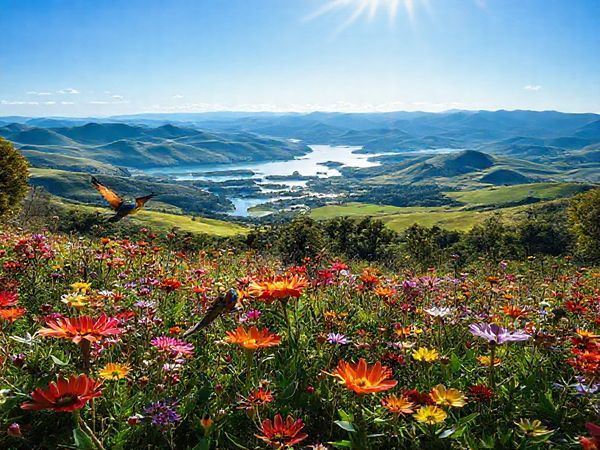
Spring, from September to November, breathes life back into Zealandia with renewed vigor. The sanctuary awakens from its winter slumber to a crescendo of activity and color. As native flowers begin to blossom, their vibrant hues paint a picturesque backdrop against which the island’s unique wildlife resumes its busy routine. Springtime sounds echo vividly with the calls of birds engaged in courtship rituals and the sight of new chicks is common, bringing a whimsical allure to the scenescape.
This season strikes a good balance, offering relatively dry weather and fewer crowds than summer. There’s a fresh enthusiasm in the air, and the experience is heightened by the lushness of rejuvenating plant life. The shoulder months of October and November frequently provide the most favorable conditions for hikers and nature lovers alike, avoiding both the peak summer influx and the tail end of winter.
So, what time is the best to visit Zealandia Ecosanctuary?
Choosing the best time to visit Zealandia largely depends on personal preferences and what type of experience one seeks. For those who delight in warm, vibrant surroundings and don’t mind a bit of company, the peak of summer, particularly in December and January, showcases the sanctuary at its most lively. Alternatively, if you prefer quieter, more introspective walks in nature, May and June offer a peaceful retreat into a world where solitude amplifies the natural symphony. For those interested in witnessing new life and growth, October and November stand out with their vivid colors and a sense of rebirth that accompanies spring. Ultimately, every season in Zealandia brings its own unique charm and wonders, ensuring that whatever time you choose to visit, you will be enveloped in the beauty of New Zealand’s natural sanctuary.