What is the best time to visit Bonn?
Nestled along the Rhine River in western Germany, Bonn welcomes visitors with its rich history, vibrant cultural scenes, and striking natural landscapes. Often overshadowed by nearby Cologne, Bonn possesses an understated charm, combining a storied past with a dynamic present. It was famously the capital of West Germany from 1949 until 1990 and maintains a legacy of political significance and cultural wealth. From Beethoven’s birthplace to stunning parks and architecture, Bonn provides a diverse range of attractions that cater to history buffs, art lovers, and nature enthusiasts alike.
Bonn in summer
Summer in Bonn extends from June to August, presenting an inviting atmosphere for those who crave sunshine and outdoor adventures. Temperatures are pleasantly warm, generally ranging from 20 to 25 degrees Celsius (68 to 77 degrees Fahrenheit), making it ideal for leisurely strolls through the city’s lush gardens and parklands. June marks the commencement of the famous Rhein in Flammen (Rhine in Flames), which features spectacular fireworks displays against the charming backdrop of the river. The energy of the city during this festival is contagious, drawing locals and tourists alike.
Visitors can also explore Bonn’s Haus der Geschichte, an engaging museum that chronicles German history post-1945, or wander through the Poppelsdorf Palace and Botanical Gardens, where exotic plants are in full bloom this season. Be prepared for peak tourist activity during these months, as travelers from around Germany and abroad flock to explore outdoor activities along the Rhine or indulge in open-air festivals. While congestion may be a downside, the warm, long days offer ample opportunities to engage fully in Bonn’s summer festivities and natural beauty.
Bonn in winter
Winter in Bonn runs from December to February, transforming the city into a cozy and captivating scene. Despite the cold weather, often hovering around 4 degrees Celsius (39 degrees Fahrenheit), Bonn radiates warmth through its festive atmosphere. The Bonn Christmas Market, held in the central Münsterplatz, brings a magical touch to the city with wooden stalls, twinkling lights, and the irresistible scent of mulled wine wafting through the air.
For those fond of classical music, Beethoven’s hometown celebrates his enduring legacy with the Beethovenfest that takes place in December. While the days are shorter and may feel more limited, winter visitors are rewarded with a tranquil ambiance and fewer crowds, making it an enchanted time for intimate city experiences. However, if you dislike the cold, the lower temperatures and occasional gray skies might be best avoided.
Bonn in fall
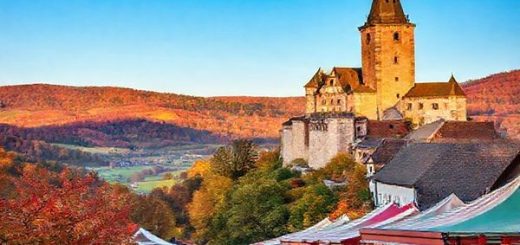
The months of September to November paint Bonn in hues of amber and crimson as fall sets in. This season is a perfect time to wander along the Rhine as the trees change color, creating picturesque views at every turn. Known for its mild and crisp weather, with temperatures averaging around 13 degrees Celsius (55 degrees Fahrenheit), fall is celebrated for its photogenic charm and serene atmosphere.
Harvest festivals bring a rustic flavor to the city life, and exploring the vibrant farmer’s markets becomes a delightful activity. Be sure to taste regional products like Federweißer, a young wine that is eagerly awaited each fall. The Beethovenfest, extended into September, continues to intrigue aficionados of classical compositions. While fall offers a calm and cultural experience, some may find the occasional rain and cooling temperatures a bit limiting for extensive outdoor activities.
Bonn in spring
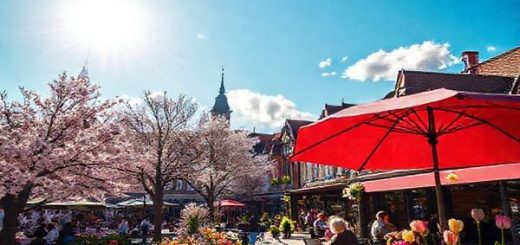
April to May offers a breathtaking awakening as Bonn bursts into color with spring’s arrival. Blossoms blanket the city, with cherry trees in the Altstadt providing a pink-hued canopy that attracts visitors from all over to witness this fleeting beauty. The climate is mild, typically from 10 to 15 degrees Celsius (50 to 59 degrees Fahrenheit), making it perfect for sightseeing and outdoor picnics.
Spring in Bonn is about renewal and vitality, showcasing the best of its gardens and greenery. Exploring the Rheinaue Park, especially during the annual cherry blossom festival, is a must-do, and visitors can revel in cultural events such as the International May Festival, which features a range of performances. While spring days can be rainy and unpredictable, the fresh, invigorating air and blooming landscapes are worth the risk.
So, what time is the best to visit Bonn?
Deciding when to visit Bonn depends greatly on one’s interests and climate preferences. If you are inclined toward outdoor festivals, vibrant crowds, and warm weather, June through August is the prime time, offering lively events and extensive daylight. However, should you prefer a quieter, more reflective visit with an emphasis on cultural events and cozy experiences, December in winter may strike a chord.
For those seeking a balance between reasonable crowds and picturesque scenery, April to May can be particularly appealing with its mild temperatures and splendid blossoms. Alternatively, if your interests lie in experiencing fall’s beauty and partaking in local culinary delights, September to October would be an ideal choice. Regardless of when you decide to journey to Bonn, each season offers its own unique tapestry of experiences, ensuring that the city leaves a lasting impression on every visitor.