What is the best time to visit Elbe Sandstone Mountains?
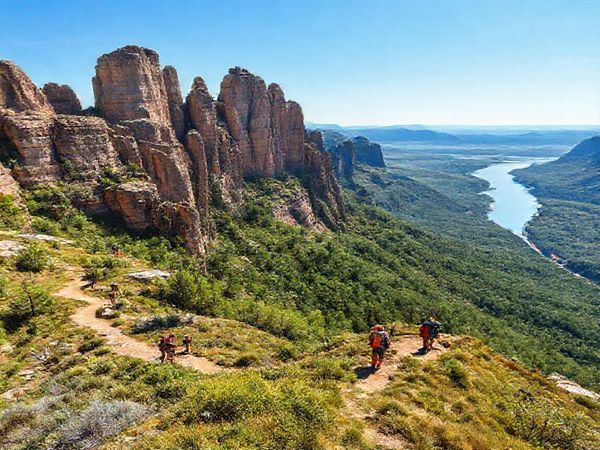
Nestled at the confluence of Germany’s borders with the Czech Republic, the Elbe Sandstone Mountains are a breathtaking natural wonder. Captivating visitors with its unique geological formations, this landscape is a mecca for adventurers, nature lovers, and anyone seeking a breath of fresh air. Known for its remarkable rock formations dubbed the “Saxon Switzerland,” this region provides a kaleidoscope of experiences throughout the year. From towering cliffs to labyrinthine woods, the Elbe Sandstone Mountains offer a serene escape into nature with an atmosphere that shifts dramatically with each season.
Elbe Sandstone Mountains in summer
In the summer months, the Elbe Sandstone Mountains burst into life, offering a vivid landscape blanketed in rich greenery. This is the perfect time for hiking enthusiasts and rock climbers as the weather is generally warm and ideal for outdoor adventures. Trails such as the famous Malerweg (Painter’s Way) showcase the region’s dramatic views, unveiling stunning vistas at every turn. The long daylight hours give trekkers ample time to explore the nooks and crannies of the park, with the Elbe River gleaming in the distance. Canoeing on the river is another favored pursuit, providing a different perspective of the sprawling scenery.
However, summer is also the high tourist season, which means that some popular spots might be crowded. It’s advisable to book accommodations in advance. Despite potential crowds, the pleasant climate, coupled with numerous cultural events and festivals in nearby villages, makes summer a vibrant and lively time to visit the Elbe Sandstone Mountains.
Elbe Sandstone Mountains in winter
Winter’s arrival paints the Elbe Sandstone Mountains in a picturesque cloak of snow, complete with a still, quiet charm. The snow-covered landscapes are nothing short of magical, evoking a fairy-tale ambiance that beckons photographers and peace seekers alike. While certain trails may be more challenging due to the snow and ice, the tranquility that winter offers is a reward in itself.
For those keen on winter sports, the region accommodates activities such as cross-country skiing and sledding. The cooler months witness a significant drop in tourist activity, offering a more intimate experience of the sandstone’s beauty. Winter provides the opportunity to experience the park’s serenity, with the added bonus of captivating winter sunsets. Visitors should pack warm clothes and be prepared for potentially icy conditions on the trails.
Elbe Sandstone Mountains in fall
As the leaves turn shades of amber and gold, the Elbe Sandstone Mountains transform into a spectacle of color in the fall. This is arguably one of the most visually striking seasons to explore the area, with mild weather providing perfect conditions for long hikes. The trees’ vibrant foliage sets the sandstone mountains ablaze with bright hues, making fall a photographer’s paradise.
The crowds of summer begin to thin, allowing travelers to enjoy the scenery in peace. Autumn’s cooler temperatures are ideal for walking tours and discovering the charming towns scattered around the region, all while soaking in the crisp, fresh air. This season is also less expensive to visit, with accommodations typically easier to secure. However, travelers should note that the days become shorter, limiting daylight hours for exploring.
Elbe Sandstone Mountains in spring
Spring breathes new life into the Elbe Sandstone Mountains as the snow melts away and the flora begins to blossom. This is a time of renewal and awakening landscapes, making it an enchanting period to visit. The air is fresh and filled with the scent of blooming flowers, while wildlife emerges from its winter slumber.
Spring presents an opportunity for bird watching as migratory birds return, filling the air with their cheerful calls. Hiking trails are often less crowded than in the peak summer months, and the weather remains comfortable. Rain showers can be frequent, but they leave behind a lush, vibrant landscape that’s rich in beauty. Accommodation rates are generally more reasonable than in high season, making spring an attractive period for budget-conscious travelers.
So, what time is the best to visit Elbe Sandstone Mountains?
For those who prioritize good weather and outdoor activities like hiking and climbing, June, July, and August are prime months. However, travelers seeking fewer crowds and vibrant landscapes will find September and October especially rewarding for their colorful foliage and tranquil atmosphere. Nature enthusiasts eager to witness springtime rejuvenation should aim for April and May, while those in search of peaceful, snowy vistas will appreciate the quiet allure of December through February. Ultimately, the best time to visit depends on what weather and activities each visitor prefers, with every season offering its own unique charm.