What is the best time to visit German Wine Route?
Nestled in the southwest of Germany lies the coveted German Wine Route, a scenic roadway stretching through the picturesque rolling hills of the Palatinate region, dotted with endless vineyards and charming villages. This paradise for wine aficionados is as much a cultural journey as it is an oenological one, highlighting Germany’s long-standing winemaking traditions. The route bustles with activity and offers breathtaking vistas, making it an enchanting destination for travelers seeking both relaxation and rich cultural experiences in one.
German Wine Route in summer
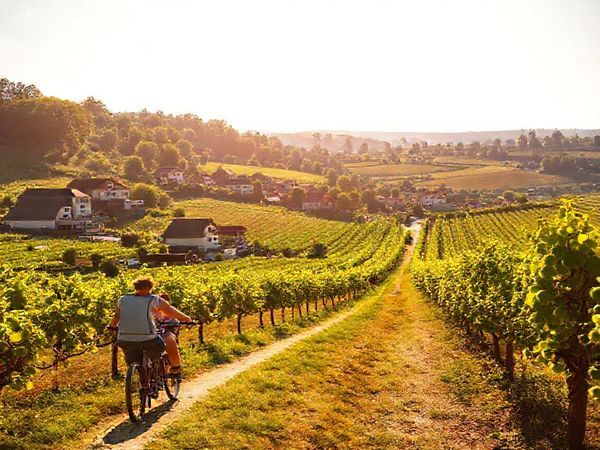
Summer brings with it a vibrant burst of life along the German Wine Route, bathing the region in warm golden light. From June to August, this stretch of land is transformed into a lively tapestry where vineyards teem with lush grapevines, creating a mesmerizing patchwork landscape under the bright sun. Tourists are drawn by the inviting weather that encourages leisurely strolls or bicycle rides between the sprawling vineyards. This is also the season of wine festivals, with towns along the route hosting events where the air is filled with laughter and the scent of fresh grapes and regional delicacies.
Days can be warm but typically not uncomfortably hot, making wine tasting amid verdant, sun-drenched surroundings a delightful affair. However, it’s worth noting that this popularity means busier times and, potentially, higher accommodation prices. It’s a fantastic season for those who enjoy a bustling atmosphere and the camaraderie of celebrating alongside locals.
German Wine Route in winter
While winter departs from the lush greenery seen in other seasons, visiting from December to February reveals a serene, almost mystical side of the German Wine Route. The landscape’s stark beauty, with vine-clad hills touched by frost and cobblestone streets basking in the soft light of shorter days, offers a different perspective and slower pace. This time is perfect for those seeking solitude and introspection, away from throngs of tourists.
Many of the region’s wineries remain open, offering warm indoor settings to indulge in tastings of full-bodied reds and local delicacies. Visitors might enjoy quiet evenings sipping robust wines by a cozy fireplace, often accompanied by hearty German meals designed to ward off the chill. Despite the region’s tranquility, the downside is fewer events and sometimes unpredictable weather conditions. Winter is ideal for travelers who prefer tranquility and a more intimate experience over the busy festivities of other seasons.
German Wine Route in fall
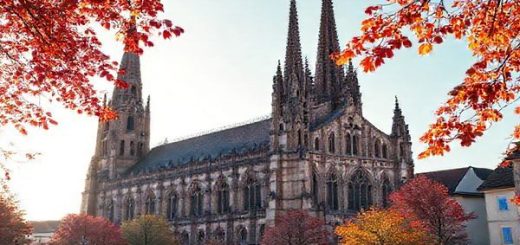
The fall period, from September to November, casts a spell upon the German Wine Route, as the landscape turns into a stunning canvas of orange, gold, and red hues. This season offers an exhilarating experience because it coincides with the grape harvest. Visitors are granted the opportunity to participate in traditional wine harvests, providing an authentic taste of local life.
Festivities abound during these months, with harvest festivals bringing collectives of winemakers to showcase their latest creations. This is arguably the best time to revel in the full-bodied flavors of fresh wines and watch the countryside turn witheringly beautiful as leaves paint the valleys with bold colors. The rustic charm, matched with the intoxicating scents and flavors of fresh produce like pumpkins and chestnuts, makes fall a favorite among those who seek an enchanting and active adventure. However, translation into higher demand for accommodations could mean pricier stays.
German Wine Route in spring
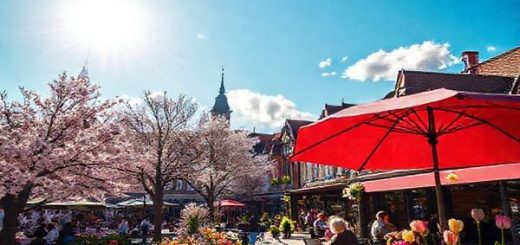
Visiting the German Wine Route in spring, between March and May, offers an entirely rejuvenating experience as the landscape awakens from its winter slumber. Blossoms begin to adorably peek through on trees and vines, creating an enchanting floral display throughout the region. Spring is a beautiful time to experience the outdoors with vineyards appearing lush with new growth, and mild temperatures inviting long walks and picnics.
It’s a peaceful period with relatively fewer tourists, meaning more personal space at places of interest. The charm of the emerging greenery combined with the excitement of new vintages being introduced provides a veritable feast for the senses. While generally mild, spring does possess a potential for rainfall that visitors need to be mindful of. For those who appreciate active tours in a more relaxed atmosphere, this period offers both beauty and tranquility.
So, what time is the best to visit German Wine Route?
Choosing the best time to visit the German Wine Route largely depends on what type of experience a traveler is seeking. For festival enthusiasts and those eager to engage in traditional activities, the months of September and October stand out as ideal due to the grape harvest and associated festivities. Meanwhile, those looking for vibrant landscapes, pleasant weather, and an atmosphere charged with excitement should consider exploring in May or during the summer months of June to August.
For a quieter, more introspective journey with intimate wine-tasting experiences and a chance to truly relax, March through April offers a peaceful retreat with nature’s bloom as your backdrop. However, if solitude and reflection with a touch of winter magic appeal, then December to February promises a unique, serene escapade. Therefore, planning visits around these preferences can greatly enhance the overall experience of the German Wine Route, leaving travelers with unforgettable memories and bottles of exquisite wines.