What is the best time to visit Peel Forest Park?
Nestled in the heart of New Zealand’s South Island, Peel Forest Park offers visitors a serene escape into nature’s embrace. Known for its splendid native forests, diverse wildlife, and an aura that combines tranquility with adventure, this lush sanctuary attracts both avid hikers and leisurely strollers. The Park’s allure stems from its ability to showcase nature’s beauty through the changing seasons, making it a popular destination year-round.
Peel Forest Park in summer
Summer in Peel Forest Park is a time of vibrant activity and warm welcomes. From December to February, the park comes alive with the hum of life as longer days and sunny skies make for ideal hiking conditions. Trails such as the Acland Falls track beckon adventurers with promises of cascading waters and shaded paths. For those seeking a thrill, the Rangitata Gorge offers exhilarating white-water rafting, allowing participants to cool off in the tumultuous waters. Summer also entices bird watchers, as the park’s canopy becomes a symphony of calls from native species like the bellbird and tui.
While the summer temperatures can soar, offering perfect conditions for picnics and leisurely swims in the forest streams, it is also the peak tourist season. This means trails might be busier, and accommodations in the area could be pricier and harder to book. However, the vibrant landscape, adorned with colorful wildflowers and lush greenery, more than compensates for these minor inconveniences, offering an idyllic New Zealand summer experience.
Peel Forest Park in winter
Winter wraps Peel Forest Park in a shroud of quiet beauty from June to August. The crowds thin out, granting a rare solitude that appeals to those seeking a peaceful retreat into nature. The temperatures dip, adding a refreshing crispness to the air that invigorates as you explore serene, less-trodden paths. Although some trails may become muddy or slippery, those equipped with the right gear find solace in the quietude and a unique charm in the frost-tipped foliage.
The panoramic vistas from Little Mount Peel offer awe-inspiring views of snow-capped peaks or mist hanging low over the Canterbury Plains. Winter visitors often bask in the tranquility, capturing photographs of woodland drenched in a gentle morning light. This season is ideal for those who prefer solitary walks and meditative connections with nature, though the chilly conditions mean it’s essential to dress warmly and perhaps skip water-based activities until summer’s return.
Peel Forest Park in fall
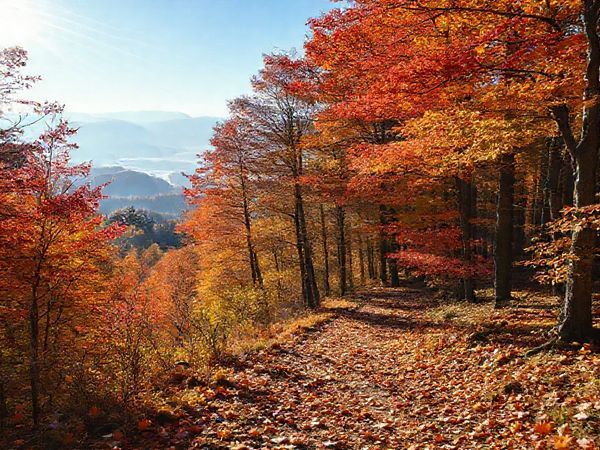
As the leaves don a breathtaking palette of red, orange, and gold, fall transforms Peel Forest Park into an artist’s dreamscape. From March to May, the forest floor is often carpeted with fallen leaves, and the air is imbued with a crispness signaling the shift towards winter. This season is less crowded than the bustle of summer, offering a mild climate perfect for those who savor slower strolls and thoughtful reflection.
The change in colors provides a stunning backdrop for both amateur and professional photographers drawn by the park’s rich tapestry. Hiking remains a favored activity, with trails like the Emily Falls rewarding visitors with stunning views after a gentle climb. However, shorter daylight hours mean planning and timing your excursions more meticulously. The mellow atmosphere coupled with calming natural beauty makes fall a fantastic time to experience Peel Forest Park without the summer swarm.
Peel Forest Park in spring
Spring in Peel Forest Park heralds new beginnings from September to November, as flora and fauna awake from winter’s slumber. The park, awash with rejuvenated greenery and blossoming flowers, becomes a living canvas filled with vibrant colors. The refreshing spring air and comfortable temperatures are perfect for various outdoor activities, from hiking and cycling to quiet picnics beneath a flowering canopy.
This season is also notable for its wildlife, as many animals become more active, providing delightful encounters for visitors. Birdwatchers are in for a treat, as migratory species join the native chorus, enhancing the park’s auditory landscape. However, the park may experience sudden changes in weather, so packing for resilience against unexpected rain showers is advisable. Spring offers a balance between lively energy and peaceful retreat before the summer crowds return.
So, what time is the best to visit Peel Forest Park?
Deciding on the best time to visit Peel Forest Park depends on what you seek from your journey. If you are an adventurer who thrives in lively atmospheres and loves water activities, then visiting between December and February will not disappoint. This period offers endless opportunities for exploration amidst vibrant landscapes.
However, if you prefer solitude, reflective walks, and crisp air, consider planning your visit in the quieter, more introspective months of June through August. The whispers of winter provide a different kind of magic, one that calms and rejuvenates.
For those who fall somewhere in between, seeking both stunning visuals and moderate activity, March through May or September to November present that perfect middle ground. These months showcase the park’s stunning transitions, allowing for a rich blend of activities, manageable crowds, and magnificent vistas. Ultimately, the best time to visit is determined by which aspects of this beautiful destination speak to your heart.