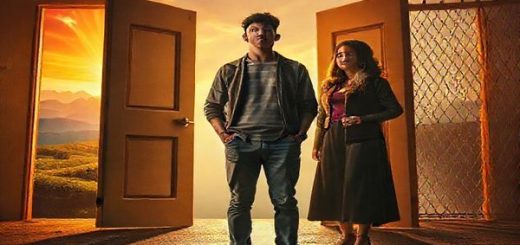
Challenging Patriarchal Terrors: a feminist review of When Evil Lurks (2023)
Challenging Patriarchal Terrors: A Feminist Review of When Evil Lurks
When Evil Lurks arrives on the cinematic landscape as both a chilling addition to the horror genre and a unique exploration of the patriarchal structures that haunt us long after the credits roll. Directed by Demián Rugna, the film offers a rich tapestry of suspense and supernatural frights, underscored by a narrative deeply engaged with themes of gender power dynamics, familial duty, and the societal expectation of silence. As a film critic with feminist intent, the dual allure of Rugna’s craft and the film’s implicit ideology provides rich ground for analysis.
Cinematic Beauty and Narrative Brevity
The film is visually compelling, its aesthetic choices crafting a world that is both mesmerizing and terrifying. The art direction paints a chilling picture of a small community ensnared by a creeping evil, with the rural landscape captured in hauntingly beautiful yet foreboding frames. The cinematography immerses the viewer into a world where every shadow carries the weight of indecipherable terror. Rugna skillfully uses rhythm and pacing to build tension, with each sequence drawing us closer to an unknown abyss that both invites and repulses. Yet, this visual finesse does not overshadow the narrative’s potency. The story is tight, its brevity serving to heighten suspense and urgency, rather than sacrifice depth.
Gendered Communication and Narrative Agency
Within the framework of Rugna’s world, characters communicate across the chasms of gender and power with an unsettling resonance. The film is not content to leave its women as mere echoes in a male-dominated conversation. From their first introduction, the female characters resist traditional narrative confines; they speak their truths, though not always heard, they are never silent. The dialogues between the women are vivid with concern and determination, though their words too often fall on patriarchal deaf ears. These interactions, though fraught with the injustice of dismissal, pulse with a life of their own and challenge the dominant male narrative successfully.
Subverting Gender Roles and Familial Expectations
When Evil Lurks fiercely critiques entrenched gender roles and the societal structures that enforce them. It places its characters – both male and female – in situations that expose the absurdity of traditional expectations. The weight of familial duty, which falls predominantly on female shoulders, is acutely interrogated through the plot’s unraveling horrors. The film challenges the viewer to question whether true strength lies in paternal stoicism or matriarchal resilience. It offers no easy answers; instead, it explores the transformative power of reversing gender roles, daring its audience to accept alternative expressions of heroism and sacrifice, where mothers, daughters, and sisters emerge not just as nurturers but as champions against evil.
Emotional Arcs and Sound Design
The tonal shifts in the film are subtly crafted, owing much to the evocative sound design that enhances both the eeriness of the supernatural and the raw emotional undercurrents. The soundscape paints tension with both loud, jarring crescendos and the hushed whispers that linger long after the scenes have changed. This auditory craftsmanship partners with the film’s narrative arcs, drawing us into the characters’ emotional turmoil – their fear, defiance, and eventual acceptance of their strength. This is a film where emotions are as much a driving force as the spectral elements, urging the viewer to confront not only external horrors but internal darkness.
Observations on Ideological Undercurrents
The ideological spine of When Evil Lurks lies in its critique of patriarchal manipulation and the perils of ignoring feminine agency. It serves as a grim reminder of how society often marginalizes women’s experiences, relegating their voices to whispers even as they are haunted by visible and invisible terrors. The film refuses to conform to superficial feminist tropes, instead pushing its female characters into positions of real dramatic agency. They drive the plot forward, not as mere victims or background support, but as active participants in the battle against terror. The film’s embrace of this narrative decision underscores a broader questioning of how we interpret strength and leadership. It suggests a dismantling of pettily defined patriarchal authority and advocates for a recognition of shared humanity in the face of inexorable evil.
In conclusion, When Evil Lurks stands as a testament to Rugna’s prowess as both a storyteller and a visionary. While it provides the thrills and fears demanded by its genre, it also offers a profound meditation on gender dynamics within familial and societal constructs. This film not only taunts us with its supernatural occurrences but forces an examination of the terrors entrenched within normative structures. By unsettling these perceptions, Rugna challenges us to remake the conversation – to ensure that the voices we hear in the darkness are not just those of terror, but of courage and change.