Animatronic Nightmares Reimagined: a feminist review of Five Nights at Freddy’s 2 (2025)
Animatronic Aesthetics: A Mesmerizing Horror
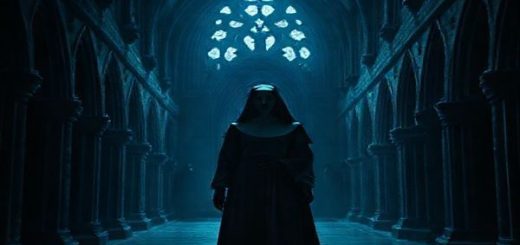
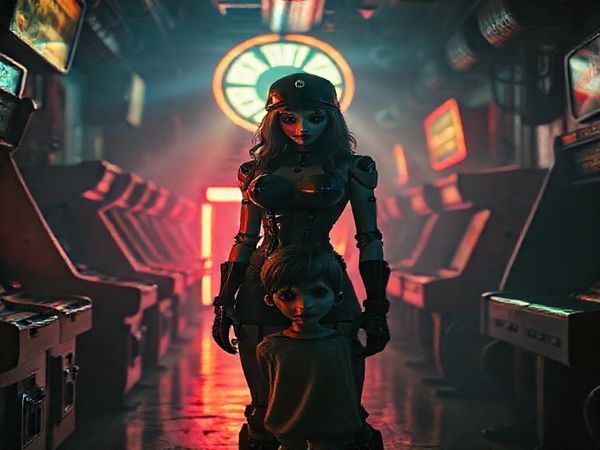
“Five Nights at Freddy’s 2” (2025) ushers audiences into a dizzying world where animatronic beings elicit both fascination and fear. The film, directed with remarkable precision, bridges the gap between terrifying suspense and unexpected beauty. While Freddy Fazbear’s Pizza remains a place of nightmares where mechanical creatures roam, the art direction transforms darkness into a canvas brimming with vivid imagination. These unexpected moments of beauty – lit crepuscular rays streaming through dirty windows or the eerie juxtaposition of grimy metal and soft, flickering neon – reflect a sophisticated visual style that underscores the film’s unnerving ambience.
The sound design elevates the tension; it is as though the animatronics whisper secrets of the past in electronic growls and haunting melodies. These stylistic choices demonstrate the filmmakers’ keen understanding of how to marry horror with a visually engaging experience. Yet, one must question if the aesthetic brilliance merely serves as a visually pleasing mask or contributes to substantive storytelling.
Gender Dynamics and Communicative Spaces
While the film employs mesmerizing visuals to unnerve audiences, it requires deeper examination of its character dynamics, notably those imposed by gender frameworks. The narrative centers around Vanessa, an ambitious night guard thrust into the chaos of her nightmarish workplace. Vanessa, portrayed with bravado and vulnerability, embodies a captivating emotional arc. Her tenacious drive propels the story forward, challenging stereotypes of women in horror as passive victims to active architects of their fate.
However, the script stumbles in carving out spaces where women converse independent of male influence. Conversations among female characters are rare and often mediated by male figures, suggesting an unaddressed bias that confines dialogue to gendered silos. The film falls into a familiar trap where Vanessa’s relationships are filtered through her interactions with male counterparts, inadvertently maintaining the patriarchal gaze through which her agency remains tethered.
Challenging Stereotypes: Motherhood and Agency
One of the film’s more nuanced explorations involves the subversion of traditional familial expectations, particularly in Vanessa’s relationship with her younger brother, Max. This sibling dynamic disrupts conventional gender norms around nurturing roles. Vanessa, though grappling with fear, assumes a protective stance that invokes maternal sentiment without subscribing to reductive stereotypes. The film presents this relationship as layered and complex, drawing depth from their past traumas while skillfully avoiding simplification.
Max, on the other hand, presents a counterpoint to dominant masculine tropes through vulnerability instead of unwarranted heroic valor. The narrative values emotional honesty over physical prowess as Max, despite his terror, serves as an emotional anchor for Vanessa. This portrayal contests traditional expectations of men as stoic protectors and women as dependent damsels, offering a refreshing angle for character agency that could have been further amplified if such dynamics had pervaded the interactions throughout the film.
Familial Ties and Broader Societal Expectations
Freddy’s lore imbues the film with a meditation on communal and familial expectations, articulated through the haunting yet poignant backstory of the animatronic beings. The script’s excursion into their origins allegorizes constraints imposed by societal pressures, serving as a parallel to Vanessa’s struggles against oppressive patriarchy. Through this metaphor, the film critiques rigid societal frameworks that recycle injustices across generations, poignantly juxtaposing mechanical destinies with human ones.
Yet, despite these ambitious intentions, the film somewhat falters in its execution of exploring intimacy in real, palpable terms. The background narrative so richly endowed with potential commentary on social expectations remains secondary to the horror spectacle, which might have offered an expansive critique of societal norms if brought further to the fore.
In spite of its aesthetic and conceptual strengths, “Five Nights at Freddy’s 2” leaves a yearning for more discerning feminist exploration behind its captivating facade. Its visual splendor and haunting soundscapes indeed elevate the film into an artistic tour de force. However, the narrative structure, character dialogues, and explorative depth prompt a longing for dismantling gender biases with the same fearless confrontation of fears that the animatronics so exquisitely embody.