What is the best time to visit Hell’s Gate Geothermal Reserve?
Nestled in the heart of New Zealand’s Rotorua region, Hell’s Gate Geothermal Reserve is a unique and enchanting destination that captivates visitors with its vibrant geothermal activity and therapeutic hot springs. The surreal landscape, with its steaming fumaroles, boiling mud pools, and rich Maori culture, provides a feast for the senses and beckons travelers seeking both adventure and relaxation. Whether you’re drawn by the mystique of Maori legends or the allure of its natural thermal wonders, Hell’s Gate offers an unforgettable experience year-round.
Hell’s Gate Geothermal Reserve in summer
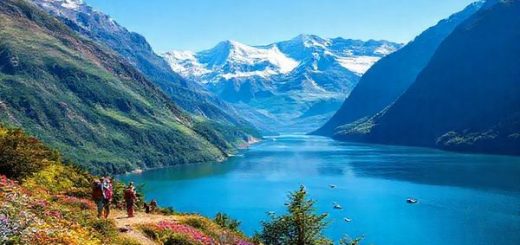
Summer at Hell’s Gate Geothermal Reserve is marked by warm temperatures and longer days, making it an ideal time for those eager to explore the outdoors. From December to February, visitors are treated to clear skies and vibrant greenery that complement the dramatic geothermal activity. The warmer weather allows for more leisurely strolls through the steaming landscape and provides the perfect setting for indulging in the therapeutic mud baths and soothing sulphur pools. Summer can be quite busy as it aligns with the peak tourist season in New Zealand, which means more guided tours and interactive cultural experiences are available. However, the increased popularity might mean larger crowds, so planning visits during the early mornings or later in the afternoon can offer a more peaceful experience.
Hell’s Gate Geothermal Reserve in winter
Winter transforms Hell’s Gate into a mysterious wonderland, where the contrast between the chilly air and the steaming geothermal features creates a hauntingly beautiful atmosphere. From June to August, the reserve takes on an otherworldly charm, with swirling mists emanating from the bubbling mud pools and steam vents. The cooler temperatures make soaking in the hot mineral baths especially rewarding, offering visitors a chance to warm up and relax while surrounded by the stunning landscape. Although the weather might be cooler and rainier, there are fewer tourists, which provides a more serene and intimate exploration of the geothermal park. It’s an ideal time for those looking to enjoy the natural tranquillity and avoid the bustling summer crowds.
Hell’s Gate Geothermal Reserve in fall
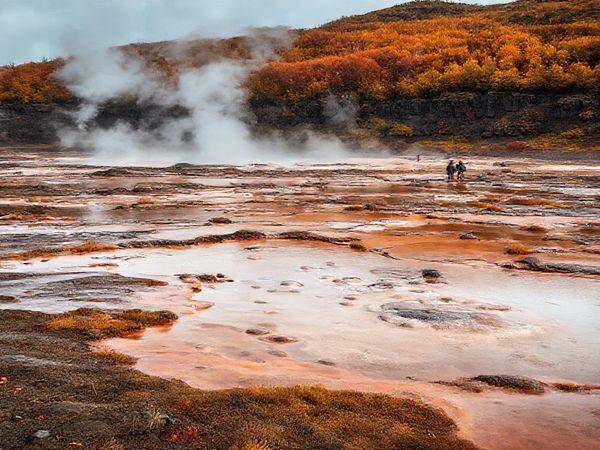
Autumn at Hell’s Gate, spanning March to May, is a particularly picturesque time to visit. The landscape is adorned with warm hues as the foliage changes, creating a striking backdrop for the vibrant geothermal features. The temperatures during fall are moderate, offering comfortable conditions for walking through the reserve and enjoying its various attractions without the intense summer heat. The season brings a quieter ambiance compared to the summer peak, making it easier to immerse oneself in the rich Maori history and traditions showcased at the geothermal reserve. Visiting in fall allows for an authentic and less hurried experience, coupled with the opportunity to witness the dramatic landscape shift into its autumnal cloak.
Hell’s Gate Geothermal Reserve in spring
Springtime breathes new life into Hell’s Gate, as the months from September to November herald the rejuvenation of nature. This season is characterized by refreshing temperatures and the blooming of flowers, which adds a splash of color to the geothermal reserve’s spectacular scenery. The spring climate is pleasant for exploration, providing an invigorating atmosphere for adventure seekers and tranquility lovers alike. With the spring months coinciding with fewer visitors than summer, there’s a wonderful balance of accessibility and relative solitude, making it an excellent time for photography enthusiasts to capture the broad spectrum of colors and activities that the landscape has to offer.
So, what time is the best to visit Hell’s Gate Geothermal Reserve?
Determining the best time to visit Hell’s Gate Geothermal Reserve depends on your personal preferences and what you seek to experience. For those who savor warmer weather and a bustling atmosphere filled with diverse activities, the summer months of December to February offer vibrant energy, although they come with larger crowds. Conversely, if you cherish quieter, more contemplative experiences with fewer visitors, the winter months of June to August provide a unique and serene beauty despite the cooler temperatures. For travelers intrigued by natural beauty and moderate comforts, both the fall months of March to May and the springtime period from September to November serve as ideal times to visit. They offer mild weather and fewer crowds, allowing for a more authentic and enriching experience. Regardless of when you choose to visit, Hell’s Gate Geothermal Reserve promises an unforgettable journey into one of New Zealand’s most striking natural wonders.