What is the best time to visit Egmont National Park?
Egmont National Park, located on the western coast of New Zealand’s North Island, is a captivating destination that enchants visitors with its dramatic landscapes and rich biodiversity. Dominated by the picturesque Mt. Taranaki, this national park is a paradise for hikers, nature lovers, and anyone with a penchant for breathtaking natural beauty. The serene yet imposing aura of the perfectly symmetrical volcanic peak creates a mystique that is hard to resist, drawing visitors from around the globe.
Egmont National Park in summer
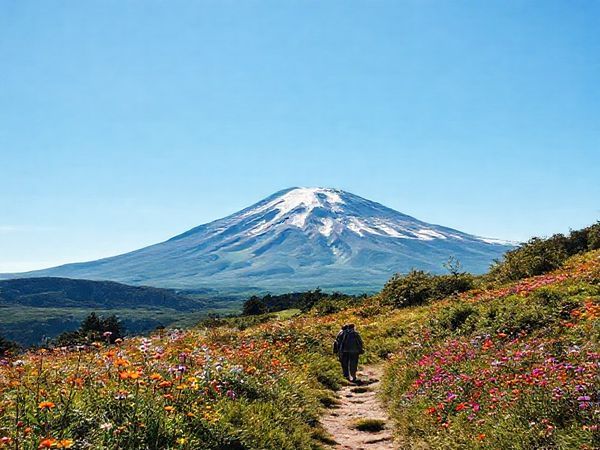
Summer in Egmont National Park, spanning from December to February, transforms the park into a lush oasis of greenery. The warmer weather allows for vibrant flora to bloom, painting the landscape with bursts of color. This season is ideal for trekking the numerous trails that the park has to offer. The clear skies and long days provide perfect conditions for exploring, with popular choices including the Pouakai Circuit and the Fanthams Peak Track. The promise of spectacular vistas and the chance to witness the unique subalpine vegetation make it a hiker’s dream. However, summer is also peak tourist season, which means trails can be busy and accommodations might require advance booking. For those who relish a lively, bustling environment filled with fellow adventurers, this is the optimal time to visit.
Egmont National Park in winter
Winter descends upon Egmont National Park from June to August, blanketing the region in a crisp white coat of snow. The majestic Mt. Taranaki becomes a stunning winter wonderland that attracts photographers and snow enthusiasts. The snow-covered trails offer a different kind of allure, with opportunities for snowshoeing and ice climbing available for the more adventurous. Although the park’s beauty is undeniable in winter, the roads and tracks can be more challenging to navigate due to icy conditions. Fewer tourists visit during this time, offering a quieter, more serene experience. However, travelers should be prepared for sudden weather changes and potentially limited access to certain areas of the park. For those who seek solitude and dramatic, snowy landscapes, winter is an unparalleled time to explore Egmont National Park.
Egmont National Park in fall
The fall months of March to May cast a golden glow over Egmont National Park, as the foliage takes on hues of orange, red, and yellow. This season provides a quieter time to enjoy the park as the crowds dwindle and the temperatures begin to cool. Fall is an excellent time for hiking and witnessing the changes in the landscape as the park transitions toward winter. The weather is generally stable, making it a comfortable time for exploration. However, as the season progresses, the risk of rain increases, so it’s wise to bring waterproof gear. For those who enjoy the tranquility of the off-peak season and the beauty of autumnal scenery, fall provides an enchanting time to visit.
Egmont National Park in spring
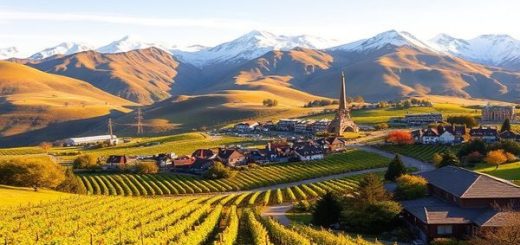
Springtime in Egmont National Park, from September to November, breathes life back into the landscape after the chill of winter. As temperatures begin to rise, the snow melts, feeding into streams and promoting new growth throughout the park. This period unveils a vibrant tapestry of wildflowers and lush greenery, creating stunning vistas for outdoor enthusiasts. Hikers can enjoy uncrowded trails and the refreshing scents of a park in bloom. Spring also allows for relatively mild weather, making it a comfortable season for those looking to explore without the intensity of summer heat or the harshness of winter. While spring can still experience some unpredictable weather, the days generally bring a pleasant blend of sunshine and gentle breezes, perfect for avid nature observers.
So, what time is the best to visit Egmont National Park?
Deciding the best time to visit Egmont National Park truly depends on what captures your heart. If you are passionate about exploring the vibrant and lively atmosphere of nature in full bloom, then December to February is ideal for hiking and enjoying the longest days of sunshine. However, if you favor less crowded trails and the striking yet quiet allure of autumn colors, then March through May offers a beautiful, peaceful experience. For those enchanted by snow-capped peaks and the charm of winter landscapes, the months of June to August present an opportunity unmatched by other seasons. Finally, if witnessing the park’s rejuvenation appeals to you, along with tolerable weather conditions, the months between September and November could offer the perfect blend of beauty and mild climate. Ultimately, Egmont National Park captivates visitors all year round, each season highlighting a unique facet of its natural charm.