What is the best time to visit Mount Cook?
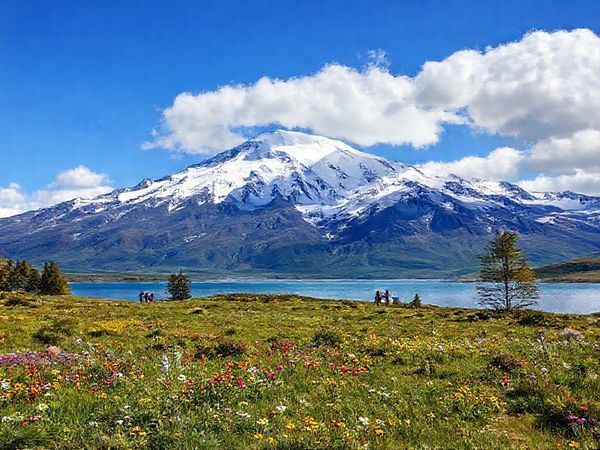
Nestled within the heart of New Zealand’s Southern Alps, Mount Cook stands as a towering icon known for its breathtaking beauty and awe-inspiring natural landscapes. This majestic peak, also known as Aoraki in Māori, is the centerpiece of the Aoraki/Mount Cook National Park and draws travelers from around the world seeking adventure, serenity, and a glimpse of its snow-capped summit piercing the sky. With its lush valleys, pristine alpine lakes, and exquisite glaciers, Mount Cook serves as a timeless retreat for nature enthusiasts, photographers, and anyone yearning to disconnect from the hustle and bustle of everyday life.
Mount Cook in summer
During summer, which spans December to February in New Zealand, Mount Cook transforms into a vibrant tapestry of greens and blues. The warm temperatures and extended daylight hours allow visitors to explore the area inn ways only these months can offer. Hiking trails become more accessible and varied, with treks like the Hooker Valley Track offering stunning views of the Mount Cook range and the iceberg-dotted lake at its terminus. Kayaking on the serene waters of Lake Pukaki adds a rewarding way to experience the mountain’s grandeur from a different perspective.
Summer is a popular time for tourists, as the generally pleasant weather accommodates a range of outdoor activities. However, it’s worth noting that the higher influx of visitors can lead to more crowded tracks and limited accommodation options, so planning ahead is essential. These months are perfect for those who enjoy bustling atmospheres and the energetic vibe that comes with more travelers exploring the wonders of Aoraki.
Mount Cook in winter
From June to August, Mount Cook dons a white cloak as winter descends, turning the region into a tranquil wonderland. The snow-blanketed landscape presents a stark, silent beauty that’s irresistible for many. This is an ideal time for mountaineering and skiing enthusiasts to test their skills on the various peaks and slopes, with the Tasman Glacier offering excellent opportunities for ski touring.
Winter, however, poses challenges with accessibility and weather conditions. Roads can be difficult to navigate due to snow and ice, and some trails may be closed. But the payoff of those challenges is the serene solitude that accompanies winter visits. With fewer crowds and the mountain often veiled in mist and snow, photographers and solitude-seekers will find winter’s dramatic scenery particularly rewarding.
Mount Cook in fall
As summer slips into fall, from March to May, Mount Cook’s landscape shifts once more. The air turns crisp, and a tapestry of autumnal colors rolls across the valleys. This is a superb time for those who prefer cooler, stable weather for hiking and photography. The falling temperature brings a peaceful atmosphere compared to the lively summer months, making it a favorite for travelers seeking a quieter experience.
The landscape’s changing hues during fall, especially during late March and early April, offer a breathtaking backdrop for explorers. However, bear in mind that the weather can be unpredictable, with the possibility of rain or the first snows of winter. This adds a layer of adventure best suited for those who embrace nature’s caprices and relish the dynamic moods of alpine environments.
Mount Cook in spring
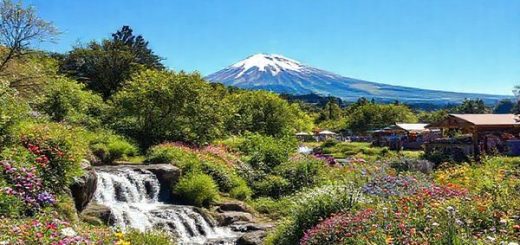
Spring in Mount Cook, occurring from September to November, heralds a rebirth of life as the snow begins to melt and flowers bloom across the valleys. The increasing warmth breathes life into the landscape, offering a transition from the stark beauty of winter to the lushness of summer. Springtime in Mount Cook is a paradise for nature photographers and botany enthusiasts, as the flora flourishes in vibrant displays.
This season is perfect for witnessing the area’s rejuvenation, with waterfalls rushing at full spate and newborn lambs dotting the pastures in neighboring areas. While some trails may still be covered in snow into early spring, the gradually improving weather makes it a comfortable time for hiking and exploring. Yet, similar to fall, unpredictable rain can affect travel plans in spring, so flexibility and preparedness are key.
So, what time is the best to visit Mount Cook?
Ultimately, the best time to visit Mount Cook depends on what you’re hoping to experience. If you’re looking for warmth and a lively atmosphere to enjoy trails and water activities, December through February is ideal. For those seeking solitude and snow sports, June to August offers a wintery escape. Meanwhile, if you’re drawn to the vibrant colors of changing seasons with milder crowds, consider visiting in March or April during the fall, or in October and November during the exuberant spring. Each season brings its own unique magic to Mount Cook, making it a premier destination year-round for various interests and adventures.