From Bronze to Cyber: 1940s Futuristic Sculpture Dreams vs. Today’s Artistic Reality
As the world surged through the tumultuous 1940s, visions of the future danced vividly in the minds of artists, scientists, and dreamers alike. This decade, defined by global conflict and the nascent promise of peace, was equally a theater of both war and innovation. With the war’s end, a sense of optimism infused cultures worldwide, and people turned their hopeful eyes to what lay beyond the horizon. Within this context, the art of sculpture was not immune to the era’s whims. Sculptors and the public grappled with how this timeless form might evolve in a fast-modernizing world.
The 1940s Vision: Earth and Beyond
In the midst of economic recovery and cultural realignment, the 1940s were fueled by a potent mix of nostalgia and futurism. Sculpture, in particular, underwent a radical reimagination. As one meandered through the labyrinth of 1940s creativity, a world bound tightly to nature yet beckoning for innovation became evident. Sculptors who had survived wars and witnessed destruction frequently drew inspiration from a longing for stability and growth. Portraying these sentiments through art offered a sense of continuity amidst change.
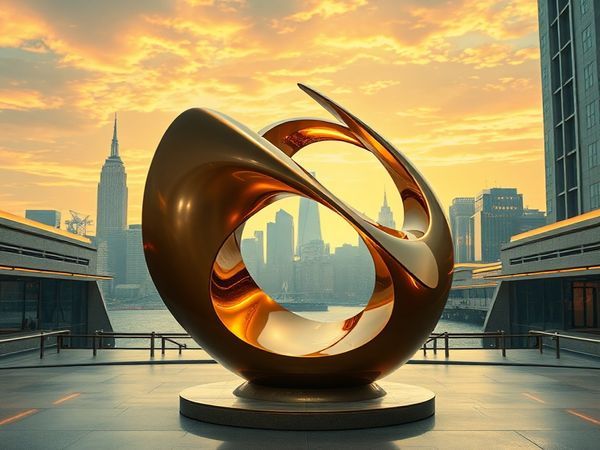
Amidst these foundational yearnings lay an adventurous spirit. People of the 1940s imagined sculpture leaping boldly into new realms. Inspired by the explosive advancements in science and technology post-World War II, ideas emerged of sculptures designed not merely as static forms but dynamic entities incorporating light and mobility. Futurists pictured kinetic sculptures that moved with the viewer or even changed form. Such ideas echoed the fascination with machines and speed epitomized by the decade’s rapid industrial advancements and were further kindled by public interest in futurism and space.
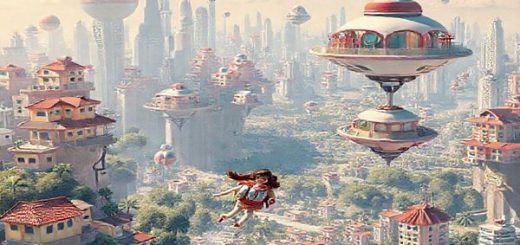
Popular media, too, provided a more fantastical lens through which the future of sculpture was envisioned. The influence of science fiction, through radios and basic television, depicted grandiose statues on distant planets or towering over futuristic cities as symbols of human achievement. These sci-fi projections, sometimes laughable today, showcased an earnest hope that sculpture could evolve into something magical and impossible, something transcending earthbound stone and metal.
Professional sculptors, influenced by movements such as Surrealism and the rise of Modernism, envisioned a future where sculpture would break free of historical conventions. This era saw critics and practitioners tantalized by the potential of plastics and new metals, dreaming of democratized art that anyone could access and understand. Art journals speculated about ephemeral works that could appear and dissolve in public spaces, standing as metaphors for the transient nature of life itself.
Still, amid this futuristic optimism lay a profound unease about technology and its impact on society. Artists questioned whether machines might reduce the unique touch of the human hand, leading some to strive for an increased connection with nature, using salvaged materials as a protest against mass production.
The Reality: Transformation and Tradition
As the decades unfolded, the actual evolution of sculpture was, unsurprisingly, a patchwork quilt woven from predictions, traditions, and surprises. The latter half of the 20th century witnessed sculptors taking bold steps that reflected both the longings and liberties imagined by earlier generations but without fully escaping the influences of their time.
Contrary to some 1940s expectations, sculpture did not become entirely mobile or mechanical, remaining broadly committed to materiality and space. Instead, the movable ambitions of the era found a niche, giving rise to kinetic art within certain circles. Artists like Alexander Calder’s mobiles did embrace movement in abstract and evocative ways, though the broader field of sculpture largely retained its static nature.
Where foresight met reality, however, was in the expanded use of materials. The latter half of the twentieth century opened doors to mixed media, installations, and land art. Artists like Richard Serra and Nancy Holt transformed sculptural practice by utilizing industrial materials and playing with vast landscapes rather than sticking only to the traditional woods, stones, and metals. In these cases, the expansion of materials truly met the expectations of visionary futurists who saw beyond the marble columns of the past.
Notably, sculpture evolved both away from and alongside technological advances. While electronics and automation did not redefine sculpture as some had thought, they inspired interactive and digital forms of art, creating platforms for public engagement in ways unimaginable in 1940s studios.
A surprising outcome was the enduring appeal of classical techniques. Even amidst sophisticated tools and digital design, the hand-chiseled integrity of traditional sculpture persisted, underlining a perpetual dialogue between progress and origin. Rather than losing the essence of the human touch, sculpture embraced a symbiosis of history and innovation.
Lessons from the Marble Dust
The contrast between 1940s expectations for the future of sculpture and its actual development reveals much about our broader relationship with time and change. The hopeful projections of dynamic, machine-like sculptures illustrate a broader tendency to see technology as a direct extension of artistic evolution. Yet, as reality shows, art often veers away from the mechanistic to uphold humanistic values.
This misalignment also speaks to a common trait in future-gazing – the propensity to overestimate the impact of new technologies while underestimating the resilience of established practices. While plastics and LEDs have opened portfolios, the artist’s hand remains a sentinel of authenticity and emotion. The endurance of classical sculpture serves as a tribute to its innate human connection, offering a sense of stability in an ever-shifting world.
Such reflections teach us that foresight often mirrors the desires and fears of the present more than actual future trends. In the case of sculpture, a deliberate, thoughtful examination reveals how the field continuously balances the legacy of its past with the ceaseless beat of progression.
The mental images conjured by the 1940s set a stage that, while partially realized, has been constantly reinterpreted by each subsequent generation. Each era’s reflective gaze into the future of sculpture acts as a history lesson for the present, reminding us of art’s enduring capacity to adapt, inspire, and retain its intrinsic meaning despite the passage of time and technological advancements.
Ultimately, the journey of sculpture from the 1940s till today is a narrative not just of evolution in form but of the capacity of human creativity to dream beyond boundaries while cherishing the enduring essence of touch and craft. As we continue to create and imagine, we do so standing on a platform of layered histories and hopeful dreams.