What is the best time to visit Pūkaha National Wildlife Centre?
Nestled in the heart of New Zealand’s North Island, Pūkaha National Wildlife Centre is a sanctuary for nature enthusiasts seeking an encounter with the country’s iconic flora and fauna. This captivating wildlife centre, renowned for its rare and unique bird species including the iconic white kiwi, offers visitors a chance to immerse themselves in a dynamic ecosystem that reflects New Zealand’s rich natural heritage. The atmosphere here is one of serenity and conservation, making it a popular stop for travelers wanting to experience the beauty of New Zealand’s wildlife.
Pūkaha National Wildlife Centre in summer
Summer at Pūkaha National Wildlife Centre brings with it an air of vibrancy and activity. From December through February, the weather is warm and inviting, perfect for exploring the lush greenery that envelops the trails and exhibits. The warm temperatures make it a delightful time for hiking through the native bush walks and participating in guided tours. During these months, visitors are likely to experience the dynamic choruses of native birds, as the breeding season reaches its peak. This is a fantastic time for birdwatchers, as many species are actively nesting and displaying courtship behaviors, offering unique photo opportunities. However, summer can also mean larger crowds, drawn by the pleasant weather and school holidays, which may affect the tranquility of the experience for those seeking a more peaceful visit.
Pūkaha National Wildlife Centre in winter
Winter, from June to August, transforms Pūkaha National Wildlife Centre into a tranquil oasis. The cooler temperatures bring a calm stillness to the air, making it an excellent time for reflection and leisurely exploration. While the weather can be quite cold, often necessitating a warm jacket, this is also when the centre sees fewer visitors, allowing for a serene experience as you wander the trails. The forest takes on a mystical quality, often shrouded in mist in the early mornings. This season is ideal for visitors who prefer a quieter, more contemplative experience, focusing on the peaceful atmosphere rather than the busy industrial feel of summer. Although some species may be less active during winter months, the chance for intimate encounters with wildlife still remains.
Pūkaha National Wildlife Centre in fall
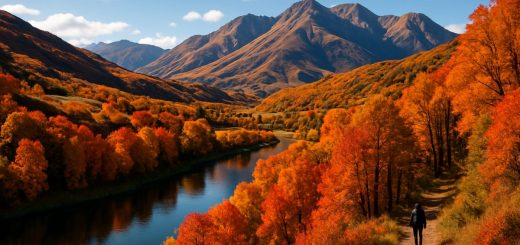
During the fall months of March to May, Pūkaha National Wildlife Centre showcases a spectacular transformation as the foliage takes on rich hues of red, gold, and brown. Fall is a wonderful time for those who enjoy the process of nature’s changing seasons, as the trails become a kaleidoscope of colors. The moderate weather with comfortable temperatures makes outdoor activities such as bushwalking particularly enjoyable. This season also provides the opportunity to witness the delightful preparations of the wildlife as they begin to wind down from the busy summer period. Although fall might not be as vibrant in wildlife activity compared to spring or summer, it compensates with its picturesque landscapes and more pleasant visitor numbers.
Pūkaha National Wildlife Centre in spring
Spring at Pūkaha National Wildlife Centre, from September to November, heralds a burst of life and renewal. The warming temperatures see a revival in both plant and animal life. This is an ideal time for those interested in witnessing new beginnings, as baby birds break free from their shells and blossoms emerge on the trees. The symphony of birdsong begins to fill the air once again, creating a lively and invigorating environment. Visitors in spring may enjoy the rejuvenation of the habitats as nature awakens from winter’s quiet. However, spring weather can be unpredictable, with a mix of sunny days and occasional showers. Visitors should plan accordingly to fully enjoy all that spring has to offer at the sanctuary.
So, what time is the best to visit Pūkaha National Wildlife Centre?
The optimal time to visit Pūkaha National Wildlife Centre depends on the experience you seek. For those who prefer vibrant wildlife activity and warm weather, visiting from December to February is ideal. If you enjoy fewer crowds and a peaceful atmosphere, June to August offers a more subdued but intimate setting. Fall, spanning March to May, provides a balance of moderate weather and stunning natural beauty, making it a fantastic choice for photography enthusiasts. Finally, September to November is perfect for observing the playful promise of spring and the emergence of new life. Each season at Pūkaha National Wildlife Centre offers its unique charm, so consider what excites you most about exploring New Zealand’s natural world.