What is the best time to visit Mount Tarawera?
The allure of Mount Tarawera lies in its breathtaking volcanic landscape, a reminder of New Zealand’s tumultuous geological history. This dormant volcano, whose dramatic eruption in 1886 altered the landscape, is a haven for adventurers and nature enthusiasts. Nestled within the lush Bay of Plenty region, the mountain offers stunning views and a sense of tranquility that appeals to those looking to escape the hustle and bustle of city life. From its rugged craters to its overlooking peaks, Mount Tarawera promises an unforgettable journey through natural beauty and historical wonder.
Mount Tarawera in summer
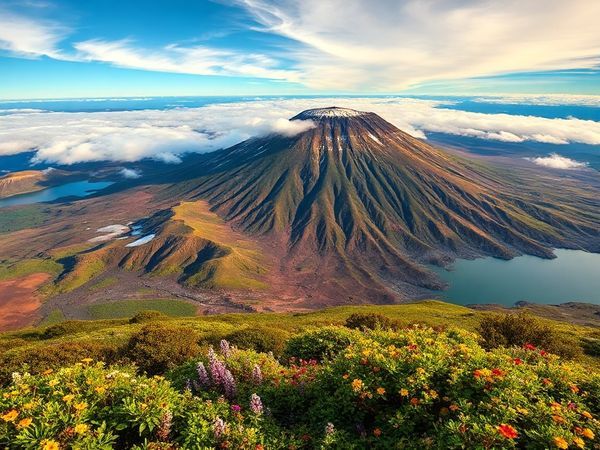
The summer months transform Mount Tarawera into a vibrant tapestry of colors and life. Between December and February, the weather is warm and welcoming, with temperatures typically ranging from the mid-20s°C, offering ideal conditions for hikers and outdoor enthusiasts. During summer, the trail to the summit is lined with lush greenery and wildflowers, adding a dash of color and life to the stark volcanic landscape. This season is perfect for those who want to explore the mountain in its most accessible and forgiving state.
Ascending to the summit offers panoramic views of the surrounding lakes, including the glimmering waters of Lake Tarawera. There is no better time to venture on guided tours that delve into the volcanic history, where you can learn about the Pink and White Terraces that once existed. However, being the peak tourist season, popular trails can become crowded, so it’s wise to set out early to beat the crowds and make the most of the long daylight hours.
Mount Tarawera in winter
Winter at Mount Tarawera, from June to August, is an entirely different experience, characterized by a serene and peaceful atmosphere. The colder months cloak the mountain in a mystic fog, creating an ethereal backdrop for any visit. While snow is rare, the cooler temperatures can dip below 10°C, offering a brisk and refreshing experience. This is the time for visitors who relish the quiet and prefer exploring without the hum of crowds.
Winter hikes offer a special kind of solitude, and the landscape, stripped down to its geological essence, reveals the stark beauty of the black lava fields and jagged craters. However, potential hikers should be prepared for brisk winds and potential rain, making proper gear essential. Though less crowded, winter is perfect for those drawn to the mountain for introspection or quiet reflection in a beautifully raw environment.
Mount Tarawera in fall
The fall season from March to May paints Mount Tarawera in shades of gold and crimson. It is a period when the mountain seems to bask in the gentle glow of the lowering sun, providing some of the most breathtaking views. The temperatures become milder, ranging around 15-20°C, providing pleasant conditions for a range of activities.
Fall is a great season for photographers who wish to capture the dramatic interplay of light and shadow over the cratered landscape. The trails are generally less crowded than in summer, making the exploration more relaxed and unrushed, yet still entertaining with guided tours that dive into the Maori legends and local stories surrounding the mountain. One should be mindful, though, that fall can sometimes bring unexpected rain showers, so packing waterproof gear is advisable.
Mount Tarawera in spring
Springtime, spanning September to November, heralds a time of renewal at Mount Tarawera. This season brings an invigorating freshness to the air as temperatures gradually climb from 10 up to the mid-20s°C. The retreat of the winter fog unveils verdant growth and an explosion of budding flowers, filling the air with the scent of blooming wild flora.
Spring offers the chance to explore the mountain amidst rejuvenating natural beauty. It is an excellent time for those interested in both hiking and taking historical tours, as the trails become more accessible and safe following the wetter months. Although spring is not as busy as summer, it marks the beginning of the visitor influx, meaning it’s possible to enjoy the mountain with fewer crowds while still appreciating the burgeoning energy and life.
So, what time is the best to visit Mount Tarawera?
Ultimately, the best time to visit Mount Tarawera largely depends on the type of experience you are seeking. For those who prefer balmy weather and vibrant trails, the summer months of December to February are ideal, though they come with the draw of larger crowds. If you thrive in solitude and appreciate a cooler climate, consider visiting in the winter months of June to August, when the mountain has a mysterious and tranquil vibe. For a blend of both quiet and mild conditions, March and April can be superb months to enjoy the autumnal beauty mixed with more moderate temperatures. However, if you prefer the renewal associated with spring, then September and October offer a perfect compromise between peaceful solitude and pleasant weather. Each season offers its unique charm but being prepared for the specific conditions of your chosen period will ensure a truly memorable visit to this magnificent natural wonder.