From Sci-Fi Feasts to Farm-to-Table: How 1970s Culinary Dreams Shaped Our Unexpected Food Future
The world of the 1970s was swirling with excitement about the future. Amidst technological breakthroughs and a culture buzzing with innovation, people of the time held vivid dreams about what life could look like. One area in which these dreams flourished was the culinary world, where the kitchen was imagined as a space-age hub brimming with new and tantalizing possibilities. This was a time when imagination ran wild, and visionaries had no qualms about painting vivid, if sometimes outlandish, pictures of the meals and ingredients of the future.
The 1970s Vision of Culinary Futures
Step back into the 1970s, and you’re stepping into a world that teetered on the brink of dramatic change. Society was riding the technology wave with more people owning personal televisions, microwave ovens becoming household staples, and the first inklings of personal computers appearing on the scene. Meals Ready-to-Eat (MREs) were making waves as astronauts ventured into space. Such advancements sparked imaginations about what could be next for culinary sources of inspiration in homes across the globe.
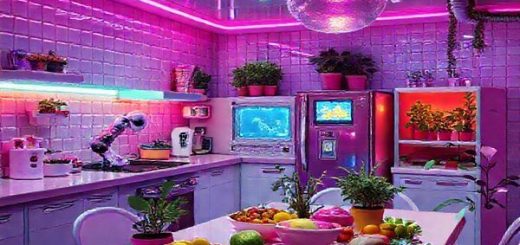
Futurists of the time, inspired by the era’s technological leaps, predicted kitchens filled with automated systems that would take the guesswork – and much of the work itself – out of cooking. Cookbooks from the future envisioned meals more akin to science experiments, with synthetic foods developed to maximize nutritional output. Many expected that these futuristic foods would serve efficiently in pill form or as synthetic sustenance, developed in high-tech labs.
In popular media, films and television shows echoed these predictions, displaying kitchens as sleek, gadget-laden havens where robots did the simmering and serving, and ingredients came from sci-fi inspired origins, like hydroponically grown plants or protein synthesized in laboratories. “The Jetsons” is perhaps the quintessential example, envisaging a future where dinner could be summoned at the push of a button without a human hand in sight.
Beyond professional forecasts and fictional depictions, everyday conversations at suburban dinner parties and Sunday brunches veered towards these futuristic elements. There was excitement about the convenience the future seemed to promise, a world where whipping up a nutritious meal could be delegitimized to an automated process for ultimate efficiency. This vision resonated particularly well during a time when many were feeling the crunch of a fast-paced lifestyle, catalyzed by more women entering the workforce full-time and seeking quicker ways to manage household chores.
The Evolution and Reality of Culinary Innovation
Fast-forward to the present, and the evolution of culinary sources of inspiration has been a fascinating blend of both expected advancements and delightful deviations. Rather than meals in pill or lab-synthesized formats dominating our dinner tables, culinary evolution took a turn towards the organic and artisanal. People found inspiration returning to age-old techniques in tandem with embracing certain technological innovations.
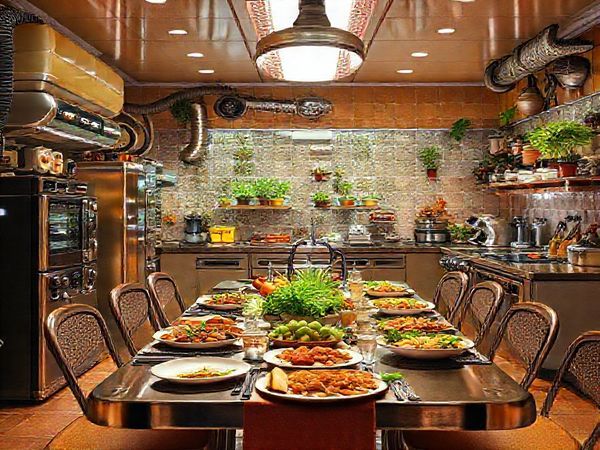
The organic food movement, for instance, surged in popularity as more people sought to eat healthily and sustainably. Chefs and home cooks found inspiration in hyper-local ingredients and revived traditional cooking methods with a modern twist, using fermentation, grilling, and slow-cooking techniques that had been overshadowed by the convenience revolution of the preceding decades. Surprisingly, while automation became reality in many industries, the kitchen remained a sanctuary for slow, meaningful, human-led cooking practices.
That said, technology has had a profound influence. The modern kitchen is replete with smart devices like precision-controlled sous-vide machines, induction stovetops, and even intelligent refrigerators that suggest recipes based on their contents. Devices such as Instant Pots or air fryers are increasingly common, cooking up meals more quickly and conveniently without sacrificing the authentic culinary experience of scratch cooking.
Comparing these realities to 1970s predictions reveals a blend of both foresight and oversight. Yes, kitchens are graced with advanced technology that was correctly anticipated, cooking tools that could stand shoulder to shoulder with those seen on “The Jetsons.” But instead of replacing the cooking process, these technological wonders have served to enhance and empower human creativity rather than diminish it. The prediction of entirely synthetic food being a staple did not come to pass, largely replaced by a focus on sustainable, real ingredients. The human penchant for tradition and authentic flavors proves to be a force that technology did not override but rather complemented.
Lessons from Our Culinary Journey
The gap between the 1970s expectations and today’s culinary reality speaks volumes about human nature and our connection to food. It reminds us that while our imaginations reach skyward towards convenience, there is a deep-rooted emotional need to connect with food on a personal and culturally significant level. This journey underscores how the visions we hold for the future are frequently tinted by the hues of our present-day desires and values as much as they are by technological possibilities.
Our 1970s forebears saw a future rich in innovation, imagining a world where technology took center stage. But what unfolded tells a story rich in human resilience and an enduring love for authenticity and nature. The shift towards organic, homegrown, and artisanal reflects a deeply human need for connection to our origins and the world around us, a counterbalance to the fast-paced, technology-driven lives we lead.
The culinary evolution also hints at the dual nature of progress – technology isn’t just about replacing the old with the new. Instead, it’s about integration, where old techniques and new inventions marry to create something that respects history while embracing advancement. This is mirrored in how culinary inspirations today embody stories, traditions, and aspirations, often expressing culinary identity through a fusion of these past pathways and futuristic avenues.
So as we envision the next decades, perhaps we can remember that the future of food will likely continue to surprise us and defy predictions by intertwining the old with the new, balance with indulgence, tradition with innovation. It’s a recipe that has kept humanity curious and inspired – a soulful, nourishing journey into the unknown.