City Dreams and Reality: How 1930s Visions of Urban Life Compare to Today’s Cities
In the tapestry of time, each decade weaves its own patterns of hope and expectation about the future. As the world tumbled through the economic turmoil and profound social changes of the 1930s, a vibrant collective imagination began to shape visions of how society and urban spaces would evolve. Fast forward to today, and while some threads remain familiar, others have diverged in surprising ways. The contrasts between then and now are not merely curiosities; they offer deep insights into how humanity envisions its journey, often revealing more about the era in which the imagination resides than the future it seeks to predict.
Dreams of the Metropolis: Visions of the 1930s
Step into the bustling world of the 1930s, where the call of modernity echoed across cobblestone streets and dirt roads alike. It was a decade strummed by the Great Depression’s somber notes, yet driven by the relentless optimism that humanity could build itself out of hardship. The future, for many, glimmered with the promise of orderly, innovative urban spaces that served as the beating heart of a thriving society.
Amidst the art deco facades and jazz-infused speakeasies, futurists and architects collaborated to sketch cities that ascended into the sky. The urban sprawl of early American metropolises hinted at the immense potential lying in urban renewal. Designers like Le Corbusier envisioned cities marked by vertical growth, with towering structures integrated into lush green spaces. Here, enormous skyscrapers were not just symbols of architectural prowess but pillars of a new societal alignment, where efficiency and ease of living were paramount.
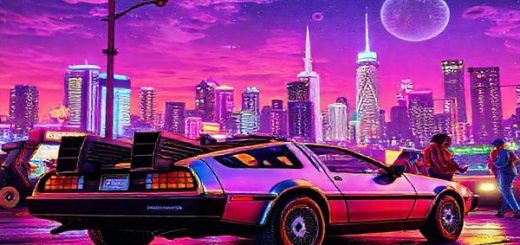
In the realm of popular media, films like “Metropolis” captivated audiences with futuristic depictions of stratified societies flourishing under the tense symbiosis of technology and human ambition. Buildings soared to improbable heights, connected by a meticulous web of pedestrian walkways and moving sidewalks. Public imagination wasn’t just stimulated by sci-fi fantasies; practical discussions around urban planning also pervaded intellectual circles, magazines, and salons. There was an almost utopian faith that technology would harmonize the chaos of urban centers, creating spaces that fostered both productivity and leisure.
Ordinary folks, while gripped by the hardship of the times, aspired to these brighter tomorrows. Discussions were peppered with talk of miraculous new machinery that could shape cleaner, more efficient cities. Dreams of lives transformed by sprawling parks, traffic-less thoroughfares, and the buzz of automated vehicles hovered above radio and kitchen table chatter.
Reality Revealed: The Urban Journey from Then to Now
And so the world moved forward, building cities layer upon intricate layer, but far from the singular vision of towering harmony that the 1930s dreamed. The reality of urban evolution involved a tangled interplay of technology, population growth, and societal shifts. Cities did indeed reach for the sky, with skyscrapers surging upwards, but more often these felt the weight of economic and regulatory limitations.
In the post-war era, the landscape of urban spaces began a dramatic transformation. Economic resurgence, suburban expansion, and automobile culture steered away from the high-density cores envisaged by pre-war visionaries. Instead, America’s cities sprawled outwards, with the rise of highways carving new roads into quieter residential stretches. The green utopias visualized by Le Corbusier did arise in places – though sporadically and nowhere near as universally as imagined.
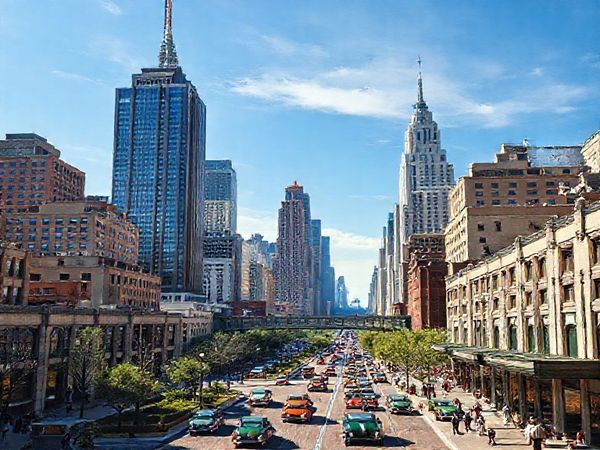
The 20th-century march did bring about technological marvels woven into city life. Skyscrapers today form the iconic skylines that once seemed scarcely possible, and integrated public transport systems crisscross continents with a precision thought futuristic in the ’30s. Yet the dream of utterly seamless urban integration often stumbles against human complexities both mundane and monumental – economic disparities, cultural preservation, and an ever-accelerating climate crisis, shaping contemporary urbanism with nuanced strokes unforeseen in prior decades.
The expectation of completely automated cities brimming with technological solutions to daily hassles – moving walkways and autonomous cars as staple elements – remains more tempered. While certain cities flirt with these advancements, widespread implementation faces practical and ethical barriers unforeseen by the optimistic engineers of yesteryear.
Lessons in Hindsight: Understanding Human Perceptions
Reflecting on these disparities between perception and reality uncovers fundamental truths about human foresight. The way civilizations predict their futures often mirrors current contexts more starkly than they illuminate true possibilities. In the 1930s, urban visions were sculpted by the environmental, technological, and emotional realities of the time. Desire for control over the chaotic urban sprawl, and optimism in technological salvation, reflected both escapism from and solutions to contemporary struggles.
Human aspirational constructs often reveal more about societal desires and fears than pragmatic outcomes. The ’30s dreamed boldly of egalitarian cities serviced by benevolent tech to heal socioeconomic rifts, yet the intricate mesh of culture, policy, and pragmatism that contours urban development means we progress forward, all the while holding onto, and acting within, the limits of our foundation.
Ultimately, while the paths diverged, the vigor of architects and futurists to imagine, to dream, to build upon possibility – those gifts of human nature endure. The story of urban development reaffirms a timeless dance: humanity’s ambition forever meets the worldly canvas it’s drawn upon, a reminder that the future we imagine is invariably colored by the brush of today’s realities.
In examining these patterns, we gain perspective, perhaps even humility, recognizing that the visions we craft today are just as layered with our present circumstances as those of the past. Our relationship with urban space continues to evolve, informed by consistent human drives: to organize complexity, to innovate, and ultimately, to seek spaces that reflect our aspirations for connection, opportunity, and a touch of utopia.