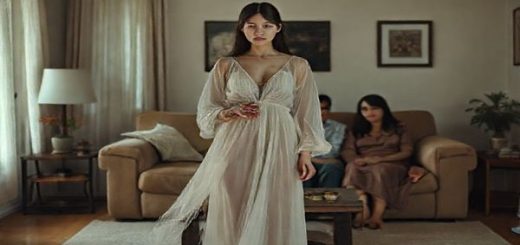
Subverted Narratives Unveiled: a feminist review of Perfect Days (2023)
Subverted Narratives Unveiled: A Feminist Review of Perfect Days (2023)
Aesthetic Brilliance Meets Narrative Ambiguity
In “Perfect Days” (2023), every frame feels like a beautifully composed photograph, engulfing the audience in an ocean of visual splendor. Director Wim Wenders crafts an evocative landscape where the art of filmmaking and storytelling achieves symbiosis. Yet, beneath this radiant artistic exterior lies an enigmatic narrative entangled with feminist undercurrents that demand deeper exploration.
The film’s artistic craft is undeniable – from its breathtaking use of natural light to the meticulous attention to sound design, where every echo and silence builds an auditory tapestry that enhances the storytelling. The visual palette, rich and sensual, captures the complexities of its characters with an intimacy that feels both generous and invasive. However, this aesthetic brilliance becomes a seductive veil that occasionally obscures underlying gender dynamics, leaving a compelling tension between surface allure and subtextual exploration.
Gender Roles: The Dance of Reinvention and Reinforcement
At the heart of “Perfect Days” lies a narrative grappling with the often conflicting forces of tradition and transformation. While the film presents a world seemingly progressive on the surface, it remains caught in a dance of reinvented yet familiarly entrenched gender roles. The female characters, though pivotally present, sometimes teeter perilously close to symbolic figures rather than fully realized individuals with agency.
Female dialogues oscillate between moments of searing authenticity and instances where their words serve as mere ornamentation. The conversations between women occasionally strike a genuine chord of camaraderie and shared experience absent of male mediation. However, there are also moments when their interactions falter, relegating them to echo chambers of patriarchal reverence, subtly reinforcing traditional gender tropes. The narrative wrestles with these contradictions, seeking to subvert but always skirting the comfort of timeworn cinematic stereotypes.
Exploring Family, Motherhood, and Social Expectations
The tapestry of “Perfect Days” weaves complexities around the themes of family and motherhood, exploring these dimensions with an ambitious yet delicate hand. These themes serve as mirrors, reflecting societal norms and expectations while daring to question them. Motherhood, a motif recurrent within the film, is depicted with both reverence and scrutiny, highlighting the dual pressures of nurturing intimacy and societal anticipation.
The film commendably challenges the conventional depiction of family, presenting non-traditional family structures that defy normative expectations. Yet, it simultaneously underscores latent biases about domesticity and maternal instinct that seep into the narrative, signaling a tension between breaking free from and conforming to traditional roles. These underlying values, embedded within cinematic storytelling, propel the audience into an introspective journey about the constructs that bind familial and individual identities.
Narrative Agency and Structural Biases: A Feminist Interrogation
Though “Perfect Days” attempts a narrative where gender dynamics are explored with intentionality, the agency afforded to its female characters reveals a nuanced quandary. The film oscillates between glimpses of female empowerment and moments where their agency is subtly undermined by structural biases, leaving the audience with an unsettling ambivalence.
The film endeavors to present its female characters as initiators of their destinies but often circumnavigates their voices in favor of advancing male-centered narratives. This skew towards androcentrism compromises the dramatic weight of female presence, resulting in an unintentional reduction of potential feminist subversion. Such structural biases reflect broader industry patterns, reminding us that genuine representation requires more than strong female characters; it demands narratives that recognize and prioritize women’s experiential veracity.
Conclusion: Illumination Through a Feminist Lens
In sum, “Perfect Days” stands as a testament to the complex interplay of art and ideology. It is a film where visual mastery converges with gender narratives, each layer rich with meaning, ambiguity, and potential critique. While the audience is spellbound by its artistic prowess, the film simultaneously challenges us to interrogate its portrayal of gender dynamics through a lens that is both feminist and affectionate in its examination.
The film implores viewers to delve into its core with empathy and critique, peeling back layers to uncover the nuanced interplay of tradition, change, and agency. This journey, though not devoid of contradictions, ultimately expands the feminist dialogue within cinema, urging an ongoing conversation about representation, artistic responsibility, and the power of narrative to illuminate the human condition. “Perfect Days” is not merely to be watched but to be engaged with, inviting a deep introspection into the very narratives we consume and perpetuate.