What is the best time to visit Mangapohue Natural Bridge?
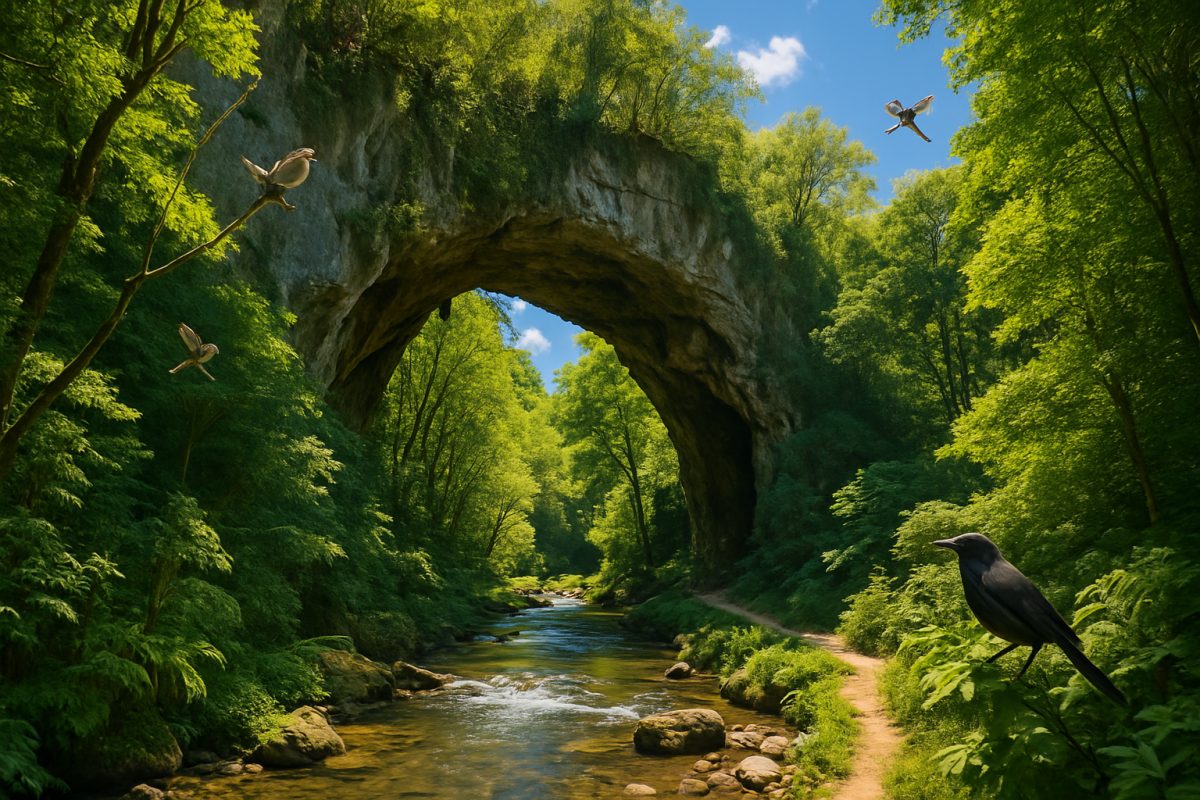
Nestled in the verdant heart of New Zealand’s North Island is the Mangapohue Natural Bridge, a stunning limestone arch that beckons travelers with its breathtaking allure and tranquil ambiance. This geological masterpiece draws adventurers and serenity-seekers alike, inviting them to explore its enchanting 17-meter high arches that form over the Mangapohue Stream, creating a spellbinding spectacle where nature and tranquility merge seamlessly. Popular with both tourists looking to capture the perfect photograph and those yearning for a peaceful escape into nature, the bridge’s ethereal charm offers something for everyone.
Mangapohue Natural Bridge in summer
Summer unfolds a vibrant scene at Mangapohue Natural Bridge, where the lush surrounding greenery is at its most vivid under the bright sunshine. During the months of December through February, visitors can bask in the warm temperatures that range from a comfortable 20 to 30 degrees Celsius, perfect for leisurely strolls along the short walking track that leads to the bridge. The air buzzes with the hum of cicadas and the flutter of native birds, creating an animated symphony of nature’s orchestra. The higher chance of clear skies makes it an idyllic time for photographers to capture the bridge illuminated by the sunlight filtering through the archways. However, summer’s appeal can often mean larger crowds, especially during school holidays, which may detract from the peaceful experience some travelers seek.
Mangapohue Natural Bridge in winter
Winter at Mangapohue Natural Bridge brings a different kind of beauty, enveloping the site in a serene and almost mystical atmosphere. From June through August, the temperatures drop to a range of 5 to 15 degrees Celsius, transforming the lush greenery into a subdued palette of earth tones that adds a dramatic flair to the site’s already captivating landscape. The cooler temperatures mean the area is less crowded, offering a more intimate and reflective experience for those who don’t mind bundling up a bit. The sound of the stream is more pronounced in the quiet, making it an ideal time for introspection or quiet moments with nature. However, the increased likelihood of rain and overcast skies means visitors should come prepared with waterproof gear to enjoy the trails without discomfort.
Mangapohue Natural Bridge in fall
The fall season, extending from March to May, paints Mangapohue Natural Bridge in hues of amber and gold, casting a warm and inviting glow on the limestone formations. This period offers a pleasant transition from the summer heat to the cooler days ahead, with temperatures hovering between 10 and 25 degrees Celsius. It is an excellent time for nature lovers and photographers looking to capture the autumnal beauty of the region. The trails are less populated than during the summer, affording a tranquil visit but not as quiet as winter’s solitude. Occasional showers bring a lushness to the landscape, enriching the tapestry of colors that can be seen throughout the trail but bringing mud to contend with for those not prepared.
Mangapohue Natural Bridge in spring
Spring at Mangapohue Natural Bridge is a time of rejuvenation, with nature awakening in a burst of color and life. From September to November, visitors are greeted with fresh green foliage and blossoming flowers that dot the trail, rejuvenating the landscape after winter’s muteness. Temperatures are comfortably mild, ranging from 10 to 20 degrees Celsius, making it an inviting climate for day hikers and nature enthusiasts. The vibrant natural scents and the flutter of native birds preparing for the summer make each visit feel fresh and new. However, spring showers can make for unpredictable weather, demanding flexible plans and reliable rain gear. Despite this, the renewing aspect of nature makes this season exceedingly charming to those who enjoy the dynamic progression of a landscape coming back to life.
So, what time is the best to visit Mangapohue Natural Bridge?
Choosing the best time to visit Mangapohue Natural Bridge largely depends on what you’d like to experience. For those wanting to capture the site under bright sunlight and lush greenery, the months of December, January, and February offer ideal conditions despite the potential for crowds. If solitude and a more intimate experience are what you seek, consider visiting in June, July, or August for that serene, winter-time reflection. For a vibrant and rejuvenating visit that combines favorable weather with breathtaking natural transitions, September, October, and November may be the perfect fit. Regardless of when you choose to visit, Mangapohue Natural Bridge promises an enchanting experience that leaves a lasting impression all year round.