What is the best time to visit Gisborne?
Nestled on the eastern coast of New Zealand’s North Island, Gisborne is a place where pristine beaches meet lush vineyards, crafting an idyllic setting that is equal parts scenic and serene. Known as the first city in the world to greet the sun each day, Gisborne radiates an authentic Kiwi charm, enriched with Maori culture and a laid-back atmosphere that invites visitors to unwind and explore. Its appeal is not just limited to its beautiful coastline; the warm community vibe and rich cultural tapestry add depth to this picturesque region, making it a destination of choice for travelers seeking both relaxation and adventure.
Gisborne in summer
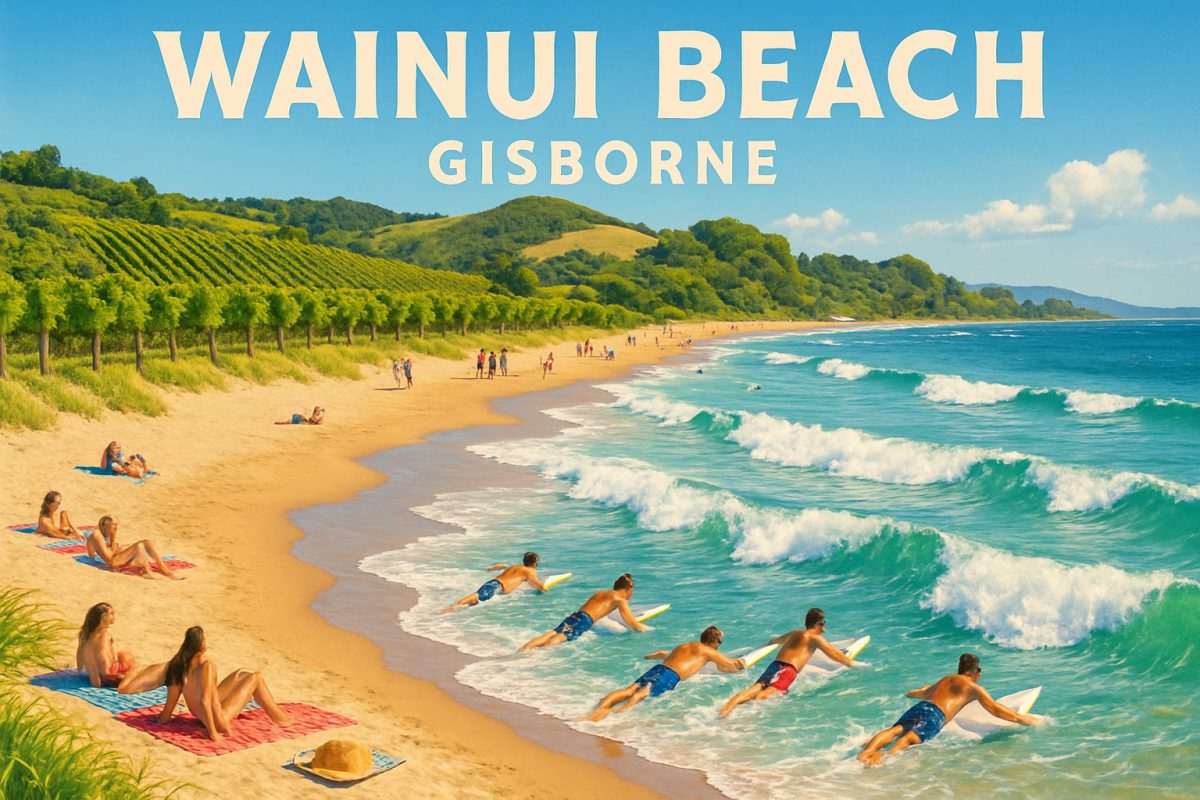
Summer in Gisborne, which spans from December to February, transforms the region into a vibrant hub of activity. The temperatures averaging between 20-30°C (68-86°F) create ideal conditions for enjoying the delightful beaches such as Wainui Beach, perfect for sunbathing and surfing. The East Coast vibe comes alive with summer festivals like Rhythm and Vines, attracting both locals and international visitors eager to celebrate the new year in style. Surfing enthusiasts flock to the area to ride the renowned waves, while others indulge in leisurely grape-tasting tours at the local vineyards, enjoying the region’s famed Chardonnay. The festive atmosphere and the abundance of sunlight enhance the allure of Gisborne during summer, though the popularity of this season means accommodations can book up quickly. Travelers seeking a lively and warm experience will find this the perfect time to visit.
Gisborne in winter
Winter in Gisborne, occurring from June to August, is a tranquil affair, with temperatures ranging from 8-15°C (46-59°F). This cooler, quieter season offers a different charm, where the landscape morphs into a peaceful retreat. While the beaches are less crowded, they become perfect for serene walks against the backdrop of crashing waves. Fishing and surfing continue to be popular winter activities as the waters remain accessible. For those interested in culture, Gisborne’s museums and art galleries provide enriching escapes from the chill, while the twice-weekly farmers’ markets offer fresh local produce and handmade crafts. Visitors during this time can enjoy the luxury of less crowded attractions and accommodations. However, for those who prefer beach sunbathing and surfing in warmer waters, summer or spring might be more appealing.
Gisborne in fall
The fall season, stretching from March to May, paints Gisborne in hues of golden leaves and robust vineyards, offering a mesmerizing backdrop for exploration. Temperatures ranging from 10-22°C (50-72°F) make it a mild and comfortable time to enjoy the outdoor beauty. Vineyards are particularly enticing in the fall, as the grape harvest is in full swing, offering visitors a unique opportunity to participate in wine-tasting experiences and vineyard tours. The fall also brings cultural events such as the Tairawhiti Festival, celebrating Maori culture with traditional music and performances. While the beaches are quieter and the surf less consistent than in summer, the seasonal change brings its charm, drawing those who seek a mix of gentle adventure and cultural experiences.
Gisborne in spring
Spring, from September to November, breathes new life into Gisborne as flowers bloom and the countryside awakens. The temperate climate, with averages between 15-22°C (59-72°F), is perfect for outdoor activities such as hiking and cycling through the lush landscapes of Eastwoodhill Arboretum and Rere Falls. Spring caters well to adventure enthusiasts, with increasing surf conditions and clearer waters inviting snorkelers to explore the marine life. Additionally, the spring wine festivals showcase the region’s vibrant viticulture scene as the vineyards prepare for the summer harvest. While the area is less crowded than in summer, the reemerging sunshine and flourishing nature make it an opportune time for both relaxation and exploration, merging the best of the temperate climate with fewer tourists.
So, what time is the best to visit Gisborne?
The best time to visit Gisborne largely depends on the traveler’s preferences. For those who revel in vibrant festivities and beach activities, December to February are prime months to experience Gisborne at its lively best. In contrast, if you prefer a quieter, more intimate exploration of this beautiful region, consider visiting between March and May, when the fall colors and cultural festivals offer a rich tapestry of experiences. For those looking for mild temperatures and blossoming nature, September to November present ideal conditions to enjoy a more tranquil yet blossom-filled Gisborne experience. Whatever your preference, Gisborne offers a spectrum of natural and cultural delights no matter the season.