What is the best time to visit Franz Josef Glacier?
Nestled amidst the temperate rainforests and rugged mountains of New Zealand’s West Coast, Franz Josef Glacier is a natural wonder that captivates travelers from around the globe. This spectacular glacier descends from the Southern Alps, making its way through dense native forests and creating an awe-inspiring juxtaposition of ice, stone, and greenery. Its accessibility and dramatic beauty draw outdoor enthusiasts, photographers, and thrill-seekers alike, eager to witness one of the Earth’s significant glacial landscapes up close. Known for its striking blue ice formations, Franz Josef offers a unique blend of adventure and tranquility, making it a must-visit destination for those exploring the beautiful and diverse landscape of New Zealand.
Franz Josef Glacier in summer
Visiting Franz Josef Glacier in the summer, from December to February, means basking in the warmth and vibrancy that the season brings. The weather tends to be mild and pleasant, with temperatures ranging from 50°F to 70°F, making it an ideal time for hiking and exploring the surrounding area. The longer daylight hours invite visitors to spend more time outdoors, whether it’s taking a guided glacier tour or enjoying the numerous walking tracks nearby. As the summer sun glistens over the ice, it creates a dazzling show of colors that makes every photograph postcard-perfect. However, the popularity of summer can also mean larger crowds, which may slightly diminish the serene experience that this natural wonder typically offers. While the good weather improves accessibility to the glacier, rain showers can still occur, serving as a gentle reminder of the region’s lush greenery.
Franz Josef Glacier in winter
Winter, from June to August, transforms Franz Josef Glacier into a serene, icy wonderland. With temperatures dipping to between 30°F and 50°F, it may be colder, but the landscape is breathtaking in its stillness and clarity. The glacier itself appears even more blue and magical, with frost-kissed edges enhancing its majesty. Lower visitor numbers make this an attractive season for those seeking a more peaceful and personal connection with nature. The crisp, clear air provides a perfect backdrop for photography, offering an opportunity to capture the enchanting play of winter light on the ice. However, the colder conditions can make walking a bit more challenging, and some trails might be less accessible. Despite this, the winter provides an undeniably mystical atmosphere, one that rewards with an experience unlike any other.
Franz Josef Glacier in fall
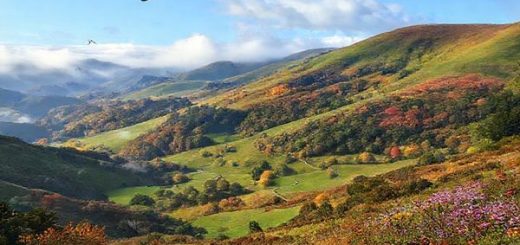
Autumn at Franz Josef Glacier, from March to May, brings a rich tapestry of colors as the surrounding foliage transforms into hues of gold, orange, and red. This season offers a fine balance between the pleasant weather of summer and the tranquillity of winter. Temperatures are moderate, typically ranging from 40°F to 60°F, which can be quite comfortable for outdoor activities. The autumn colors blend beautifully against the stark white of the glacier, creating a vibrant contrast that is nothing short of breathtaking. Crowds begin to thin, yet the services and tours operate in full swing, allowing visitors to enjoy a more exclusive experience. However, visitors should be prepared for changeable weather, including intermittent rain, which carries the invigorating scent of the forest and adds to the dramatic beauty of the setting.
Franz Josef Glacier in spring
Springtime, from September through November, revitalizes Franz Josef Glacier with budding foliage and blooming wildflowers, signaling a fresh awakening of the landscape. The moderate temperatures, typically ranging from 45°F to 65°F, are welcoming, allowing for comfortable exploration. As the snow begins to melt, the surrounding rivers and waterfalls surge with renewed vigor, adding a dynamic, auditory complement to the visual spectacle of the glacier. This is a fantastic period for nature lovers who enjoy witnessing ecosystems burst back to life. With the slightly warmer weather comes the return of guided tours, offering unique insights into the glacier’s springtime dynamics. However, melting can make some paths slippery or inaccessible, and visitors may need to be flexible with their plans.
So, what time is the best to visit Franz Josef Glacier?
The best time to visit Franz Josef Glacier largely depends on the kind of experience you’re looking for. For those who relish warm weather and extended daylight, December through February provides perfect summer conditions to fully engage with outdoor activities and enjoy the vibrant atmosphere. On the other hand, if you crave solitude and an opportunity to see the glacier in its majestic winter form, June to August could be your ideal time. Autumn, from March to May, offers a balance between manageable weather and reduced crowds with the added spectacle of fall colors. Finally, spring, from September to November, could be particularly appealing for those who want to see the landscape come alive with new growth. Each season holds its unique allure, and deciding which time to visit can be a delightful choice based on personal preference.