Vigilante Justice Examined: a feminist review of The Equalizer 3 (2023)
A Cinematic Canvas of Tension and Beauty
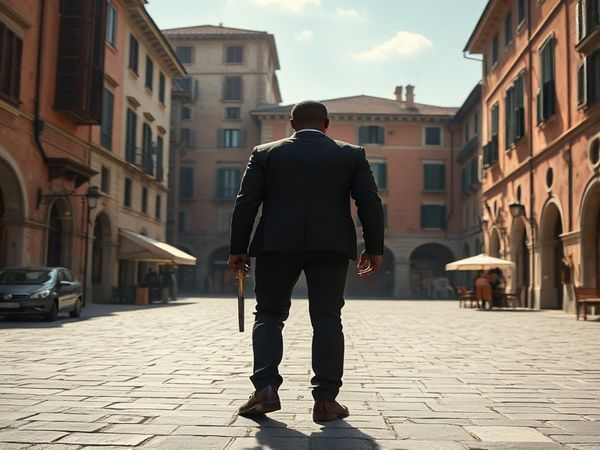
The Equalizer 3 (2023) is a masterclass in tension, mood, and the stark beauty of its Italian setting. From the sun-dappled town squares to the dimly-lit interiors that are as much a part of the film’s visual storytelling as the characters themselves, director Antoine Fuqua paints a canvas that is both inviting and isolating. The lush cinematography captivates, making each frame worthy of admiration. Yet, while one could easily get lost in this visual delight, the film’s treatment of its female characters beckons a more critical examination.
The film’s protagonist, Robert McCall, played with steely gravitas by Denzel Washington, continues his moral crusade against injustice. This time, in a picturesque Italian town under siege by local mafia thugs. As McCall metes out his brand of vigilante justice, it’s essential to examine how the narrative engages or neglects the agency of its female characters.
Women in the Shadows: A Feminist Examination
While The Equalizer 3 provides a gripping personal journey for McCall, it somewhat sidelines its female characters to the peripheries. The women in the narrative largely serve as motivations for male actions or as victims needing rescue. They are rarely agents of change, and their roles often embellish rather than substantively challenge the storyline. Emma Collins (Dakota Fanning), an FBI agent introduced as a potential ally, falls prey to a gendered narrative trap. Despite her authority, her presence is more a plot device to enhance McCall’s narrative rather than an equal stakeholder in the film’s justice-seeking mission.
The inter-gender communication is another area where the film falls short. Conversations between men abound in strategic bravado and purpose, driving the central action forward. In contrast, dialogues involving women lack that same sense of urgency and often circle around male actions or approvals. This imbalance not only diminishes female presence but also reinforces a narrative hierarchy that sidelines women from the epicenter of action.
Challenging and Reinforcing Gender Norms
On a deeper structural level, the film perpetuates traditional gender norms, painting women primarily in supportive or distressed roles. They are mothers, girlfriends, and innocents in need of McCall’s paternal protection. As a deeper ideological layer, the film seems to suggest that ultimate justice and resolution can only be enacted through a singular male vision – that of Robert McCall. This reiterates a classic trope, where female existence is contextualized through the lens of male heroism.
Yet, allowing space for hope, the film flirts with progressive subtleties. In the character of Emma, there’s an unspoken promise of a stronger, more autonomous narrative had the film dared to let her story unfurl with equal focus. There’s a latent strength in her character that subtly challenges the status quo, yet it remains an unfulfilled narrative promise. The movie tantalizes but ultimately pulls back from a full-blown gender subversion that could have enriched its storytelling.
Sound, Emotion, and Artistry: Beyond Gender
While the film navigates complex gender dynamics with mixed success, it’s hard to dismiss its impeccable use of sound and emotional craft. The tense, ethereal score by Harry Gregson-Williams amplifies not only the cinematic experience but also underscores the emotional weight each character carries. The film’s sound design is a marvel, blending ambient noise with a haunting score that elevates every moment of silence into a precursor of action.
On an emotional level, Denzel Washington delivers a nuanced performance, rich with internal conflict and remarkable vulnerability. It’s through his portrayal that we witness glimpses of a man wrestling with the violence he administers, offering a complex emotional landscape that is both rousing and troubling.
Conclusion: A Missed Opportunity Wrapped in Beauty
In conclusion, The Equalizer 3 is a stunning piece of cinema that offers both profound visual beauty and a complex narrative structure. However, its feminist promise largely remains unrealized. The film retains traditional gender roles as narrative cornerstones, missing the opportunity to delve deeper into the agency and voice of its female characters. Had it chosen to explore these uncharted waters, it might have transcended from a tale of singular vigilance to a broader commentary on shared justice and gender equality. As it stands, it is a film that is as much a celebration of cinematic artistry as it is a cautionary tale on the pitfalls of traditional narrative conventions. Yet, there’s a beauty in recognizing both its achievements and its omissions, making it a worthy watch for the critical viewer.