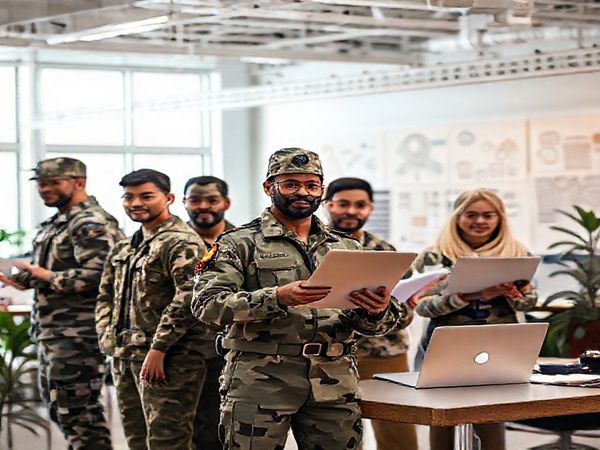
Exploring the Rise and Impact of Military Veteran Entrepreneurship in the U.S.
From Service to Startups: A New Frontier for Veterans
When Maria Tihic, Anthony Pritchard, and Alexander McKelvie set out to investigate the burgeoning field of military veteran entrepreneurship, they tuned into an ongoing national dialogue about veteran reintegration. Their research doesn’t just aim to spotlight veteran entrepreneurship; it seeks to understand how and why veterans turn from serving their country to launching businesses. This enquiry might reveal much about their new roles as creators and innovators, and what it takes to truly support them.
Decoding the Challenges
Veterans transitioning to civilian life face a unique set of challenges. These may include the search for a new sense of purpose, difficulties adjusting to civilian work culture, and even geographical relocation. The researchers wondered if entrepreneurship could be a natural path for veterans looking to deploy their skills post-service. The stakes are high because veterans bring distinctive perspectives and experiences, honed by their time in the military, which could drive innovation in business.
Using data from the National Survey of Military-Affiliated Entrepreneurs, involving over two thousand veterans, the study explores how military backgrounds uniquely shape entrepreneurship experiences. This isn’t just a numbers game. It’s about exploring how veterans navigate their way through the landscape of business ownership, tackling obstacles that only those who have served in the armed forces might encounter.
Mixed Results with Real Impact
Tihic and colleagues employed an outcome-based model to assess the effectiveness of the emerging Veteran Entrepreneurship Industry (VEI) as well as the broader Entrepreneurship Industry (EI). Their findings are nuanced and somewhat surprising. The results revealed that VEI and EI have a mixed impact on key outcomes like a sense of belonging, purpose, ease of transition, and development of social capital.
Why should this matter to us? Their discoveries whisper of the complexity of veteran experiences and urge a need for tailored policies. The research implies that one-size-fits-all solutions are insufficient to address the diverse needs of military-affiliated entrepreneurs. In some areas, the VEI offers crucial support, yet it also stumbles in fully addressing the multifaceted nature of veterans’ experiences.
Beyond Business — A Broader Cultural Shift
This research is a part of a larger conversation regarding the role of veterans in society. It shines a light on how we might need to rethink the pathways available for veterans. Do we understand the depth of their skills and how they might translate into civilian life?
The study also delves into cultural and social support theories, proposing that successful reintegration into civilian society might not be purely economic. The intrinsic rewards of business-ownership, such as renewed purpose and social networks, perhaps speak volumes. As many veterans testify, the community they find through entrepreneurship may fill a gap left after military service, building bridges back into society.
Reimagining Policies for Future Success
If you’re wondering what the next steps may look like, the authors are clear on one point: policy-makers must listen closely to these findings. By acknowledging the nuanced realities of veteran entrepreneurship, efforts can be more finely targeted, ensuring that the support systems designed for these individuals genuinely align with their lived experiences.
There’s a moral and social responsibility to understand the veteran journey deeply, crafting strategies that respect their past while offering a solid framework for their future. As the researchers advocate, bridging the gap between military service and civilian entrepreneurship could be pivotal in crafting robust, long-term veterans’ initiatives.
In shining a light on the treacherous yet promising path many veterans walk, Tihic and her colleagues offer valuable insights. Their work suggests that more thoughtful engagement and additional inquiry are not just desirable, but necessary, to truly empower veteran entrepreneurs. By appreciating the intricate dance between individual needs and systemic support, we may better foster an environment where veterans don’t just survive, but thrive in their new vocational roles.
Reference
Tihic, M., Pritchard, A., & McKelvie, A. (2025). The emergence and impact of the military veteran entrepreneurship industry. Small Business Economics, 1-15.