Maternal Shadows Unveiled: a feminist review of Beau Is Afraid (2023)
A Cinematic Labyrinth of Maternal Influence
Ari Aster’s “Beau Is Afraid” (2023) emerges as a surreal exploration of the oedipal anxieties placed upon the eponymous character, Beau, a man entangled in the idiosyncrasies of maternal shadows. Aster crafts a film that is both a visual opus and a psychological puzzle, weaving intricate cinematic details within a narrative frame that wavers between dark comedy and chilling horror. The construction and pacing of the film echo the chaos present in Beau’s turbulent psyche, illustrating the entrapment of a son overshadowed by the specter of an overwhelming maternal figure.
From the opening scene, the oppressive atmosphere is palpable, rooting itself in both the physical and metaphorical spaces that Beau inhabits. Aster’s deft use of mise-en-scène amplifies the claustrophobia of these locations, complemented by Pavel Pogorzelski’s cinematography which bathes the narrative in a perpetually gloomy palette, subtly echoing the emotional desolation embedded in the story.
The Matriarchal Enigma: A Feminist Critique
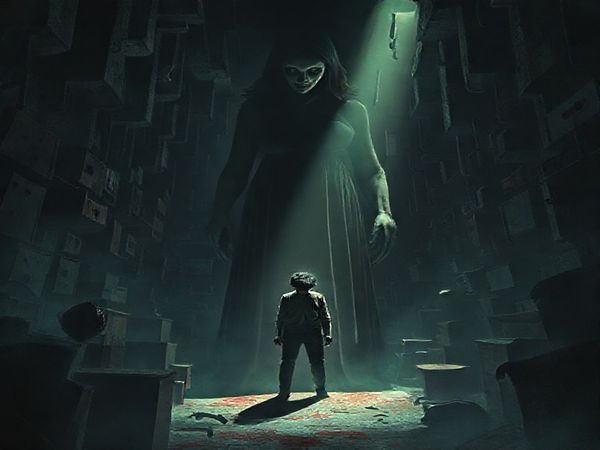
While “Beau Is Afraid” boldly delves into the complex terrain of maternal influence, it often sways towards the archetypal depiction of the domineering mother – a narrative choice ripe for feminist scrutiny. The film’s portrayal of Beau’s mother, portrayed with captivating intensity by Patti LuPone, encapsulates an enduring trope in storytelling that limits female characters to emotionally manipulative figures who wield power through guilt and overprotection. While LuPone’s performance is undeniably mesmerizing, the script establishes her not as a multidimensional character but rather as an oppressive force, inhibiting Beau’s development.
Within this framework, male characters are afforded a narrative evolution that their female counterparts rarely share. Women are peripheral or instrumental to Beau’s internal journey rather than architects of their own stories. The absence of authentic female camaraderie or dialogue that exists independently of Beau is glaring. When two women do interact, their conversations are infused with the omnipresent theme of Beau’s anxieties, thus failing the Bechdel test in spirit and practice.
Unpacking Ambition and Social Expectations
Navigating the nuanced pressures of familial expectations and personal ambition, “Beau Is Afraid” raises critical questions about the societal constructions of masculinity. Beau, despite his adult facade, embodies the reticence of a scared child, unable to escape the demands imposed by maternal and societal expectations. The film poignantly critiques the expectation of perpetual obligation that binds Beau to his mother, mirroring broader socio-cultural narratives that elevate guilt as a tool for compliance.
Yet, the film falters in translating these critical examinations into actions that empower female characters. While it critiques masculinity’s fraught archetypes, it leaves female narratives lingering in the shadows of their male counterparts, reinforcing rather than subverting traditional gender roles. Ambition is clouded by maternal figures defined more by their impact on Beau’s stagnation than their own narrative desires.
Craftsmanship and Emotional Depth
Aster’s command over the film’s tone, transitioning seamlessly from absurdity to introspection, is matched by a score from Bobby Krlic that intensifies each emotional beat and narrative twist. Additionally, Joaquin Phoenix’s portrayal of Beau as he teeters on the precipice of a mental breakdown is both unsettling and deeply resonant. Phoenix imbues Beau with a vulnerability that transcends the character’s psychological labyrinth, making the viewer a complicit observer in his anxieties.
The set design, brimming with Freudian and yet fantastical world-building, mirrors the inner turmoil Beau endures, serving as an extension of his subconscious. Each room, street, and encounter is laced with symbolism, alluding to his inescapable fears. The film uses these elements to evoke empathy for Beau, but it does so at the expense of equally affording agency and complexity to other characters, particularly those whose arcs could transcend being mere reflections of Beau’s neuroses.
Conclusion: Aesthetic Brilliance Meets Narrative Limitations
“Beau Is Afraid” stands as a testament to Ari Aster’s prowess in transforming psychological narrative into a visual and emotional odyssey. The film’s artistic components are nothing short of remarkable, achieving a haunting synergy between visuals, sound, and performance. However, through a feminist lens, it also reflects a narrative restrained by its adherence to conventional portrayals of female characters. As a viewer enraptured by its cinematic beauty, one is left both in awe and in question of the deeper ideological currents that shape the film. Ultimately, while Aster spins a gripping tale of maternal entrapment, the thematic richness prompts a desire for a more nuanced and equitable exploration of gender dynamics, which could elevate “Beau Is Afraid” from a captivating narrative to a truly revolutionary work of art.