What is the best time to visit Craters of the Moon?
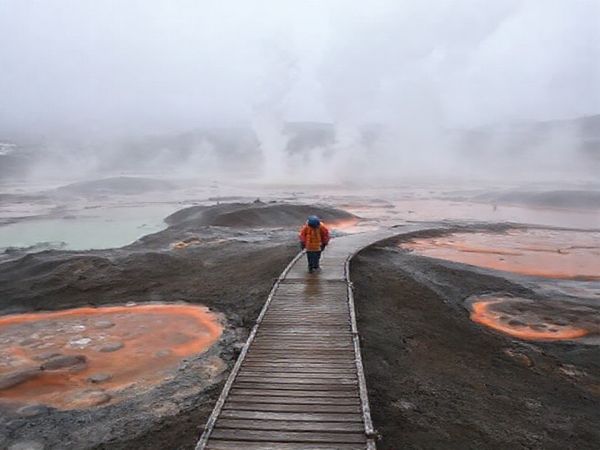
Located in the heart of New Zealand’s captivating geothermal region, Craters of the Moon is a truly otherworldly landscape that beguiles and astonishes visitors with its unique charm. This striking geothermal field, with its hissing vents, bubbling mud pools, and steaming craters, offers a fascinating glimpse into the powerful forces shaping our planet. Whether adventurers are seeking an educational experience, a natural wonder to photograph, or simply a serene place to walk amidst nature’s spectacle, Craters of the Moon promises a magnetic draw year-round.
Craters of the Moon in summer
In the warmer months of December through February, the Craters of the Moon transform into a vibrant, bustling destination. The summer sun casts a bright glare on the steaming vapors rising from the earth, creating an ethereal atmosphere that stands in stark contrast to the lush, green vegetation surrounding the crater’s unpredictable terrain. This is the perfect season for those who enjoy long, leisurely walks amid nature’s artwork, as the longer daylight hours provide ample time to explore this geothermal gem at a relaxed pace. For photographers, the play of light and shadow adds depth and texture to photos, making it an inspiring time to capture nature’s grandeur. However, the popularity of the spot during summer means it can get crowded, so for those seeking solitude, early morning visits are advisable to experience the tranquil beauty before the hustle of the day begins.
Craters of the Moon in winter
Wintertime, spanning June to August, cloaks Craters of the Moon in a mystical shroud. The chilly air accentuates the steam’s appearance, creating dramatic scenes as it contrasts against the crisp, cool backdrop. Walking the boardwalks during winter feels like traversing another planet, with geothermal mists swirling mysteriously around each visitor. Though the air is colder, the experience can be quite comfortable if one bundles up appropriately. The winter months see fewer visitors, offering a more intimate and reflective exploration of the craters. A downside, however, is the potential for cooler temperatures to limit the duration of outdoor activities for some. Nonetheless, winter’s distinctive beauty draws in those willing to brave the cold for a chance to witness the loan realm.
Craters of the Moon in fall
Autumn, from March to May, brings with it a tapestry of color, as the surrounding foliage transitions to burnt oranges and reds. During these months, the craters’ natural beauty harmonizes with nature’s changing palette, providing a stunning backdrop for leisurely exploration. The cooler temperatures make hiking pleasant without the intensity of summer’s heat, and the location becomes a haven for those looking to escape the bustling summer crowds. Fall presents the ideal compromise – the landscape is rich with vibrant color, and temperatures are moderate. Fewer visitors during this time mean more opportunities to linger at viewpoints or absorb the surroundings in peaceful contemplation. However, nature enthusiasts should be prepared for occasional rain showers, which can add a layer of mystique to the experience or briefly dampen plans.
Craters of the Moon in spring
As the land awakens from winter, springtime at Craters of the Moon, from September to November, offers a delightful transition, with fresh growth peeking through the geothermal mist. This season is particularly appealing for those interested in botany or ecology, as plant life responds to warming temperatures, making it a fantastic time for nature walks. Spring embodies rejuvenation, and as the earth renews itself, visitors are treated to vibrant bursts of new life amid the inspiring terrain of craters and geysers. The moderate climate of spring encourages longer days of exploration and less frequent occurrence of rain than autumn, providing a comfortable window to visit. However, as one of the shoulder seasons, travelers may still encounter unstable weather patterns, so it’s wise to prepare accordingly.
So, what time is the best to visit Craters of the Moon?
Ultimately, the best time to visit Craters of the Moon depends on your personal preferences. For those who enjoy warm weather and don’t mind sharing the experience with others, December to February offers a lively atmosphere with stunning photography opportunities. If tranquility and intimate exploration resonate more with you, consider visiting during the quieter April or May. The deep colors of fall, combined with milder weather, make this an appealing time. For visitors enthralled by vivid flora and the budding promise of new growth, October and November extend a vibrant welcome. Each month offers its own unique charm, so whether you’re drawn to solitude, botanical wonders, or cultural rhythms, Craters of the Moon will not disappoint.