What is the best time to visit Whangamatā?
Nestled on the picturesque eastern coast of New Zealand’s North Island, Whangamatā is a serene seaside town that captures the essence of sun-drenched holidays. Renowned for its pristine beaches, lush native forests, and a laid-back atmosphere, it entices travelers seeking both relaxation and adventure. Whether you’re drawn by the surf-able waves, the friendly local vibe, or the stunning landscapes that surround it, Whangamatā offers a natural playground for those looking to escape the hustle and bustle of urban life. The town has long been a favorite for kiwis during the holiday season, but it holds its own charm year-round for international visitors.
Whangamatā in summer
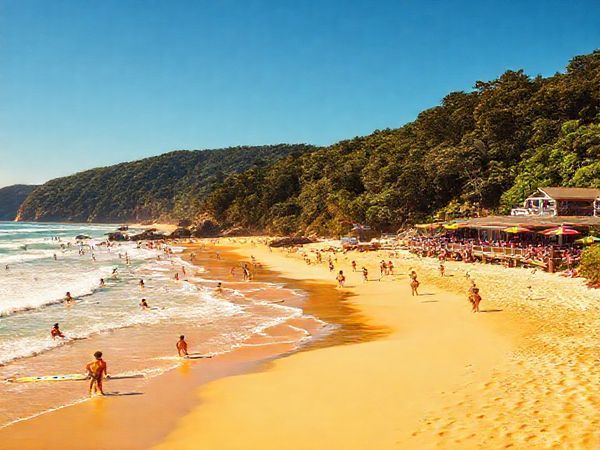
Visiting Whangamatā in summer is like stepping into a postcard. From December to February, the town buzzes with the vibrant energy of holidaymakers. Days are typically warm, with temperatures ranging from the mid-20s to low 30s in degrees Celsius, perfect for beach activities. The main beach, famous for its golden sands and rolling surf, becomes a hub of activity. Surfing competitions are often held here, drawing both participants and spectators eager to catch the action.
Aside from surfing, swimming and sunbathing are quintessential, along with exploring the nearby offshore islands by kayak or paddleboard. Beachside cafes and local markets add to the lively atmosphere. The influx of tourists, however, can drive up accommodation prices and make popular spots crowded, which is something to consider if tranquility is a priority. For those who thrive in sociable environments and love festive beach scenery, summer is ideal.
Whangamatā in winter
Winter in Whangamatā, spanning from June to August, offers a completely different experience. The town quiets down, with many visitors retreating to warmer locales. This decrease in tourist traffic unveils a more tranquil and intimate side of Whangamatā. Temperatures drop to a cooler range, typically between 10 and 15 degrees Celsius, inviting crisp, clear days that are ideal for exploring the trails of Whangamatā Forest or Wentworth Valley.
Hiking becomes a primary attraction, where the tracks lead to waterfalls and stunning vistas untouched by the crowds of summer. Winter may see some of the local cafes and shops reducing their hours, but those that remain open often offer a cozy retreat with warm beverages and hearty meals. Whale Bay and other lookout points provide dramatic views, and for those who appreciate nature without the heat, winter proves to be a rewarding time to visit. However, swimming and water sports are less appealing during these cooler months.
Whangamatā in fall
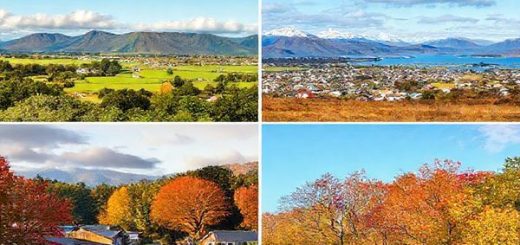
Autumn, from March to May, witnesses a gradual shift in Whangamatā’s ambiance. The fervor of summer starts to fade, replaced by a calming charm. The weather is still pleasantly warm, especially in March, making it perfect for enjoying the quieter beaches and the gentle swells of the ocean. The autumn months paint the town in hues of amber and gold, enhancing the beauty of bushwalks and outdoor photography.
Fishing enthusiasts find this season ideal, with fewer crowds and abundant catches. The local community hosts various events and festivals celebrating the harvest season, adding a cultural dimension to the visit. Affordable accommodation and less crowded attractions make it a favorite for travelers savvy to get the best of both worlds – good weather and peace. However, by May, the weather begins to cool significantly, so carrying warmer gear is advisable.
Whangamatā in spring
Springtime in Whangamatā, from September to November, awakens with fresh vibrancy and renewal. The gradual warming weather signals the start of blossoms and new growth throughout the town’s gardens and parks. For tourists seeking an early glimpse of summer without the mid-season crowds, spring is ideal. The town begins to gear up in anticipation for the holiday season with local businesses opening up and attractions becoming more accessible.
Activities such as hiking and exploring nearby natural reserves benefit from the mild temperatures that usually sit comfortably in the high teens and low 20s. Surf conditions start to pick up, making it a great time for both new and experienced surfers. The renewal of the natural world brings with it a sense of optimism that’s palpable in the air. Although some facilities might still operate on reduced hours early in spring, by November, Whangamatā is bustling again.
So, what time is the best to visit Whangamatā?
Determining the best time to visit Whangamatā heavily depends on personal preference. For those keen on lively beach scenes, surf competitions, and warm weather, December through February offers the quintessential summer experience. If you seek quietude and more temperate outdoor activities like hiking, consider visiting during the fall months of March to early May or the later part of October, allowing for pleasant exploration without the congestion of high summer. Springtime in November is perfect for those who want a bit of everything – warmth, fewer crowds, and the blooming beauty of nature, setting the perfect precursor to the bustling summer months. Ultimately, Whangamatā’s year-round appeal ensures that whenever you choose to visit, the heart of this seaside gem always has something unique to offer.