What is the best time to visit Whangārei District?
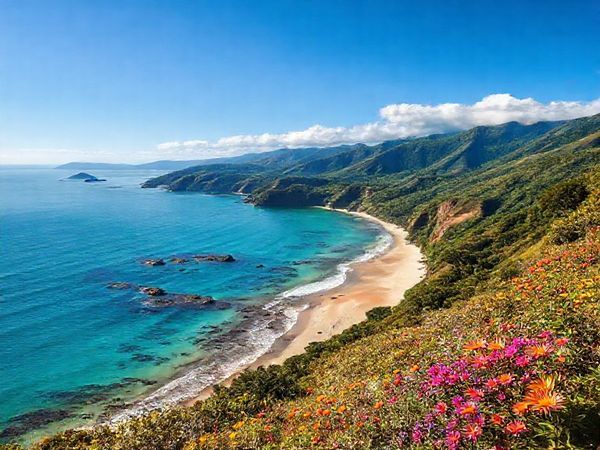
Nestled in the north of New Zealand’s North Island, the Whangārei District is a sun-drenched gem known for its stunning natural beauty and warm hospitality. This delightful district offers a myriad of experiences from its picturesque harbors and lush hinterlands to vibrant art galleries and bustling local markets. As the gateway to the subtropical north, Whangārei is renowned for its breathtaking landscapes, including sandy beaches, hidden bays, and striking volcanic landscapes, making it a haven for outdoor enthusiasts and nature lovers alike.
Whangārei District in summer
Summer in the Whangārei District, from December to February, is a vibrant season characterized by long, sunlit days and pleasantly warm temperatures, often reaching up to 25°C (77°F). This is arguably the best time to explore the endless stretches of pristine beaches such as Ocean Beach and Ruakākā Beach, which are perfect for swimming, sunbathing, and surfing. The waters are invitingly clear and warm, ideal for diving and snorkeling at the Poor Knights Islands, a world-renowned underwater reserve. The lush trails of Whangārei Falls or Mount Manaia offer rewarding hikes with splendid vistas, beckoning those seeking nature immersion.
Tourists flock to the district during this high season, drawn by its dynamic nightlife and a rich tapestry of outdoor activities. Festivals and local events frequent the calendar, offering a chance to engage with vibrant Maori culture. The downside is that summer is typically the busiest and most expensive time to visit, with popular spots often bustling with visitors.
Whangārei District in winter
In stark contrast, winter from June to August brings cooler temperatures, averaging around 15°C (59°F), but the district retains its charm with a more tranquil atmosphere. This season is excellent for those who prefer milder climates and fewer crowds, allowing for a more intimate experience with nature and local culture. It’s the perfect time to indulge in leisurely visits to the Whangārei Art Museum or the Quarry Gardens, where the winter blooming flora provides a stunning and serene landscape.
Winter provides a unique opportunity to explore the hinterlands, with its rolling hills and lush forests offering solitude for hikers and cyclists. Although water activities are less popular due to cooler sea temperatures, the striking coastal scenery is still accessible and worthy of exploration. While some travelers may find the colder temperatures a deterrent, the lower prices and peaceful environment compensate well.
Whangārei District in fall
As the warmth of summer fades, fall in the Whangārei District, from March to May, offers a delightful shoulder season with moderate temperatures hovering around 18°C to 22°C (64°F to 72°F). This transition period bathes the district in a golden ambiance, accentuated by autumnal hues in parks and gardens.
This is a prime time for those who enjoy the outdoors but prefer to avoid peak crowds. Hiking trails, such as those leading to the spectacular Whangārei Heads, are less traversed, offering splendid solitude amidst stunning landscapes. The whale and dolphin watching tours during this period can be especially rewarding, as marine life tends to be more active. Additionally, local farmers’ markets brim with seasonal produce, providing a taste of the region’s bounty.
Travelers might encounter occasional rains, but these are generally short-lived, presenting the opportunity to cozy up in one of the district’s charming cafes or wineries.
Whangārei District in spring
Spring, spanning September to November, heralds warmer weather, with temperatures climbing steadily towards summer warmth. This rejuvenating season sees nature reborn with vibrant flowers and bustling wildlife, making it an opportune moment to explore the region’s natural parks and waterfalls. Whangārei Falls, in particular, is breathtaking as spring rains rejuvenate the cascades, creating a powerful and mesmerizing display.
Tourists can enjoy quieter beaches and watch as the local flora flourishes. Bird enthusiasts will delight in the increasing activity of native birdlife, such as the tūī and kiwi, especially in the Mair Park and Glenbervie area. While spring showers are a possibility, they often give way to clear blue skies, perfect for outdoor adventures or a visit to the Tutukaka Coast.
So, what time is the best to visit Whangārei District?
When determining the best time to embark on a journey to the Whangārei District, it ultimately hinges on personal preferences. For those eager to bask in the full glory of beach life and vibrant outdoor festivals, the prime months are from December to February. These summer months guarantee lively activities and warm weather.
On the other hand, if you’re seeking a quieter, more contemplative experience combined with the allure of pleasant weather and stunning autumn foliage, visiting during March to May offers an excellent option. It’s a splendid time to enjoy mild temperatures and engage in more relaxed exploration.
For a balance between lively and tranquil, or if you prefer witnessing the rebirth of nature, September to November during spring might just offer the perfect blend of pleasant weather and blooming beauty. Thus, whether you crave the sun-dappled beaches of summer or the serene retreats of winter or spring, Whangārei District has something enchanting to offer in every season.