What is the best time to visit Ninety Mile Beach?
Ninety Mile Beach stretches majestically along the northwestern coast of New Zealand’s North Island, tantalizing travelers with its seemingly endless sandy shoreline. Often hailed as one of New Zealand’s most stunning natural wonders, this iconic beach defies its misleading name with a length of about 55 miles. The expansive beach serves as both a road for vehicles and playground for adventurers, enveloped by breath-taking ocean views and storied cultural history. Renowned for its sweeping coastal landscape, the beach is as much a sanctuary for solitude-seekers as it is a hub of excitement for those eager to indulge in its offerings.
Ninety Mile Beach in summer
Summertime in Ninety Mile Beach, from December to February, invites visitors to bask in the warmth of the Southern Hemisphere. This season sees the beach come alive with vibrant activity as locals and tourists alike soak up the sun along the golden sands. Surfing enthusiasts are drawn to the Pacific rollers, taking advantage of the swells and warm water temperatures, perfect for both novice and seasoned surfers. Additionally, the broad, flat sands create an ideal playground for fun beach sports and jogs along the shore.
For those looking to explore beyond the waves, summer offers favorable conditions for sandboarding on the towering Te Paki Sand Dunes at the northern end of the beach. Here, visitors can experience the thrill of sliding down the steeps. This season is also prime time for fishing along the shore. One of the great joys is savoring freshly caught snapper or trevally, patiently angled from the surf. However, it’s also the peak tourist season, bringing with it larger crowds and higher accommodation rates. Nevertheless, the lively atmosphere makes summer a delightful time to join in the rhythm of Ninety Mile Beach’s bustling scene.
Ninety Mile Beach in winter
When winter descends from June to August, you might expect Ninety Mile Beach to grow quiet, but this is not quite the case. The beach turns into a serene escape, draped in a contrastingly stark, wild beauty. While the southern hemisphere winter brings cooler temperatures, they remain mild compared to other parts of the world, making outdoor excursions still very much enjoyable. Hiking along the rugged trails presents an invigorating experience as the scenery comes into sharp focus, wrapped in a more subdued color palette.
This season provides a unique opportunity for those interested in spotting migrating whales off the coast, which is a thrilling advantage to visiting during these months. The cooler, temperate days also invite more introspective beach if walks as the waves crash rhythmically against an often near-empty shore, making winter an excellent time for quiet contemplation. Although the chill might not allow for typical beach activities like swimming, the tranquility and majestic coastal views offer a different kind of allure that is well suited for those seeking peace over activity.
Ninety Mile Beach in fall
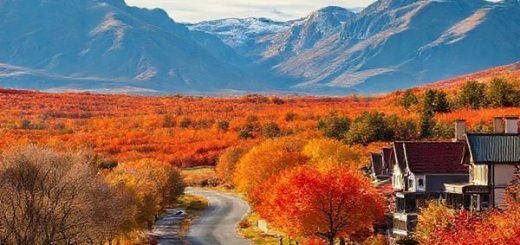
Come fall, which stretches from March to May, Ninety Mile Beach mellows out after the busy summer, offering ideal conditions for visitors looking to bypass the intense summer heat and bustling crowds. The autumn climate provides pleasant temperatures perfect for long scenic drives on the sand, where travelers can truly appreciate the coastline’s vast openness. Fall presents a unique tapestry of colors as the surrounding landscapes softly transition, adding a photogenic charm to the vistas.
The entire region becomes a haven for birdwatchers, with migratory species stopping by the estuaries and lagoons. Fall also delivers consistent surf with smaller crowds, enticing surfers who prefer a quieter visit. Fishing continues to be rewarding, with a good catch and fewer lines in the water, and the seasonal produce in nearby towns complements the mild weather with local culinary experiences. The ebb of visitor numbers in fall makes the atmosphere intimate and welcoming, offering a slice of paradise overrun by solitude.
Ninety Mile Beach in spring
Spring, from September to November, casts a refreshing sheen over Ninety Mile Beach as nature awakens from winter. The gradual increase in temperature brings exhilaration as wildflowers begin to bloom, painting the nearby dunes and hills. This season is adorned with a lively buzz as flora and fauna rejuvenate, providing a promising backdrop for coastal walks.
With comfortable temperatures, visitors can enjoy the beach without the overwhelm of summer heat or winter’s chill. Spring is a perfect time for experiences such as horseback riding along the shore, a romantic and memorable way to admire the ocean scenery. The waters start to warm again, inviting water activities back into the itinerary. Although the weather can be unpredictable with occasional showers, the renewal of life during spring, accompanied by fewer tourists, offers a mix of serene yet vibrant experiences.
So, what time is the best to visit Ninety Mile Beach?
Choosing the perfect time to visit Ninety Mile Beach depends largely on your personal preferences and desired activities. For those looking to engage in water sports, sunbathe, and experience the beach’s full-fledged summer revelry, December to February is the prime time. If you’re drawn to solitude or the intriguing aspect of whale migration, opt for the cooler months of June through August, where you can enjoy intimate encounters with nature.
For a balance of mild weather and fewer crowds, consider visiting during the transitional months of March to May when fall’s charm still offers plenty of activities with greater tranquillity. Alternatively, September to November offers the best of both worlds with comfortable weather, and vibrant natural beauty as spring breathes life back into the region. Thus, whichever season you choose, Ninety Mile Beach promises a remarkable and memorable experience.