How the 1960s Imagined the Future of Dating, and the Unexpected Story Reality Ended Up Telling
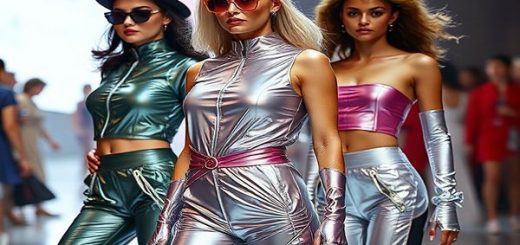
Imagine yourself stepping into the 1960s – an era buzzing with hope, rebellion, and dreams of a dazzling future. It’s the decade of moon landings and music revolutions, where technology is on the brink of transforming lives forever, or so everyone believes. In this heady atmosphere, thoughts inevitably turn to the institution of dating. With shifting social norms and emerging technologies, there’s a palpable anticipation of how romance might change. It’s a time both rooted in tradition and reaching ambitiously for what lies ahead.
The 1960s Vision – Love in a Moonage Daydream
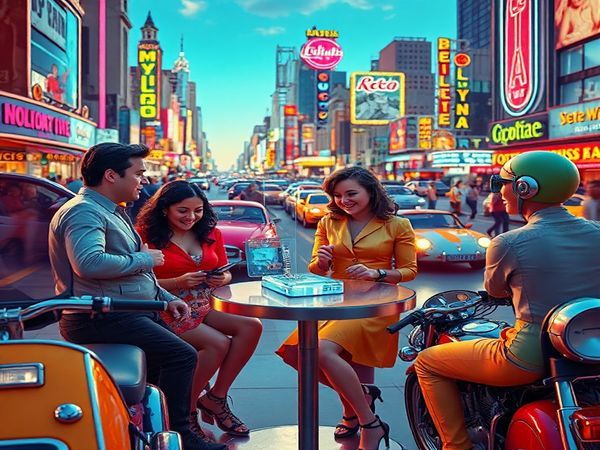
Picture a world wherein optimism wrapped around every detail of daily life. The 1960s were radiant with the glow of new possibilities. As people looked to the skies with thoughts of space travel and the future, they also wondered how the technological advances could affect something as personal and timeless as dating. Courtship was already evolving with the arrival of automobiles and telephones, but what came next?
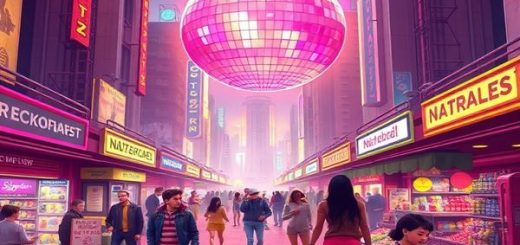
Futurists speculated wildly. Some believed that by the year 2000, we’d be dating our own tailored electronic matches – machines equipped to learn our preferences, perhaps embodied by robots that mirrored our ideal partners. The prospect of punch-card compatibility became tangible too, a precursor to what we now know as algorithm-targeted dating. Magazines mused over computer computers fed details about people’s preferences and matching potential partners. These ideas seemed fantastical, yet they were rooted in a burgeoning understanding of data and burgeoning technological capabilities.
Popular culture of the 1960s didn’t shy away from such speculations either. Movies like “2001: A Space Odyssey” hinted at a future where human-robot interactions were commonplace. While the focus wasn’t directly on dating, it suggested an intertwining of human experience and technology that easily translated to the romantic scene in the public imagination. Television, too, played a role. Shows like “The Jetsons” offered a breezy vision of the future where technology facilitated easier connections, even if portrayed humorously.
Meanwhile, down on Earth, the social upheavals of the 60s redefined romance through movements advocating for civil rights and gender equality. Women were entering the workforce in unprecedented numbers, and gender roles were shifting, impacting how relationships were formed and maintained. There was a growing embrace of love marrying companionship with independence. Amid all this, people began contemplating how wildly different relationships might look in a few decades, yet often through the lens of the present.
Ordinary people talked about these possibilities, often half-jokingly, around dinner tables, imagining a world where computers might handle matchmaking, freeing them from the socially awkward dance of traditional dating. What seemed playful was underscored by real curiosity: could machines negotiate the nuances of human connection?
What Actually Happened – Beyond Cards and Machines
As we fast forward from the dreams of the 1960s to our present reality, the landscape of dating has taken remarkable turns, some predicted and others entirely unforeseen. In the ensuing decades, computer-mediated connections transformed from speculative chatter into the fabric of everyday life.
In the mid-90s, when the internet began its meteoric rise, dating took another leap forward. Early adopters logged onto nascent dating websites that seemed to make good on the 60s’ punch-card predictions, now in digital form. Matching algorithms grew sophisticated, evolving into what we experience today as a plethora of apps designed to help us find love, friendship, or anything in between.
However, one thing 1960s futurists didn’t fully anticipate was the sheer social dynamics of this new digital realm. While computers could match data points, they couldn’t predict the complexity of human emotions and the unpredictability of chemistry. Dating apps such as Tinder emphasized fast decision-making based on superficial qualities, and this formed an experience quite different than the envisioned personalized, perfect matches of old.
The fusion of technology with dating hasn’t been linear. There were detours that few could’ve foreseen. Surveillance capitalism feeds algorithms that claim to know us better than we know ourselves, changing not just how we find partners, but how people think about identity and relationships. While technology facilitates connection across distance and diverse communities, it also presents challenges in sincerity, security, and privacy.
Yet, it’s not entirely divorced from the dreams of the 60s. The longing for tailored compatibility sees fruition today as apps constantly refine methods of predicting matches based on complex data analytics. The human touch remains – no singular algorithm has yet cracked the code of spontaneous chemistry – but the convenience, speed, and breadth of potential partners available today might have seemed like science fiction fifty years ago.
Lessons in Looking Ahead
Reflecting on the journey from hopeful predictions to today’s reality illuminates some fascinating truths about human nature. Our visions of the future often carry the imprints of our current desires and anxieties, as shown by the 1960s dream blend of technology with personal lives.
Despite technological advancements, the nature of dating remains intrinsically human, reminding us that while we can design tools to refine the search for connection, the experience itself carries an emotional depth and unpredictability beyond programming. The human face of dating—empathy, humor, spontaneity—resists automation even now.
Moreover, contemplating how we imagined dating would evolve reveals a broader truth about human aspiration: we are drawn simultaneously to the familiar comforts and the alluring promise of change. The way we date continues to balance these forces, integrating tradition with innovation, echoing patterns seen across cultures historically.
Ultimately, while the 1960s imagined a world of perfect technological harmony, where machines might take the guesswork out of love, the reality of modern dating has shown that the essence of human connection – with all its messiness – can’t fully be digitized. It’s a reminder of the constant interplay between our aspirations and reality, revealing how much remains unchanged at the core of human relationships.
In stepping back to look at how we envisioned the future then and experience it now, we uncover a story not just about dating but about our ongoing adventure in understanding and connecting as humans. As much as we transform the world and ourselves, at the heart of it remains the age-old quest for connection, vibrant and ever-changing.