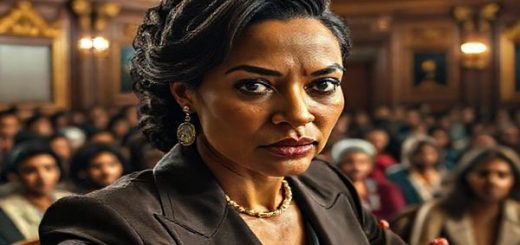
Subverting Stereotypes: a feminist review of The Thursday Murder Club (2025)
The Thursday Murder Club: Subverting Stereotypes
The 2025 film The Thursday Murder Club, directed by the visionary Eliza Turner, emerges as a triumph of engaging storytelling and subversive feminism. Based on Richard Osman’s best-selling novel, the film draws audiences into a quaint English retirement village where a group of senior sleuths unearths more than clues – they reveal their own agency, dynamic relationships, and reflective social commentary.
Character Dynamics: Beyond the Golden Years
In a mainstream cinema landscape that often relegates older women to the sidelines or stereotypes, The Thursday Murder Club rather astutely elevates its ensemble cast, with its female characters never once straying into territory that would render them decorative or one-dimensional. Each character, such as the indomitable Elizabeth and intuitive Joyce, communicates with eloquence and conviction, defying the patriarchal notion that wisdom diminishes with age, particularly for women.
Interestingly, while driven by a mystery, the film is inherently about communication – the quiet, potent kind that bridges generational rivalries and reinforces solidarity over solitude. Ample screen time is devoted to dialogues between Elizabeth and Joyce that pass the Bechdel test with ease, with conversations about their aspirations and reflections on a society that often sidelines women post-retirement age. Their exchanges are not only witty but drive the film’s plot, challenging narratives of passive womanhood and serving as blueprints for forging alliances that are both personal and transformative.
Challenging Traditional Gender Roles
The Thursday Murder Club subverts the conventional wisdom that views ambition, especially intellectual curiosity, as the preserve of youth and men. The film deviates from the archetype of the male detective, positioning its senior female protagonists at the helm of its murder investigation. They are neither underestimated nor overly glorified but depicted as capable women who have mastered the art of listening – to details, secrets, and each other.
Most refreshing is the film’s reluctance to pit these powerful women against their male counterparts unnecessarily. Instead, it showcases how males, such as their amicably cantankerous cohort Ron, cooperate and respect the intrepid female leads, symbolizing a respect for both gender and experience that infrequently receives screen time.
Through the lens of comedy, Turner critiques a society that tries to confine women to predefined roles. She unearths absurdities inherent in structural sexism while deftly handling the pressing themes of ageism and feminism alike without being didactic.
Structures of Intimacy and Feminine Agency
The narrative structure of The Thursday Murder Club itself is akin to a tapestry of social expectations unraveling. The film doesn’t just portray women exhibiting agency – it crafts a narrative where their agency impacts tangible change. The mystery at the heart of the film is solved not solely through deduction but through a deep understanding of human interactions and relationships, spearheaded by its female leads.
Despite the grim subject matter of murder, the film retains an underlying warmth, largely due to the strong bonds of friendship and camaraderie depicted amongst the characters. This warmth is amplified by the film’s nuanced sound design that fluctuates beautifully to support emotional transitions, lending resonance to both comedic and poignant moments.
This balance of suspense and sentiment is further amplified by the film’s willingness to embrace complexity and refuse easy answers. Turner’s direction demands that we appreciate nuances in gender dynamics – a tactic that unveils much about the cultural and social gears shaping interactions both on-screen and in society.
An Artistic Triumph with Societal Insight
Cinematically, The Thursday Murder Club is a gem. Clara Easton’s cinematography captures the English village with intimate elegance, reflecting the film’s thematic balance between gentility and acute social observation. The lush visuals underscore a narrative that is playful yet introspective, providing a rich canvas for the film’s consuming mystery.
It leaves its audience ruminating not only on the whodunit but on the larger social puzzle of gender, age, and power. Turner, with an all-female technical crew, creates a filmic language that whispers as loudly as it shouts, reinforcing the potency of women’s voices, regardless of their stage in life.
Ultimately, The Thursday Murder Club emerges not just as a murder mystery but as a celebratory ode to unyielding resilience and unquenchable curiosity. It defies the cinematic conventions that often lock older women into narratives of decline, presenting instead a multi-layered and poignant exploration of friendships, agency, and a society still too hesitant to fully embrace its matriarchs.
In embracing its female protagonists with depth and authenticity, The Thursday Murder Club becomes a masterclass in storytelling that transcends age-old stereotypes, making its mark on both cinema and the wider conversation on gender and ageism.