Navigating Gender Dynamics: a feminist review of Avatar: Fire and Ash (2025)
A Visual Symphony: The Majesty of Pandora’s Landscapes
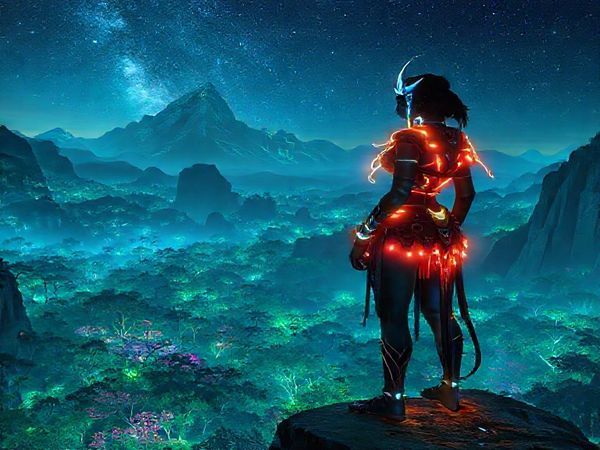
“Avatar: Fire and Ash” (2025) returns us to the lush, bioluminescent world of Pandora with a visual feast that is simply breathtaking. Director James Cameron’s unparalleled ability to weave intricate, otherworldly landscapes with cutting-edge technology is on full display. The seamless melding of CG and live-action sequences creates a rich tapestry of color and emotion. However, beneath its stunning cinematic veneer lies a narrative that requires careful unpacking, especially concerning its portrayal of gender.
Charting the Terrain: Female Agency and Narrative Influence
While the film introduces a host of female characters who navigate the complex socio-political tensions of Pandora, their agency often feels compromised in favor of advancing male-driven plotlines. Neytiri (Zoe Saldana), a formidable presence in the original “Avatar,” returns with a strength that is both warrior-like and regal. Yet her character, along with new female leads, seems frequently sidelined in favor of Jake Sully’s (Sam Worthington) hero journey. This narrative imbalance is symptomatic of a tradition in blockbuster cinema where female characters, though present, are seldom the narrative engine.
To be sure, the narrative allows moments where women speak to one another outside the orbit of male characters. There’s a subtle subversion in these exchanges, showcasing discussions about environmental stewardship and ethical responsibilities rather than domestic affairs or romantic entanglements, which are often default narrative crutches for female interaction. However, the film misses opportunities to let these dialogues decisively influence the plot’s pivotal moments.
Motherhood as Power: Complexity or Tokenism?
“Fire and Ash” ambitively grapples with themes of motherhood, with Neytiri depicted as both a nurturer and a warrior. Her journey reflects a powerful archetype – one of strength, resilience, and deep cultural wisdom. However, the film sometimes leans into conventional portrayals, framing her maternal instincts as a trope to advance male-driven narratives and dramatic tension. It raises questions around whether these representations are progressive or merely reconfigured patriarchal motifs.
Beyond the Surface: Gender Dynamics in Communication
Communication between characters is where “Fire and Ash” offers both rich insights and frustrating tropes. Much of the dialogue between male and female characters follows a hierarchical pattern, where male voices dominate, while female characters often serve as emotional or moral anchors without challenging the narrative status quo. The language of compassion and empathy, often associated with feminine attributes, is present yet curiously contained within familial contexts, leaving the space of wider political maneuvering predominantly male.
Despite this, the film offers compelling moments where these dynamics are upended. Scenes where female characters challenge patriarchal authority, however brief, add depth to the portrayal of gendered communication. These moments of subversion are powerful but rare, leaving viewers craving more consistent disruption of the conventional gendered dialogue that pervades the movie.
The Artistic Alchemy: Audiovisual Excellence
Standing apart from its feminist critique, “Avatar: Fire and Ash” is an auditory and visual marvel. Its meticulous sound design – a sweeping orchestration of natural sounds and futuristic undertones – envelops the viewer in Pandora’s ethereal embrace. Cameron’s dedication to world-building is evident as each frame pulsates with life, inviting audiences to lose themselves in the visual grandeur. The film’s commitment to capturing Pandora’s environmental majesty serves as a poignant reminder of the world’s fragility and the pressing need for ecological preservation.
Converging Worlds: Ideological Reflections on Aesthetics and Politics
Overall, “Avatar: Fire and Ash” stands as a testament to the cinema’s power to blend the visual sublime with sweeping narrative epics. It captivates with its artistry but stumbles in offering incisive critique through its feminized lenses. The film succeeds in establishing an aesthetic narrative that is bound to resonate with audiences worldwide. Still, its gender politics reveal a hesitance to fully transform traditional cinematic structures.
This tension between aesthetic beauty and feminist inquiry reflects a broader ideological struggle present in contemporary cinema, one where representational advances are often countered by narrative conservatisms. In the end, “Avatar: Fire and Ash” offers a visually arresting experience that provides enough depth for thoughtful engagement, even as it invites further dialogue on gender roles within its epic tapestry. Despite its missteps, it remains a significant cultural artifact, framing conversations that will persist long after the credits roll.