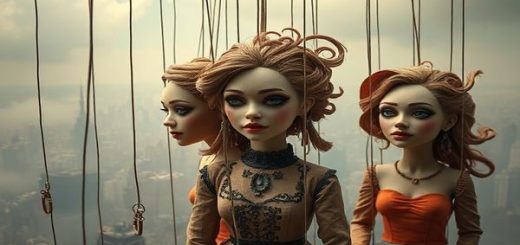
Visions of Patriarchy: a feminist review of Dream Scenario (2023)
Aesthetic Dreams with Subdued Echoes
“Dream Scenario” (2023) emerges as a cinematic marvel with its audacious narrative and visual exuberance. Directed by the auteur known for his lush storytelling, the film crafts an exquisite tapestry of dreams and reality intertwined, drawing viewers into a world that is alluringly surreal. Each frame of this film is rendered with painterly precision, where every color and texture seems to exist for both aesthetic pleasure and thematic symbolism.
Yet, beneath the surface of its visual beauty, lies an undercurrent of patriarchal narratives that demands our attention. The film, though enchantingly shot, relies heavily on familiar gender dynamics that have persisted far too long in cinematic storytelling. Within these dreamscapes, it becomes evident that the worlds created remain tethered to patriarchal visions – often centering male perspectives while relegating female characters to supporting roles. Despite its magical allure, “Dream Scenario” struggles to escape the grip of traditional gender roles, leaving the viewer to wonder if its beauty serves as a distraction from its ideological shortcomings.
Gendered Conversations and Silenced Voices
The dialogues in “Dream Scenario” possess an entrancing rhythm, yet on closer inspection, reveal troubling patterns of communication. The film’s central male protagonist navigates a series of dream-like encounters, where women are often present yet conspicuously silent. When they do speak, their dialogues serve to validate or challenge the male lead, rather than to advance their own narratives or complexities. It’s a familiar scenario where women are either muses or obstacles – their voices echoing softly in the background.
The interactions between characters carry an air of intimacy but lack the texture of equitable exchange. Female characters frequently communicate through glances and gestures, their silent acquiescence a poignant reminder of their relegated narrative agency. This skewed dynamic subtly reinforces gender roles; the man as the active seeker, the woman as the enigmatic, passive figure. It’s as if the very structure of the dreams in the film seeks to replicate the entrenched realities we have so eagerly yearned to transcend.
Narratives of Ambition and Domesticity
At the heart of “Dream Scenario” lies an exploration of ambition and personal longing, painted with a dreamlike brush. The film traverses themes of success and yearning, yet finds itself weighed down by its alignment with traditional gender ideologies. The aspirations of the male protagonist are depicted as universal struggles for meaning, while the ambitions of female characters are either dismissed or conflated with domestic roles.
It’s in the portrayal of motherhood and domesticity that the film unwittingly reveals its loyalty to patriarchal norms. Mothers, wives, and sisters are portrayed as anchors to the dreamer’s journey – symbols of stability and sacrifice who receive little narrative reward. Their ambitions are seen through the prism of family and nurturing, rather than as individual desires. It’s a dichotomy that reduces the complexities of womanhood to a singular dimension, rather than the multifaceted reality they inhabit.
Cinematic Beauty and Emotional Resonance
Despite its shortcomings in gender representation, “Dream Scenario” remains a cinematic triumph in the realms of artistry and emotional resonance. The film’s dreamy landscapes are expertly crafted, where sound design intertwines seamlessly with visual elements to enhance the ethereal quality of the narrative. This attention to craft creates a compelling atmosphere that is both captivating and haunting.
The emotional arcs of the film, particularly those related to male vulnerability, are handled with a grace that is both refreshing and poignant. It is in these intimate portrayals that the film peels back layers of machismo, offering a vulnerability scarcely afforded to its female characters. The male protagonist’s journey is rich and nuanced, imbued with a depth that positively contrasts with the subdued complexity of the women around him.
In the final analysis, “Dream Scenario” is a film of contradictions – a masterpiece of artistry that falters in its feminist potential. It draws the viewer into a realm of beauty and emotional truth, yet holds steadfast to patriarchal narratives that limit its impact. As much as I am charmed by its cinematic magic, I am left yearning for a version of this dream untethered from age-old structures, where women’s voices are equally vibrant and transformative.