Underwater Unraveling: a feminist review of The Little Mermaid (2023)
Immersed in Aquatic Splendor: Visual Craft and Cinema Magic
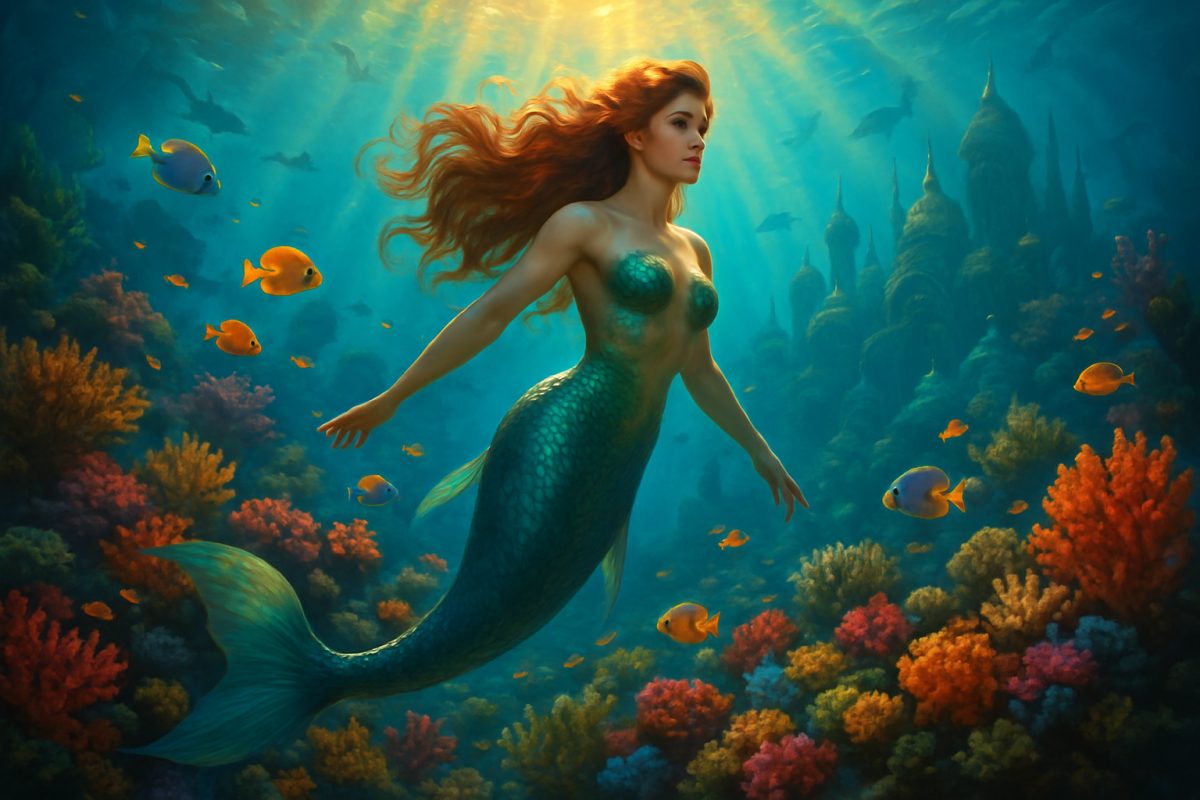
The 2023 adaptation of The Little Mermaid is a testament to cinematic innovation, whisking us away into an underwater utopia where scales shimmer like cut gems and every ripple feels orchestrated by an unseen mariner. The film strikes a balance between the enchantments of technology and the organic pulse of marine life, drawing us into a fantastical world that teems with color, movement, and song.
From a craftsmanship perspective, the visual storytelling is nothing short of sumptuous. Each frame is rendered with exquisite attention to detail, inviting viewers to linger over the rich tapestry of the merfolk kingdom. The sound design complements the visual spectacle with an immersive aural landscape that captures the tempo of oceanic life with haunting clarity. Yet, amid this theatrical grandeur, the feminist mind wonders: does the film drown its ideological currents beneath its aesthetic wave? Do the characters, particularly the female ones, hold any narrative sea legs of their own?
Ariel’s Voice: Ambition in a Feminine Key
Ariel stands at the forefront of this narrative reclamation, her character a compelling draw for feminist analysis. Her journey explores ambition as a driving theme, one that swims beyond the lures of romance. Ariel’s desire for worldly knowledge, a thirst for discovery, and a yearning for self-definition highlight a departure from narratives that reduce female ambition to romantic conquest. Yet her voice, once again, becomes a central narrative tool – capable both of the film’s most powerful dialogs and its quietest silences when laryngectomy silences her.
The choice to silence Ariel at a crucial juncture speaks volumes about gendered communication in storytelling. How do women assert agency when their literal voices are stripped away? The film admirably attempts to pivot her muteness towards a showcase of non-verbal resourcefulness, yet it does not entirely free itself from the narrative’s more archaic origins. Ariel’s journey remains tied partially to romantic fulfillment, challenging modern feminist sensibilities that yearn for more.
Sibling Songs: Gender Dynamics and Family Archetypes
The film does not just tread water with its focus on Ariel, but dives deep into the dynamics of familial relationships, particularly those of sibling nuances among her mermaid sisters. Here, the band of sisters extends the monochrome watercolor into a richer palette by offering diverse embodiments of womanhood. Their interactions, albeit fleeting, suggest a model of feminism that promotes solidarity over rivalry.
Yet, when the male characters, particularly the paternal King Triton, come into play, the narrative skirts along the familiar currents of gendered control. Triton’s protective, if patriarchal, mien provides an archetype of fatherhood that lacks a deep interrogation of power and personal accountability. Would the narrative have been more potent had it allowed these mermaid daughters to contribute with as much narrative agency to the rescue attempts and resolutions, thereby challenging family structures beyond the gendered notions of protection and dependence?
Humanity in Hybridity: Ideological Seashells and Gender Roles
As the film attempts to bridge the worlds of sea and land, it indirectly posits a dialogue on hybridity, both literal and metaphorical. Vanessa/Ursula’s presence marks an interesting take on the monstrous-feminine trope, not merely relegated to villainy but also revealing the complexity of her own thwarted desires and aspirations through layers of envy and ambition.
Despite the nuanced shadings of these characters, romantic love remains anchored as the film’s ultimate conflict resolution. This may provoke critical whispers of ‘whether true feminist possibilities could rise above the performed heteronormativity’. Are Ariel’s dreams only realizable with a transformation to human form, a guise that seamlessly fetishizes ‘becoming’ over being, and inadvertently perpetuates gender binaries? This ideological constancy causes one to ask how much has truly evolved since the film’s narrative roots planted in the 19th century.
Conclusion: Submerging into Future Waves of Feminine Narratives
Ultimately, the 2023 adaptation of The Little Mermaid floats on the tides of its predecessors while offering glimmers of feminist progressivism through its narrative and artistic currents. Despite occasional swells of traditionalism, the mermaid’s song – its story – is one that echoes with the significance of choosing identity over categorical confines.
Ariel’s portrayal challenges, but perhaps does not fully dismantle, the dams and dykes of classical storytelling obligations. However, the film’s splendor and artistic tapestry certifies its standing as a visually compelling work of art, flickering against the backdrop of a sea all too often hesitant to navigate the uncharted deep waters of true female agency and multifaceted gender dialogue. As we await potential future waves that might deliver richer narrative treasures, The Little Mermaid remains a key step in the evolving tide of cinematic representation.