What is the best time to visit Clutha District?
Tucked away on the southern coast of New Zealand’s South Island, the Clutha District offers a tranquil escape filled with unspoiled landscapes and a charming rural atmosphere. Known widely for its scenic allure and a slower pace of life, it is the quintessential choice for those seeking serenity wrapped in natural beauty. Home to lush farmlands, dramatic coastlines, and quaint towns, Clutha invites visitors with the promise of authentic experiences devoid of overwhelming crowds. Whether you’re trekking over rolling hills, exploring historic landmarks, or indulging in local cuisine, the district offers something unique throughout the year.
Clutha District in summer
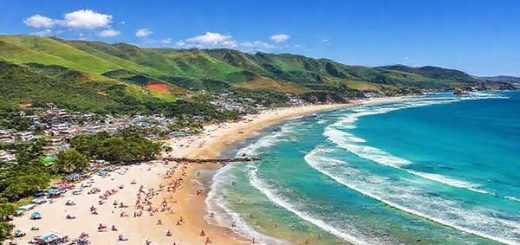
Summer in the Clutha District, which spans from December to February, presents an idyllic scene of long sunny days and mild temperatures averaging around 20°C (68°F). This is an optimal time for outdoor enthusiasts, as the district’s natural playground is in full bloom. Hiking trails like the Catlins River Walk become alluring paths through lush forests, with chances to spot native wildlife such as the rare Hectors’ dolphins along the coastline. The warm weather also opens up opportunities for water sports on the Clutha River or relaxing beach days at Kaka Point. While summer does draw more tourists, it remains relatively peaceful compared to other destinations, providing a delightful balance between exploration and tranquility. However, visitors should prepare for occasional showers, which can be typical in this part of New Zealand.
Clutha District in winter
Winter arrives from June to August, cloaking the Clutha District in a mystical aura of cool crisp air, with temperatures averaging between 5-10°C (41-50°F). Though not as bustling as in the summer, winter’s quieter months unveil a different layer of beauty. The district’s landscapes transform into picturesque tableaux with frost-laden fields and snow-dusted hilltops. This time of year is perfect for those who appreciate solitude and serene nature walks, finding solace in the stillness that envelops the region. The Nugget Point Lighthouse offers a striking view amid the winter chill, standing sentinel over the ever-crashing waves below. However, anticipate fewer open tourist services, as some areas may reduce operations during winter months.
Clutha District in fall
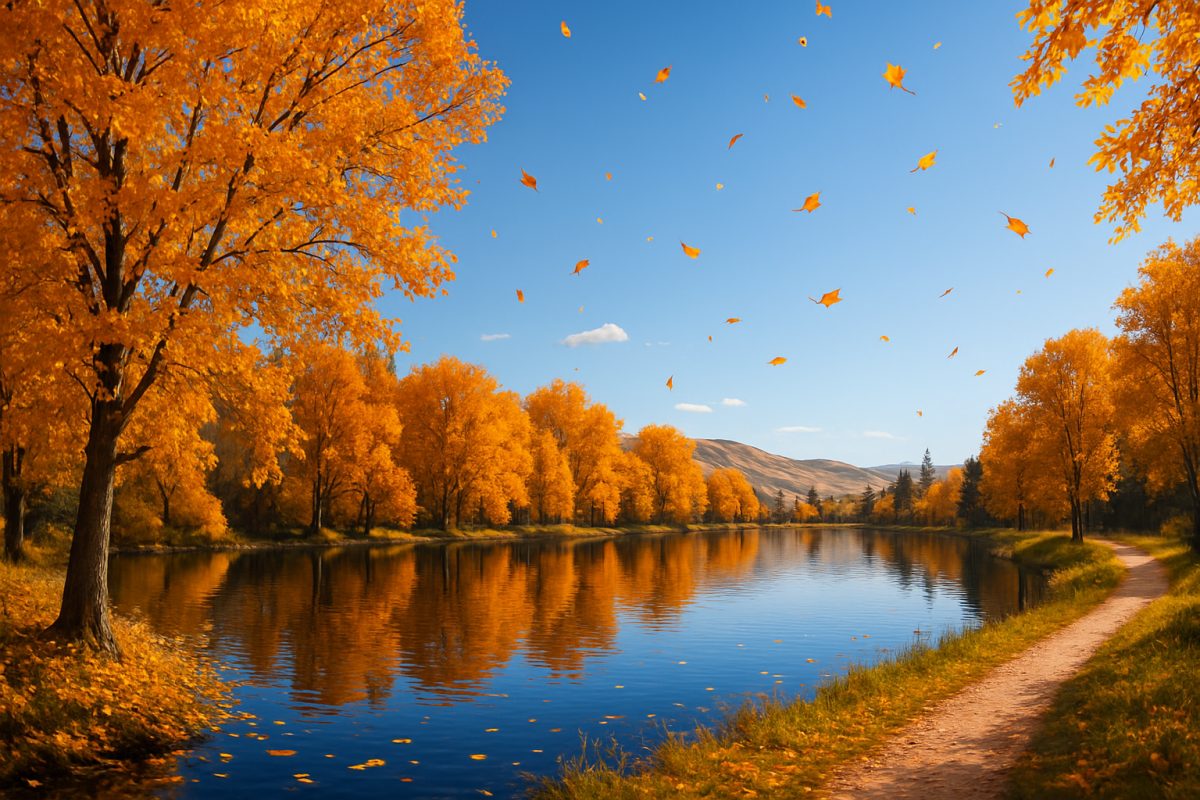
Fall, stretching from March to May, drapes the Clutha District in an enchanting palette of autumnal hues. This season marks a slightly quieter time than summer, creating an atmosphere of peaceful reflection ideal for avid photographers and nature lovers. The vivid transformation of foliage makes drives through the district particularly captivating. Venture to Lake Waihola to witness the kaleidoscope of colors mirrored in its calm waters, or explore the wind-swept beaches where the orange and gold tones sharply contrast with the aquamarine sea. The autumn’s mild weather and clear skies offer the ideal conditions for exploring historical sites like the Lawrence Heritage Town. While the evenings start to cool down, the daytime remains pleasant, making fall a comfortable and alluring time to visit without the warmth-related intensity or crowd concerns of summer.
Clutha District in spring
Spring in Clutha spans from September to November, and this season sees the land rejuvenated with vibrant life, heralding a sense of renewal. With temperatures gradually warming, it remains pleasantly mild, encouraging explorations into blossoming gardens and awakening wildlife habitats. Visit The Catlins Reserve to experience the full bloom of native flora and fauna, and catch the playful seals and sea lions basking on the rocky beaches. The Moeraki Boulders offer a prime attraction with fewer tourists around compared to peak summer months. While spring brings the charm of flowers and flourishing landscapes, it also comes with a higher likelihood of variable weather and occasional showers, so packing accordingly is advised.
So, what time is the best to visit Clutha District?
The best time to visit Clutha District depends largely on what type of experience you seek. For those who relish warmer temperatures and a lively outdoor environment, January through March might be most appealing as the region provides ample opportunities for hiking, beach adventures, and other outdoor activities. If your preference leans towards witnessing autumn’s stunning colors and enjoying fewer crowds, then April and May would be ideal months for a visit. However, if tranquil winter landscapes and solitary explorations are more your speed, venturing here in July and August offers a peaceful retreat. Lastly, springtime from September to November provides the beauty of new beginnings with fresher weather, making it perfect for witnessing nature’s vibrant rebirth across the district.