Retro Visions: 1970s Ads Predicted Beyond and What Our Digital Reality Revealed
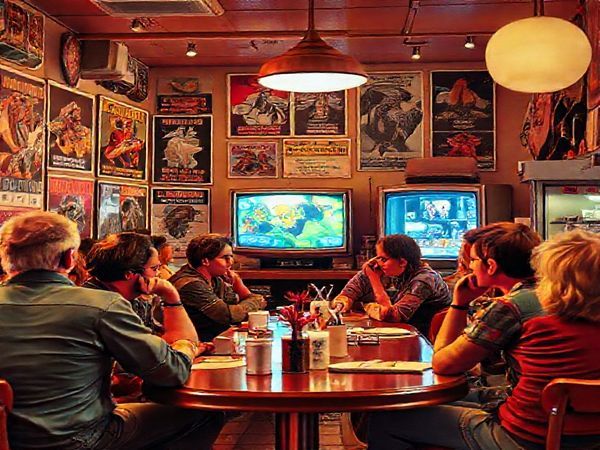
In the swirling milieu of the 1970s, a decade teetering between radical change and hopeful possibilities, visions of the future buzzed with electric anticipation. The world was racing forward, propelled by astronauts treading lunar dust and technological marvels redefining daily life. Amongst this backdrop, the future of advertising captivated the collective imagination. How would messages about products and brands evolve, many wondered, in a world rapidly shifting under their feet? In a coffee shop buzz or around living room conversations, debates cycled through the pending changes that might greet the next decade or the cataclysmic years beyond.
Advertising Fantasies of the 1970s
The 1970s were awash with cultural shifts and technological optimism that shaped expectations about the future of advertising. Living rooms were dominated by family gatherings around a flickering TV screen—where, between sitcoms and dramas, commercials brought products into the home in vibrant color for the first time. This medium, with its charismatic jingles and snappy catchphrases, sparked the imagination of what could come next. Many believed that this same screen would evolve to new heights, perhaps with commercials tailored specifically to individual homes—the forerunners of what we now know as personalized ads.
Futurists of the era painted vivid predictions. Alvin Toffler, in his groundbreaking book “Future Shock,” suggested that advertising would become more immersive and personalized, reflecting a society that craved individuality yet wrestled with growing connections through technology. Some foresaw a hyper-commercialized world where consumerism was seamlessly integrated into everyday experiences through interactive media yet unimagined.
Science fiction and popular films of the time, ever in sync with consumer anxieties and dreams, spun tales of advertising thrust into cities of tomorrow. Movies like “Soylent Green” hinted at a not-so-distant world where billboards flashed incessantly, and adverts became an omnipresent hum—forever churning and molding public consciousness. Professional discussions added another layer, with marketing experts debating the potential of data and analytics to revolutionize the industry and drive more sophisticated strategies.
The average person, while perhaps not privy to industry lingo or science-fiction visions, still mused over dinner tables about the fantastical possibilities hinted at by these narratives. Could their Saturday morning cartoon ads someday feel more like personal conversations rather than mass marketing? The cultural zeitgeist, in its embrace of innovation and progress, framed the future as a canvas for advertising’s evolution.
The Evolution of Advertising
Fast forward to today, the landscape of advertising has indeed transformed, but not always in the linear path once imagined. The 1980s saw the explosion of cable television, broadening the reach and scope of traditional commercials. Yet, perhaps the most significant shifts began with the advent of the internet in the 1990s. Advertising fledged new wings with the click of a mouse. Static online ads gave way to dynamic digital marketing strategies that spoke to specific demographics in a language the television commercials of the past century could only dream of.
Entering the 21st century, the rise of social media and platforms like Facebook and Google further revolutionized how businesses connected with consumers. The prophecy of personalized ads came true in ways that surpassed the 1970s imagination. Now, advertisements could not only target audiences based on interests but also respond in real time to behaviors, creating a level of interaction only described in the more avant-garde predictions of the past.
Intriguingly, while some anticipated the overwhelming presence of ads, the nature of this omnipresence, especially in online experiences, was largely unforeseen. Who in the 1970s could have predicted the ubiquity of sponsored content within social feeds or the kinetic buying power of influencers sprouting from YouTube and Instagram?
Yet, comparisons reveal some consistent threads. The pursuit of personalization is one prediction that came to vivid life, broadcasting ads directly linked to consumer preferences and patterns. Conversely, the futuristic idea of television or motion picture-style ads morphing into consumer-tailored conversations finds its kindred spirit in the chats and user-generated reviews shaping today’s market.
Lessons from Past Predictions
Reflecting on the 1970s aspirational forecasts versus the reality of today provides a fascinating window into how we imagine the future. It underscores a truth often observed: our forward-looking visions tend to mirror the hopes and fears rooted in our present. The enthusiasm for personalized interaction with adverts, for example, reflected the desire for personal agency amid the massive cultural shifts of the era.
This retrospection also highlights the adaptive nature of human creativity. While predictions veered from the paths eventually taken, they laid the conceptual groundwork for dreaming up alternatives. The story of advertising’s evolution is less about getting specifics right and more about the intellectual exercise of adapting to new realities, driven by human interest and technological potential.
Moreover, the gap between prediction and reality underscores the profound impact of unforeseen technological disruptions. No futurist of the 1970s could have accurately forecast the democratizing force of the internet or the rise of mobile technology, which now serves as a primary gateway for advertising.
The enduring lesson from the decade past is the persistently fluid nature of advertising as both an art and science, dynamically reflecting the pulse of human behavior and cultural ethos. It teaches us to embrace flexibility, to anticipate the unexpected, and to harness human imagination as a transformative force across industries and societal domains.
In closing, the journey from speculative visions of the 1970s to our present-day advertising ecosystem is a testament to both our perpetual curiosity and the unpredictable trajectory of technological innovation. While each era shapes its own distinct forecasts, the truth lies in the resilience found in how we adjust, innovate, and ultimately reshape commerce and communication around the continual shifts of society.