What is the best time to visit Tongariro National Park?
Nestled amidst the dramatic landscapes of New Zealand’s North Island, Tongariro National Park beckons adventurers from across the globe. It’s a place where towering volcanic peaks loom over fragile alpine ecosystems, and where cultural narratives are woven into the very fabric of the land. As New Zealand’s oldest national park, and a dual World Heritage site recognized for both its cultural and natural significance, Tongariro offers a dazzling mix of opportunities for outdoor pursuits and cultural experiences, making it a popular destination for travelers seeking both adventure and tranquility.
Tongariro National Park in summer
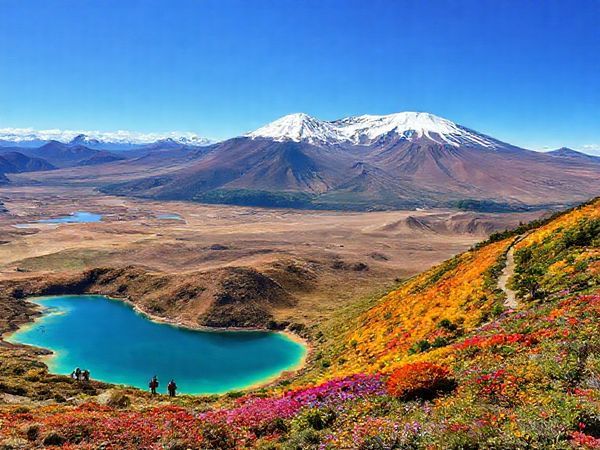
Summer in Tongariro National Park, from December to February, is a vibrant and lively period. With warm temperatures generally hovering between 14 and 18 degrees Celsius, it’s an ideal time for those keen to trek the world-renowned Tongariro Alpine Crossing. Known as one of the best day hikes in the world, this crossing reveals a mosaic of volcanic landscapes, turquoise lakes, and lush valleys. Summer days are long, allowing explorers ample time to enjoy the trails and pause at scenic spots. The favorable weather means paths are often bustling with hikers, which can be invigorating for those who enjoy the company of fellow adventurers. However, it also means a higher number of visitors, so booking accommodation well in advance is advisable. Summer is also perfect for exploring the cultural heritage of the park, including visiting sites significant to the Māori, the indigenous people of New Zealand.
Tongariro National Park in winter
The winter months from June to August transform Tongariro National Park into a snowy wonderland. This season attracts a different crowd, mainly snow enthusiasts. The park is home to Whakapapa and Tūroa ski fields, which are nestled on the slopes of Mount Ruapehu, New Zealand’s largest and most active volcano. Skiers and snowboarders find these slopes particularly appealing. The snow-blanketed mountains offer dramatic views, creating a stark yet beautiful contrast against the blue skies. While the temperatures drop significantly, ranging from 1 to 10 degrees Celsius, the sheer beauty of the snow-laden landscapes and the thrill of winter sports make it a rewarding time to visit. Bear in mind, however, that certain trails may be inaccessible due to snow, and those venturing into the backcountry should be experienced and properly equipped for cold conditions.
Tongariro National Park in fall
As autumn brushes the park from March to May, Tongariro embraces a quieter ambiance. The temperatures start to cool, making it a comfortable period for trekking. It’s an excellent time for photography enthusiasts, as the multi-hued foliage provides a stunning backdrop against the volcanic terrain. The trails see fewer footprints, offering a more solitary and introspective experience for those who prefer their adventures a bit more serene. While the weather can be unpredictable, with possible rainy spells, clear days are typically crisp and refreshing. Fall is a transitional season that appeals to those who want to avoid the crowds yet still experience the majesty of the landscape.
Tongariro National Park in spring
Spring in Tongariro, from September to November, is a time of renewal and blooming beauty. The melting snow feeds into the park’s vibrant ecosystems, reviving the lush greenery and wildflowers that dot the trails. The weather is mild, with temperatures gradually rising, providing a pleasant climate for hiking and exploring. The spring landscape is lively and colorful, attracting both nature lovers and amateur botanists who delight in the blossoming flora. While the trails are more accessible than in winter, remnants of snow may still linger on higher elevations, providing a refreshing contrast. For travelers desiring fewer crowds but still wishing to capitalize on good weather, spring is an appealing choice.
So, what time is the best to visit Tongariro National Park?
Determining the best time to visit Tongariro National Park truly depends on personal preferences and interests. For those captivated by warm weather, extended days, and the thrill of completing the iconic Tongariro Alpine Crossing, visiting in January or February during summer is ideal. However, if the allure of skiing on volcanic slopes or witnessing the quiet beauty of a snow-covered landscape is what you seek, then July and August are your prime months. Alternatively, for travelers who savor solitude and the spectacle of changing leaves, April offers a more tranquil experience. Lastly, if you’re enchanted by the idea of blooming landscapes and milder days, consider visiting in October or November when the park is bursting back to life. Ultimately, any time of the year offers a unique perspective on this enchanting landscape, ensuring a memorable visit.