What is the best time to visit Taranaki Region?
Nestled on the western coast of New Zealand’s North Island, the Taranaki Region is a hidden gem that offers both dramatic landscapes and a rich cultural tapestry. Dominated by the majestic Mount Taranaki, an almost symmetrical stratovolcano, the region captivates visitors with its natural beauty and abundant outdoor activities. Popular among those seeking adventure and tranquility alike, Taranaki is renowned for its stunning national parks, vibrant arts scene, and welcoming communities. Its unique blend of rugged mountains, lush forests, and pristine coastline make it a must-see destination.
Taranaki Region in Summer
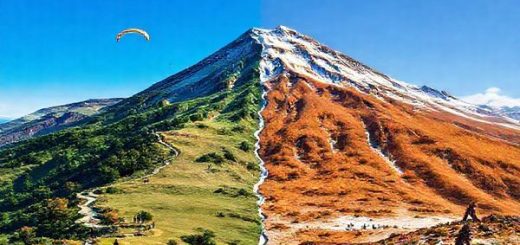
During the summer months, Taranaki transforms into a sun-drenched paradise. The weather is warm but not overpoweringly hot, creating an inviting atmosphere for various outdoor endeavors. Mount Taranaki’s iconic silhouette stands prominently against long sunshine hours, offering ideal conditions for hiking enthusiasts. Trails like the Pouakai Crossing offer breathtaking panoramic views, and the snow-free landscape allows access to more hiking routes compared to other seasons. The Coastal Walkway, a scenic promenade stretching several kilometers along the edge of the New Plymouth shoreline, buzzes with both locals and visitors enjoying biking, running, or leisurely strolls.
Summer is also an excellent time for water activities; the crystal-clear waters are perfect for surfing, swimming, and kayaking. Those who prefer cultural pursuits can experience the Taranaki Arts Festival, where the vibrant local arts scene is on full display with performances and exhibitions. However, as summer draws many to Taranaki’s beautiful beaches and its array of events, it can be more crowded and accommodation prices tend to rise. Despite these potential downsides, the lively atmosphere and the opportunity for diverse outdoor activities make summer a compelling time to visit.
Taranaki Region in Winter
Winter in the Taranaki Region brings a different kind of charm, with the landscape often transforming under a cloak of frost and occasional snowfall on Mount Taranaki. This season offers the most spectacular snow-capped views of the volcano, creating a picturesque backdrop that is both serene and awe-inspiring. It’s a quieter time, perfect for those seeking solitude and introspection while enjoying shorter hikes in Egmont National Park. Mount Taranaki’s summit becomes a playground for mountaineers and experienced climbers equipped for snow and ice conditions.
Winter’s crisp air is invigorating, and the climate remains mild compared to many other winter destinations, making it suitable for cozying up indoors after a day of exploring. Enjoying a hot drink in one of New Plymouth’s cafes while indulging in locally made treats provides a comforting end to a chilly day. While some trails and roads may be less accessible due to weather conditions, the tranquility, along with reduced crowds and lower accommodation rates, gifts visitors with a unique and peaceful experience.
Taranaki Region in Fall
As fall unfolds, Taranaki dresses in a myriad of warm hues, enhancing its terrain with a picturesque palette. The moderate weather, neither too hot nor too cold, makes it an ideal season for exploration. The transition from summer’s warmth to winter’s chill is gentle, offering pleasant conditions for those wishing to enjoy Taranaki’s great outdoors without the intensity of summer crowds. The gardens of Pukeiti and the expansive parks radiate with autumn colors, making them marvelous locations for photography and leisurely walks.
This season is perfect for agricultural enthusiasts as it coincides with the harvest, presenting multitudinous farm-fresh produce at local markets. Cultural festivals celebrating the region’s rich Maori heritage provide a vibrant appeal to visitors, offering a chance to engage with local traditions and history. A potential drawback in fall is the unpredictable rain, yet this often creates misty and enchanting scenes across the landscape. For those appreciative of natural beauty with a touch of unpredictability, fall in Taranaki is enchanting.
Taranaki Region in Spring
Spring breathes life into the Taranaki Region as blossoms and greenery fully awaken, rejuvenating the landscape after winter’s rest. The gardens and parks, such as Pukekura Park, burst with floral displays, making spring a highly favored time for botanical enthusiasts. The air is crisp and fresh, ideal for outdoor activities and exploration without the soaring summer temperatures.
Spring is also the season for the Taranaki Garden Festival, showcasing a plethora of exquisite gardens open to the public. This event draws avid horticulturists and casual visitors alike, offering inspiration and beauty at every turn. Wildlife is particularly active, and birdwatching becomes more rewarding in areas like Rotokare Scenic Reserve, which flourishes with returning life. Occasional spring showers may occur, sometimes leading to vibrant rainbows that add to the region’s charm. The mild climate and blooming surroundings make spring an excellent time to embrace Taranaki’s outdoor allure.
So, what time is the best to visit Taranaki Region?
Choosing the best time to visit the Taranaki Region largely depends on what you are looking to experience. For those who favor warm weather and numerous outdoor activities like hiking and surfing, December through February promises the ideal summer weather. If you prefer a serene escape with dramatic snow-capped views of Mount Taranaki, consider visiting in the months of June and July during winter. For moderate weather and vibrant autumn colors without the large crowds, March and April provide a beautiful and peaceful setting. Finally, if you are enchanted by spring blooms and participating in lively garden festivals, October and November are perfect for your floral and temperate desires. Regardless of when you choose to go, the Taranaki Region offers an exceptional experience steeped in natural beauty and diverse activities throughout the year.