What is the best time to visit Kerikeri?
Nestled in the heart of New Zealand’s stunning Northland region, Kerikeri is a place of enchanting landscapes, fascinating history, and vibrant culture. As one of the country’s oldest European settlements, it attracts visitors with its gentle blend of heritage charm and lush natural beauty. Plenty of travelers find their way to this haven, eager to explore its gardens, indulge in the local art scene, or taste the region’s diverse produce. Whether you’re charmed by historical sites or drawn in by adventurous outdoors, Kerikeri offers a unique, year-round appeal that beckons to wanderers from all corners of the globe.
Kerikeri in summer
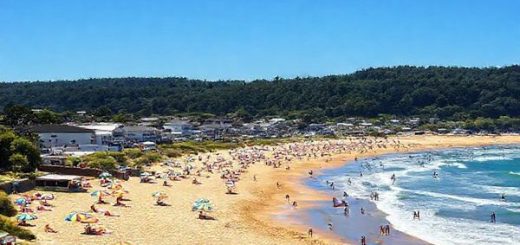
Summer in Kerikeri, stretching from December to February, paints the landscape in vibrant hues and lively atmospheres. The warm weather, with temperatures averaging from 20°C to 25°C (68°F to 77°F), creates a perfect setting for open-air activities. Locals and tourists alike relish this season along with the bustling energy of the Farmer’s Market, where local produce and artisan goods highlight the flavors of the summer harvest. When visiting in summer, one can explore the famous Kerikeri Mission Station and the Stone Store, New Zealand’s oldest stone building, under the radiant sun. The subtropical climate also ensures that the surrounding gardens, like the stunning Rainbow Falls, are in full bloom, offering a picturesque backdrop for photographers and nature lovers. However, this peak season does draw larger crowds, and accommodations tend to fill up quickly. But the spirited ambiance and endless activities often outweigh these minor inconveniences for many.
Kerikeri in winter
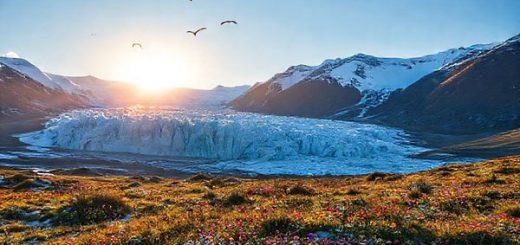
Kerikeri’s winter, from June to August, embraces a quieter, more introspective charm. Temperatures might dip between 10°C and 16°C (50°F to 61°F), but the cooler climate invites visitors to delve into the region’s rich history and invigorating landscapes with renewed enthusiasm. It’s ideal for those who appreciate a slower, more measured pace, free from the distractions of heavy summer crowds. Winter is perfect for walking along the tranquil river trails or taking part in a cozy afternoon of wine-tasting at one of the local vineyards. The cooler weather also adds a refreshing briskness to visits to the Aroha Island Ecological Centre, where birdwatching becomes a peaceful, contemplative endeavor. While some may find the cooler temperatures less conducive to swimming or beach outings, the season’s serene charm and its spectacular, mist-cloaked morning vistas offer their own rewards.
Kerikeri in fall
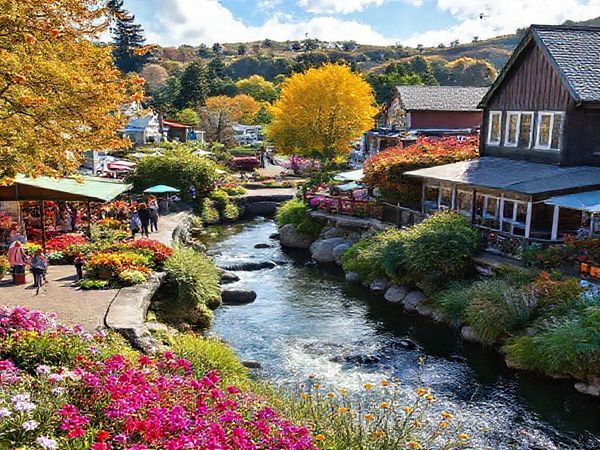
The fall months of March through May bring an inviting medley of warm colors and mellow temperatures, ranging from 12°C to 22°C (54°F to 72°F), making it an idyllic time for walking tours and outdoor exploration. As the summer crowds retreat, an opportunity arises to engage with Kerikeri’s natural and cultural wealth at a more leisurely pace. Traverse the Heritage Bypass Walkway, where the autumn foliage offers a breathtaking tapestry, or spend a day exploring the creative spirit of the area in the numerous artisan stores and galleries. This season is also rich with harvest festivals wherein visitors can experience the freshest of regional produce. The gentler weather makes physical activities such as hiking or cycling particularly enjoyable, although some may find the intermittent rainfall an occasional hindrance to their plans. But delightful indoor attractions, such as the captivating Rewa’s Village or the Makana Confections chocolate factory, are inviting reasons to continue the journey.
Kerikeri in spring
Spring in Kerikeri, observed from September to November, is a time of rejuvenation and rebirth, as the landscape awakens from winter’s slumber. Temperatures range from 13°C to 19°C (55°F to 66°F), heralding invitingly mild days that are perfect for witnessing the region’s rich blossom. Gardens flourish vibrantly during these months, rewarding horticultural enthusiasts with breathtaking displays at locations like Wharepuke Gardens. Spring also sees the return of lively events, including cultural festivals that echo the community’s diverse origins. During these months, the Kerikeri Basin offers serene and lovely picnicking spots that are enhanced by gentle breezes and the sight of new life teeming in the waters and the woods. Though the weather might be unpredictable, oscillating between sunshine and sudden showers, it only adds to the spectrum of experiences awaiting visitors.
So, what time is the best to visit Kerikeri?
Determining the best time to visit Kerikeri largely depends on personal preferences and planned activities. For those who revel in vibrant festivals, lush landscapes, and the energy of a bustling environment, the December to February months offer a compelling experience, ensuring plenty of sunshine and a wealth of outdoor adventures. On the other hand, visitors seeking a tranquil escape might prefer the cooler, quieter settings of June to August, when the historical sites can be explored with minimal interruption. If one desires a happy medium, without the extremes of either crowd or cold, the transitional periods of March to May and September to November promise mild weather and extraordinary seasonal beauty, making these months particularly ideal for laid-back exploration and artistic pursuits. Whatever the choice, each season brings its own distinct allure to this enchanting locale.