What is the best time to visit Kepler Track?
Tucked within the pristine wilderness of Fiordland National Park, Kepler Track is one of New Zealand’s most enchanting hiking experiences. A stunning loop that stretches for about 60 kilometers (around 37 miles), this track guides adventurous souls through diverse landscapes, including lush forests, expansive tussock lands, serene lakeshores, and alpine ridgelines offering breathtaking vistas. Its well-formed paths, marked routes, and comfortable backcountry huts make it accessible yet challenging enough to provide an epic outdoor adventure. Beloved by trekkers worldwide, Kepler Track’s allure lies in its unique blend of striking natural beauty and the sense of journey it offers.
Kepler Track in summer
Summer on the Kepler Track, spanning from December to February, is a vibrant time, with the trail bustling with activity. This is the peak season for hikers, gravitating towards the mild and sunny weather that brings out the vibrant greens of the forests and the iridescent blues of Lake Te Anau and Lake Manapouri. Traverse the elevated sections of the track, where endless alpine panoramas unfold under the vast skies, a sight that is genuinely photogenic and uplifting. The long daylight hours allow for a leisurely pace, letting hikers soak in every detail of their journey. However, with the increase in popularity comes busier paths and huts, and advance booking becomes a necessity. Despite this, the incomparable summer light, lively atmosphere, and ideal trekking conditions make summer a top choice for many adventurers.
Kepler Track in winter
Winter transforms the Kepler Track into a serene and silent wonderland from June to August. Snow often blankets the higher altitudes, painting the landscape in pure white and offering a stark, magical contrast to the usual verdant vistas. For the adventurous and the well-prepared, winter hiking on the track becomes a solitary and meditative experience, with far fewer trekkers sharing the way. Each step drives a deeper connection with the surrounding raw nature, and there’s a unique sense of tranquility and achievement in tackling the track at this time. However, challenges such as cold temperatures, potential avalanches, and closed sections for safety need to be considered. Winter trekking requires experience, the right gear, and flexibility, as conditions can change rapidly. For those who relish a challenge and the quiet solitude of the snow-draped wilderness, the Kepler Track in winter offers a rare connection to remote beauty.
Kepler Track in fall
Autumn, from March to May, introduces a calmer, gentler side to the Kepler Track. The days begin to shorten, and a rich tapestry of golden and amber hues fills the forests, painting the landscape in warm tones that are unmatched in their quiet beauty. Temperatures drop to a crisp coolness which makes for comfortable hiking conditions. The paths are less crowded compared to summer, allowing for more intimate encounters with nature. It’s a time to savor the gentle rustling of leaves underfoot and marvel at how the orange-tinged light bathes the mountainsides. Despite some unpredictable weather changes, autumn is a wonderful season to explore, offering both serene beauty and solace. In fall, Kepler Track whispers its magic softly yet profoundly.
Kepler Track in spring
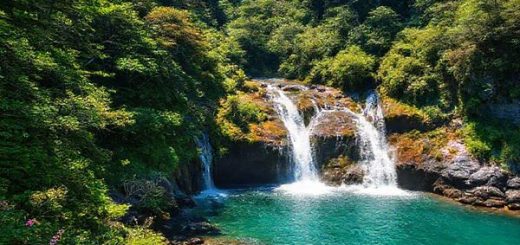
Springtime on the Kepler Track, occurring from September to November, is a period of rejuvenation when nature awakens from the winter slumber. As melting snows feed the rivers and waterfalls, the lushness of the regrowth becomes evident. The trail erupts into life as wildflowers bloom along the paths, and birds fill the air with songs, creating a soundtrack for your journey. The weather can be a mosaic of sunny spells and sudden showers, demanding readiness for all conditions. Spring brings renewal and vibrancy, gradually increasing visitor numbers, though the atmosphere remains relatively relaxed compared to the summer rush. Springtime trekkers often cherish the balance of vivid natural beauty and manageable trail traffic, which allows for personal reflection and appreciation of the unfolding new life.
So, what time is the best to visit Kepler Track?
Deciding the best time to embark on the Kepler Track adventure depends significantly on your personal preferences and readiness for the varying conditions. If you are drawn to the idea of traversing the track amidst lively surroundings, extended daylight, and enjoy the full spectrum of amenities, then December through February would be the ideal time to visit. Nevertheless, if you prefer a quieter, more introspective journey, mingled with nature’s singular vibrancy, consider planning your trek for March through May. Those who seek the rarified charm of a wintry hike should venture between June and August, granted they come geared for the elements. For a vivid, floral emergence without the summertime influx, September through November offers a captivating meld of vivacity and serenity before the peak summer months. Ultimately, every season on the Kepler Track delivers its own remarkable experience, each poised to leave a lasting imprint on the soul of the wanderer.