What is the best time to visit Trier?
Nestled in the picturesque valleys of the Moselle River, Trier is Germany’s oldest city, boasting a rich tapestry of Roman heritage blended seamlessly with the charm of a vibrant modern town. Known for its impressive architecture, including the Porta Nigra, ancient amphitheaters, and the imposing Trier Cathedral, the city is steeped in history that beckons travelers from all corners of the globe. Trier’s cobblestone streets, lined with cafes and quaint shops, exude a warm, welcoming atmosphere, making it a must-visit for those who appreciate both cultural immersion and leisurely exploration.
Trier in summer
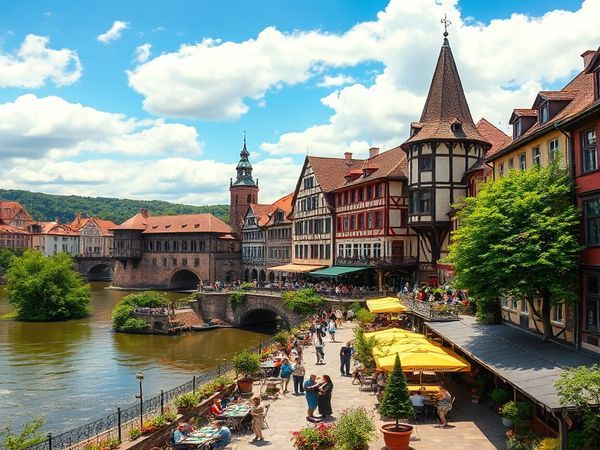
Summer is a captivating time to visit Trier, when the city’s vibrancy reaches its peak. The months from June to August bring long, sunny days and temperatures that hover around a pleasant 20 to 25 degrees Celsius, making it ideal for strolling through the city’s historic lanes or along the scenic Moselle River. Outdoor cafes bustle with energy, and the city gardens, such as the Palastgarten, flourish in full bloom, offering perfect spots for a leisurely picnic.
The summer calendar is packed with events, including traditional wine festivals that the region is famous for. Visitors can enjoy sampling local wines and indulging in regional delicacies, all while soaking up the lively festival atmosphere. Summer is also the high season for tourism in Trier, which means popular attractions might get crowded. However, the festive atmosphere and the extensive daylight hours allow for a fuller experience of both the city’s historical sites and its modern delights.
Trier in winter
Winter in Trier peels back the layers of vibrant summer festivity to reveal a more tranquil, introspective side of the city. From December to February, temperatures often dip to around zero degrees, sometimes accompanied by a light dusting of snow that transforms the city into a winter wonderland. This is the time when Trier’s Christmas markets transform its medieval squares into a dazzling display of lights and festive decor, with the scent of mulled wine and gingerbread wafting through the air.
Tourists looking to avoid the crowds might find winter an ideal time to visit, as the city becomes more serene and contemplative, with the chillier weather lending itself to cozy gatherings in restaurants and boutiques offering respite from the cold. However, shorter daylight hours can limit outdoor exploration. Despite this, the magic of Trier during the winter months lies in the unique opportunities for cultural exploration without the bustling crowds of summer.
Trier in fall
September through November, fall casts a warm, golden hue over Trier, making the city and its surrounding vineyards truly spectacular. The autumn harvest season offers travelers the chance to witness the frenzy of wine production, with the surrounding Moselle valley vineyards awash in vibrant colors and activity. This is also the best time to sample fresh, locally produced wines and savor hearty German culinary specialties that are perfect for cooler weather.
The mild temperatures of fall, typically ranging from 10 to 18 degrees Celsius, provide a comfortable climate for exploring Trier’s architectural marvels. The city’s Roman history feels even more present amid the moody autumnal light. There’s an added layer of romance and nostalgia to the ancient structures framed by rustling leaves. One downside could be the occasional rain showers, but these often lead to atmospheric foggy mornings which create otherworldly photographic opportunities.
Trier in spring
Spring breathes new life into Trier between March and May, painting the city and its surroundings in a palette of fresh green and pastel shades. As winter recedes, the city awakens with the blossoming of cherry blossoms and daffodils, making it an ideal backdrop for those interested in nature-inspired walks and photography. The temperatures during spring climb steadily from around 8 to 15 degrees Celsius, welcoming visitors with mild, refreshing weather.
Springtime is perfect for exploring Trier’s vast array of outdoor spaces and Roman ruins without the rush of summer tourists. The city’s parks and outdoor attractions come alive with the season, making places like the Imperial Baths and the Römerbrücke especially alluring with fewer visitors around. As the season progresses, numerous cultural events begin cropping up, marking the start of the lively festival calendar.
So, what time is the best to visit Trier?
Deciding the best time to visit Trier largely depends on personal preferences and the experiences one seeks. For those who enjoy a lively atmosphere with numerous outdoor activities and events, the summer months of June to August are ideal. You’ll experience the city’s vibrant spirit and warm, sunny days make touring effortlessly enjoyable. On the other hand, if a serene, cozy ambiance with festive winter charms appeals to you, then visiting during December for the Christmas markets may be the perfect choice.
The fall months of September and October are best for travelers who appreciate the beauty of the vineyard harvest and mild, scenic days, offering a more tranquil yet culturally rich experience. Meanwhile, if you prefer to see the city blossoming into life after winter’s chill, a spring visit in April or May will provide the perfect balance of pleasant weather and emerging activities without the peak season crowds. Ultimately, each season offers unique experiences, allowing travelers to tailor their visit based on the type of adventure and atmosphere they wish to enjoy.