What is the best time to visit Bergpark Wilhelmshöhe?
Nestled in the landscapes of Hessia, Germany, Bergpark Wilhelmshöhe is a breathtaking expanse that captivates tourists with its enchanting combination of natural beauty and monumental Baroque architecture. Regarded as one of the largest mountain parks in Europe and a UNESCO World Heritage site, its allure is seamlessly tied to the stunning way the carefully manicured gardens blend with the dramatic Kassel hills. This magnificent park features iconic landmarks like the Hercules statue and cascading water features that guide visitors through an exploration of history, art, and nature. Its popularity is evident among tourists who seek both the serenity of nature and the grandeur of historical artistry.
Bergpark Wilhelmshöhe in summer
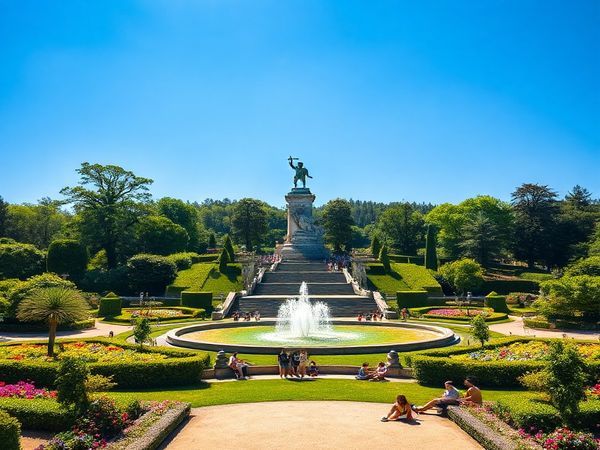
Bergpark Wilhelmshöhe truly comes alive in the summer, with its verdant gardens and sprawling landscapes inviting exploration. The temperature is typically warm but moderate, perfect for strolling through the lush terrain. One of the highlights of a summer visit is the spectacular water features, including the famous Grand Cascade, where visitors can witness the dramatic display of water pouring down the terraces against a backdrop of blue skies. This season also brings tourists the opportunity to enjoy extended daylight, which allows for leisurely picnics on the lawns or along the edges of the park’s many ponds. However, the popularity of the park during these months can lead to larger crowds, particularly at the major attractions such as the Hercules monument. Despite this, the vibrant flowers and the opportunity to partake in evening events or concerts make summer an enchanting time to explore this historic park.
Bergpark Wilhelmshöhe in winter
Winter transforms Bergpark Wilhelmshöhe into a serene wonderland. While the water features are dormant and many of the trees stand bare, the park’s paths are often covered in a soft layer of snow which lends a quiet, contemplative beauty to the landscape. Sledging activities and even cross-country skiing are possible here in colder months, and the silent elegance of a snow-laden Hercules is a sight to behold. The crowds thin out in winter, offering an unprecedented opportunity to experience the park’s grandeur in relative solitude, perfect for those who appreciate quiet reflection amidst nature. However, the shorter days and potential for colder, harsher weather might require more preparation such as bundling up against the chill. Despite these challenges, the winter months showcase a stunning contrast to the park’s more vibrant seasons, inviting a different kind of appreciation.
Bergpark Wilhelmshöhe in fall
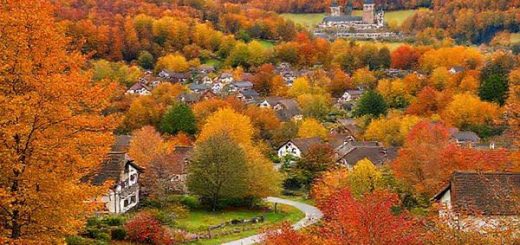
Fall at Bergpark Wilhelmshöhe offers a rich tapestry of color as the foliage transforms into bursts of gold, red, and orange. This season is ideal for photography enthusiasts as the colorful leaves create picturesque scenes against the dramatic Baroque structures. The crisp air of autumn is invigorating, perfect for the park’s numerous walking trails where one can enjoy the tapestry of changing leaves. Autumn is typically less crowded than summer, providing a more intimate experience when exploring the park’s tranquil pathways and gardens. Visitors during this time can engage with seasonal festivals held in the region, adding a cultural layer to their visit. However, the weather can be unpredictable, with varying temperatures and occasional rain showers, so it’s wise for visitors to pack accordingly.
Bergpark Wilhelmshöhe in spring
Spring graces Bergpark Wilhelmshöhe with a revival of life as the gardens burst back into bloom, and the sound of flowing water returns to the park. This time of year is characterized by mild temperatures and budding landscapes, making it an ideal time for nature lovers to explore the park’s flora and fauna. The return of the water features, including the majestic Waterfall, becomes a central attraction, drawing visitors keen to witness the spectacle. Spring offers a perfect balance of nice weather with fewer crowds compared to summer, providing a peaceful environment perfect for long walks and leisure. However, early spring might still be a bit chilly, and visitors should be prepared for sudden changes in weather, but the fresh blossoms and lush greenery make the experience magical.
So, what time is the best to visit Bergpark Wilhelmshöhe?
Choosing the best time to visit Bergpark Wilhelmshöhe comes down to personal preference. If you are captivated by floral diversity and flowing water features, planning a trip between April and June would be ideal, as the park comes alive with springtime energy and fewer tourists compared to the summer months. For those who appreciate a lively environment with warm weather, July and August provide lush landscapes and cultural events, though these months may be more crowded. Autumn visitors, particularly in September and early October, can enjoy the stunning fall foliage and cooler temperatures with fewer people on the trails. For a truly tranquil experience, albeit colder, late November through February offers a quieter, festive setting where the park’s beauty can be appreciated under a blanket of snow.