What is the best time to visit Baltic Coast?
The Baltic Coast of Germany, a captivating mosaic of serene coastal towns, rich maritime history, and stunning natural landscapes, draws travelers with a taste for the tranquil. Stretching from the charming medieval alleyways of Lübeck to the windswept coasts of Usedom, the Baltic Coast invites you with its blend of pristine beaches and cultural treasures. It’s a playground for both sea lovers and culture enthusiasts, where the Baltic Sea captivates with its vast azure expanse and its quaint seaside resorts offer a peaceful retreat from the hustle and bustle of everyday life.
Baltic Coast in summer
Summer is arguably the most popular time to visit the Baltic Coast, with long, sun-drenched days promising ideal beach conditions and vibrant outdoor activities. From June to August, the coastline thrums with life as both locals and tourists converge to enjoy the golden sands and refreshing sea breezes. Festivals and open-air events abound, with highlights like the Sand Sculpture Festival in Usedom offering unique experiences. Warm, sunny weather allows adventurous spirits to indulge in sea kayaking, sailing, or even kite surfing along the coastlines. However, with the influx of summer visitors, you may find the beaches crowded, and accommodations at a premium. Yet, the vibrant summer atmosphere, complete with bustling beaches and lively markets, captures the essence of a classic seaside holiday where laughter and the smell of sunscreen fill the air.
Baltic Coast in winter
Winter casts a serene spell over the Baltic Coast, transforming it into a tranquil winter wonderland. From December to February, the coast is ideal for those who savor quieter moments and gentle pursuits. The seaside resorts and fishing villages take on a more subdued character, offering a chance to explore their charm without the summer crowds. With swathes of beaches covered in frost and the Baltic Sea reflecting a low, soft winter sun, it’s a perfect time for long, contemplative walks along the shore, with the brisk sea air invigorating the spirit. While the chilly weather may deter typical beach activities, wellness resorts flourish in winter, inviting visitors to cozy up with spa treatments or thermal baths. One drawback might be the limited daylight, but winter stands out with its distinct, serene beauty that rewards those seeking solitude and reflection.
Baltic Coast in fall
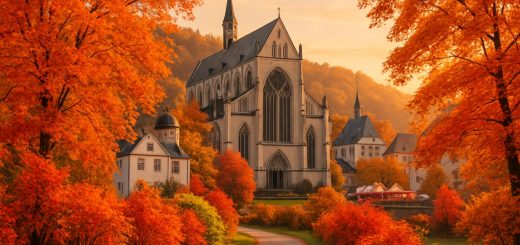
Fall arrives with a kaleidoscope of colors, offering a quieter yet equally enchanting experience on the Baltic Coast. As the summer crowds disperse in September and October, the pace slows down, and the landscape is painted with hues of amber and gold. This is a fantastic period to explore the region’s many nature reserves, such as the Jasmund National Park with its famous chalk cliffs. Crisp autumn air and the warm, earthy scents of fallen leaves make fall ideal for hiking and cycling. With the harvest season in full swing, local markets brim with fresh, seasonal produce, and regional delicacies highlight the bounty of the sea and land. Lower visitor numbers mean more space to explore at your leisure, but be prepared for more unpredictable weather, as rain showers can make an unwelcome appearance. Fall’s tempered climate and stunning scenery create a richly rewarding experience for those keen on exploration and adventure.
Baltic Coast in spring
As spring beckons, the Baltic Coast begins to awaken from its winter slumber, charming visitors with its rejuvenated vistas. From March to May, the landscape burgeons with life, as flowers bloom and wildlife reemerges from its winter retreat. This season represents renewal and is perfect for nature enthusiasts eager to witness the region’s vibrant flora and fauna. Birdwatching finds an enthusiastic audience, as migratory birds pass through, and seals can be spotted basking in the budding sunlight. Mild temperatures make conditions ideal for cycling along the scenic coastal paths or picnicking amidst nature. Spring’s charm is found in its mildness – fewer tourists, and the pleasant sensation of quiet exploration. However, the weather can still be somewhat erratic, with occasional chilly spells interrupting the milder days, which can be off-putting for those unprepared for the variation.
So, what time is the best to visit the Baltic Coast?
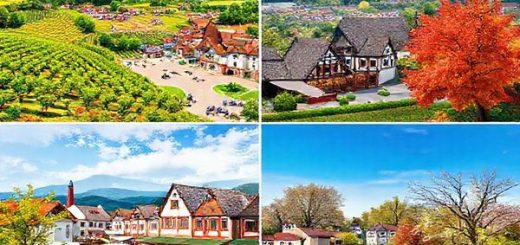
Choosing the best time to visit the Baltic Coast depends largely on personal preferences. For those who relish the energetic buzz and warm weather, the height of summer, particularly July and August, is ideal. These months promise festive gatherings and ample opportunities for water-based activities. Yet, if you prefer a quieter atmosphere and don’t mind layering up, consider visiting in April or May. Spring provides a fantastic opportunity to enjoy nature’s awakening without the peak-season crowds. Meanwhile, for a unique and contemplative retreat, December and January offer a different kind of coastal charm, with the added benefit of indulging in the region’s wellness offerings. Ultimately, the Baltic Coast is a year-round destination, offering diverse and unforgettable experiences, tailored to the preferences of the traveler.