What is the best time to visit Arnsberg?
Nestled in the rolling hills of the Sauerland region of North Rhine-Westphalia, Arnsberg is a town that quietly charms visitors rather than overwhelming them. Its appeal lies in a blend of medieval old town streets, dense forests, river landscapes along the Ruhr, and a relaxed local rhythm that feels authentically German. Arnsberg is not a place of mass tourism, which makes it especially attractive to travelers who enjoy history, nature, and a slower pace of exploration. The town’s atmosphere shifts noticeably with the seasons, each bringing its own character, colors, and reasons to visit.
Arnsberg in summer
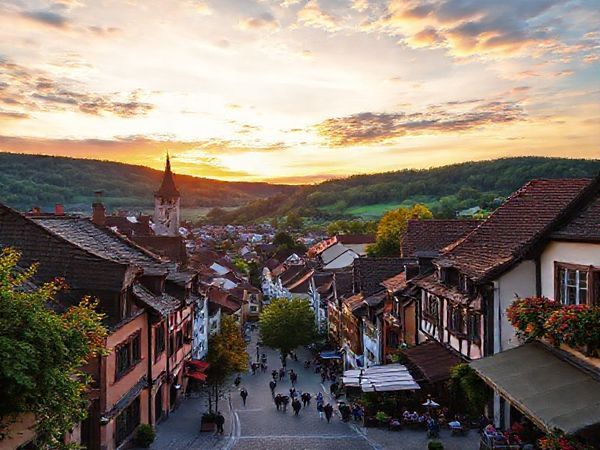
Summer transforms Arnsberg into a lush, outdoor-focused destination. From June through August, the surrounding forests of the Arnsberger Wald are at their greenest, offering excellent conditions for hiking, cycling, and leisurely walks along shaded trails. The Ruhr river becomes a focal point for warm-weather activities, with riverside paths inviting long strolls and cafés filling their outdoor terraces with locals and visitors alike. The historic Altstadt feels particularly alive during summer, as half-timbered houses glow in the sunlight and church towers stand out against clear blue skies.
This is also the season when Arnsberg hosts a variety of local festivals, open-air concerts, and cultural events, which give travelers a glimpse into regional traditions and community life. Long daylight hours make it easy to explore without rushing, whether climbing the Schlossberg for panoramic views or wandering through smaller neighborhoods beyond the old town. The main advantage of visiting in summer is the weather, which is generally mild to warm rather than oppressive, making outdoor exploration comfortable. On the downside, summer is the busiest time of year, especially in July and August, and accommodation prices can be higher while popular spots feel less tranquil than usual.
Arnsberg in winter
Winter in Arnsberg is quiet, atmospheric, and distinctly local. From December through February, the town takes on a more introspective mood, with fewer tourists and a slower daily rhythm. When temperatures drop and frost settles over the hills, the surrounding forests appear stark and dramatic, offering a different kind of beauty that appeals to photographers and travelers who enjoy peaceful landscapes. Snowfall is not guaranteed but when it happens, it adds a storybook quality to the old town’s narrow streets and historic buildings.
The winter season is ideal for visitors who appreciate calm surroundings, cozy cafés, and the chance to experience everyday life without crowds. Christmas markets in December bring warmth and light to the darker days, filling the air with the scent of mulled wine and seasonal treats. Museums, churches, and indoor cultural sites become especially appealing during this time. The main drawback of winter is the limited daylight and colder weather, which can restrict outdoor activities and make hiking less appealing. Some smaller attractions and restaurants may also reduce their hours, but for travelers seeking authenticity and tranquility, winter can be surprisingly rewarding.
Arnsberg in fall
Autumn is one of Arnsberg’s most visually striking seasons. From September through November, the forests surrounding the town explode into shades of gold, amber, and deep red, creating a stunning backdrop for walks and scenic viewpoints. The cooler air makes physical activity more comfortable, and hiking trails are particularly inviting without the heat of summer. The town itself feels balanced during fall, lively enough to feel welcoming yet calm enough to allow unhurried exploration.
Fall is also a season of local harvest traditions, and regional cuisine becomes richer and more comforting, making dining an important part of the travel experience. Wine, seasonal dishes, and hearty German classics feature prominently on menus. Visitors often choose this time of year for photography, nature walks, and cultural exploration without peak-season crowds. The main challenge of fall is the increasingly unpredictable weather, especially later in the season when rain and fog can limit visibility and outdoor plans. Still, for many travelers, the atmosphere and colors more than compensate for these occasional inconveniences.
Arnsberg in spring
Spring marks a gentle awakening in Arnsberg, typically beginning in March and gaining momentum through May. As temperatures gradually rise, the forests and parks begin to bloom, filling the landscape with fresh greens and flowering trees. This sense of renewal is reflected in the town’s atmosphere, as outdoor cafés reopen, locals spend more time outside, and the old town feels brighter and more inviting after winter.
Spring is a wonderful time for walking tours, cycling, and exploring the natural surroundings without the crowds of summer. The weather is generally mild, though still variable, which keeps the air fresh and the scenery vibrant. Cultural events begin to return, and the town feels optimistic and energetic without being busy. One drawback is that early spring can still feel cool, with occasional rain and chilly evenings, so visitors need to pack layers. Despite this, spring offers a strong balance of comfort, beauty, and affordability, making it appealing to travelers who enjoy a relaxed pace and natural scenery.
So, what time is the best to visit Arnsberg?
The best time to visit Arnsberg depends largely on what kind of experience you are seeking. For travelers who want pleasant weather, vibrant landscapes, and plenty of opportunities for outdoor activities without peak crowds, May, June, and September stand out as excellent choices. These months combine comfortable temperatures with longer days and a lively but not overwhelming atmosphere.
If festivals, outdoor dining, and a full cultural calendar are priorities, July and August are ideal, especially for first-time visitors who want to see the town at its most animated. Those who prefer quiet streets, lower prices, and a more introspective experience may enjoy December or January, particularly if they are drawn to winter markets and cozy indoor culture.
For many travelers, however, late spring and early fall strike the perfect balance. Visiting in May, June, or September allows you to experience Arnsberg’s natural beauty, historical charm, and local life at their most harmonious, making these months the most consistently rewarding time to discover this understated German town