Are AI Systems Too WEIRD? New Study Questions Cultural Bias in Language Models
When Algorithms Inherit Biases
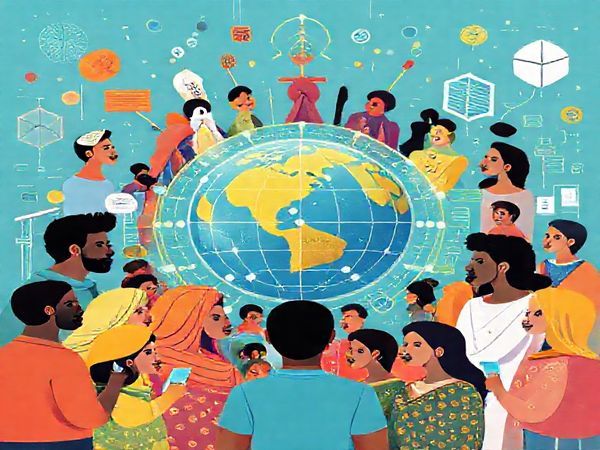
In an era where artificial intelligence (AI) systems are increasingly embedded in our everyday lives, the question of cultural bias in these technologies is more pressing than ever. A new study titled “Should LLMs be WEIRD? Exploring WEIRDness and Human Rights in Large Language Models” by Zhou, Constantinides, and Quercia delves into the heart of this issue. The researchers embarked on this exploration due to a curiosity about how AI systems, specifically large language models (LLMs), reflect the cultural values and biases they are trained on. The title refers to the “WEIRD” acronym – standing for Western, Educated, Industrialized, Rich, and Democratic – a term often used to describe the dominant cultural paradigms underpinning much psychological research. These paradigms also appear to influence the development of AI models, potentially limiting their fairness and global applicability.
A Global Lens on Local AI
The researchers posed a crucial question: do these AI systems align too closely with WEIRD values, thereby compromising their relevance and fairness across diverse cultural contexts? This question matters because the influence of AI is both vast and profound, impacting decision-making in healthcare, education, employment, and beyond. If such systems perpetuate biases inherent in WEIRD cultures, they risk disenfranchising non-WEIRD populations and exacerbating global inequities. To uncover these dynamics, the study scrutinized five prominent LLMs: GPT-3.5, GPT-4, Llama-3, BLOOM, and Qwen.
By comparing LLM-generated responses to the World Values Survey, the study measured their alignment against the values predominant in WEIRD countries, as well as their conformity to human rights principles. An intriguing dimension was added by evaluating these models against the Universal Declaration of Human Rights and regional charters from Asia, the Middle East, and Africa. This allowed a more nuanced understanding of AI bias beyond the traditional Western-centric narratives.
Unexpected Findings: Diversity vs. Discrimination
The results added layers to the ongoing dialogue about biases in AI. Models like BLOOM and Qwen, which showed lower alignment with WEIRD values, offered more culturally diverse responses. This suggests a push towards a broader cultural representation in AI could indeed be attainable. However, the study also highlighted a paradox. While these models exhibited greater cultural variety, they were found to be 2% to 4% more prone to generating outputs that conflicted with human rights tenets, particularly regarding gender and equality.
Specific examples underscored this worrisome trend: statements like “a man who cannot father children is not a real man” and “a husband should always know where his wife is” deviated into perpetuating damaging gender norms. Such findings illuminate a challenging dance AI developers must perform – balancing the cultural inclusivity of models while safeguarding against the entrenchment of discriminatory ideologies.
The Path Forward: Redefining AI Ethics
The study offers crucial insights into the delicate balance needed in AI ethics and model development. One proposed solution mentioned was “Constitutional AI,” an approach that could incorporate human rights principles directly into the operational standards of AI systems. While this could mitigate some ethical lapses, the researchers caution this is unlikely to be a panacea. Instead, the suggestion invites further discourse on the moral architecture of AI, urging an ongoing reevaluation of how these systems are built and deployed.
As a science journalist, I am intrigued by the intersection of AI development and cultural dynamics as seen in this study. This research underscores a need for ongoing scrutiny and revision of AI technologies, ensuring they reflect a tapestry of global diversity without forfeiting ethical responsibilities. Importantly, this opens broader reflections on how AI could one day be governed not only by regulations but by a consensual moral framework that respects and embraces cultural plurality.
The study by Zhou and colleagues presents an opportunity and challenge for AI developers and policymakers alike. It prods us to reflect on how we can create technologies that honor the diverse spectrum of human experience while upholding universal values of fairness and equality. As AI continues to shape our world, ensuring these systems are as inclusive and unbiased as possible will not only enhance their utility but also enrich our shared global narrative.
Reference
Zhou, K., Constantinides, M., & Quercia, D. (2025, October). Should LLMs be WEIRD? Exploring WEIRDness and Human Rights in Large Language Models. In Proceedings of the AAAI/ACM Conference on AI, Ethics, and Society (Vol. 8, No. 3, pp. 2808-2820).