Subverted Expectations: a feminist review of Wake Up Dead Man: A Knives Out Mystery (2025)
Unraveling the Mystery: Surface and Style
When it comes to creating an intricate tapestry of suspense interwoven with smart social commentary, “Wake Up Dead Man: A Knives Out Mystery (2025)” delivers a delightful puzzle to unravel. Director Rian Johnson crafts yet another beguiling narrative, dizzying viewers with a labyrinthine plot that delights at every twist and turn. In combining razor-sharp wit with an eye for visual flair, Johnson offers both fans of mystery and lovers of cinema an experience steeped in both suspense and stylish panache.
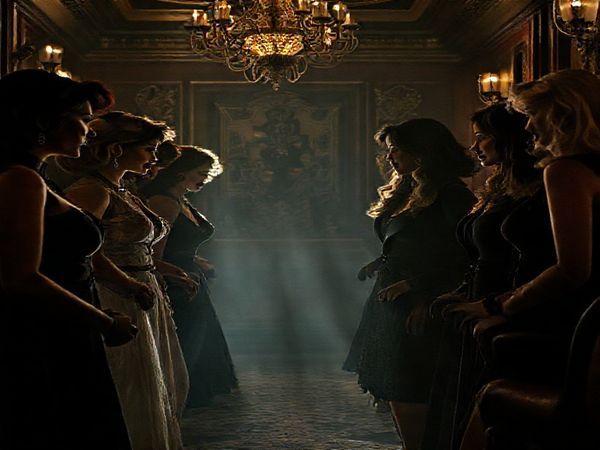
From the vibrant color palette to the intricately constructed set pieces, the film dazzles visually. The costuming reflects character nuances and the mise-en-scène is nothing short of a love letter to the genre: opulent yet mysterious. And once more, Johnson gives Daniel Craig’s Benoit Blanc a playground to explore charisma and cunning, elements that make him such a magnetic presence on screen.
Dialogues and Gender: Who Gets to Tell the Story?
Yet, when we delve into the muscles of dialogue and communication within the film, feminist questions arise. “Wake Up Dead Man” largely succeeds in diversifying its cast, offering a commendable array of women characters with supposedly strong voices. However, a closer look reveals a prevailing trend of pivotal moments driven by male revelation and orchestration. Scenes that should function as dynamic, independent exchanges among female characters sometimes become tools for driving male-driven plot points.
This is not to say the film lacks interesting women characters; rather, it highlights the persistent challenge in films of this nature to center women’s storytelling more substantially. While the ensemble includes standout performances, the script occasionally veers toward sidelining their agency, with male figures often embodying problem-solvers or the authorities on truth.
Empowerment Versus Archetype: Breaking and Reinforcing Roles
Beneath the sheen of mystery, gender roles and expectations stimulate further critical thought. Women in “Wake Up Dead Man” often embody roles tinged with societal expectations — the dutiful wife, the rebellious young woman, the wise elder. Though these characters eventually contribute to unraveling the mystery, the journey there is muddy with conventional tropes. The film hints at subverting these expectations, yet arguably stops short of fully deconstructing them, leaving us to wonder whether the true mystery is how far filmmakers are willing to go in exploring deeper societal change.
Despite this, there are flickers of breakthrough ambition. One character in particular stands out as a narrative catalyst, eschewing assigned roles and challenging male assumptions, providing a refreshing counterpoint. Yet, the lingering reliance on traditional archetypes sometimes dampens the potency of her story arc.
Reflecting Society: A Mirror of Values
On the broader canvas, “Wake Up Dead Man” lays bare values wrapped in themes of legacy, ambition, and the ever-present quest for authenticity. Family dynamics oscillate between loyalty and betrayal, a testament to the film’s emotional power and its capacity to mirror real-life complexities. Notably, the film also probes the role of maternal figures, suggesting how deeply female-identifying characters shape the familial fabric and ambitions within the story.
Thematically, the movie invites audiences to question perspectives on ambition and intimacy, asking what legacies our pursuits build or destroy. Through the rich tapestry of its characters, the film portrays how societal expectations precariously balance with individual desires, creating a reflective symphony of empowerment and entrapment. Yet, revelations of character motivations reveal a world where gender plays a significant role in what is deemed acceptable or probable.
Conclusion: Artistry and Awareness Hand in Hand
In “Wake Up Dead Man: A Knives Out Mystery,” Rian Johnson continues his tradition of stylish storytelling and salient commentaries infused with humor and intelligence. While the film might not have addressed all feminist critiques head-on, it certainly opens dialogues that beckon closer examination. Its artistry is undeniable, yet the questions it raises about gender roles and narrative agency remain pertinent and potent.
Ultimately, the film is a testament to both its strength in craftsmanship and its invitation for viewers to dissect deeper ideological meanings, particularly through a feminist lens. A love letter to the mystery genre, the movie’s spellbinding nature is only enriched by the discussions it provokes – proving that cinema’s power is not simply in the story it tells, but in the dialogue it inspires beyond the frame.