What is the best time to visit Te Hāpua?
Nestled in the northern tip of New Zealand’s North Island, Te Hāpua is a charming and remote locale that promises visitors a unique blend of tranquility and scenic beauty. As New Zealand’s northernmost settlement, Te Hāpua offers a quiet retreat away from the bustling tourist hubs, enveloping visitors in an intimate atmosphere rich with natural wonders and cultural heritage. The small community welcomes travelers with its serene harbor views and the iconic landscapes of the Far North region, making it an idyllic destination for those seeking to connect with nature.
Te Hāpua in Summer
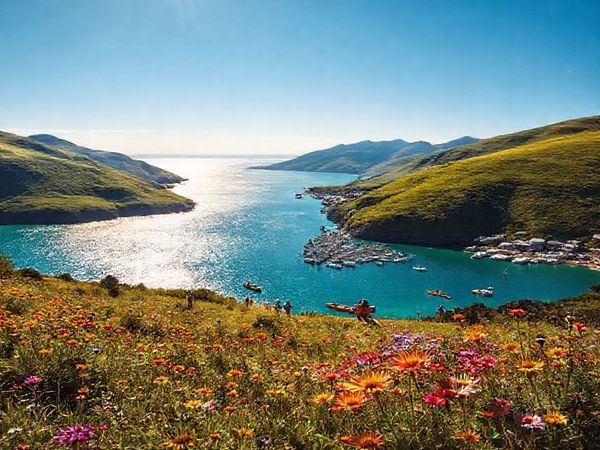
Summer in Te Hāpua, from December to February, transforms this secluded area into a vibrant oasis, where the coastline shimmers under the sun’s warm embrace. During this period, the weather is generally warm and inviting, making it an excellent time for outdoor activities. The azure waters of Parengarenga Harbour come alive, inviting visitors to indulge in activities such as swimming, kayaking, and fishing. The surrounding hills offer trails for hiking enthusiasts, who can bask in panoramic views stretching across the pristine landscapes.
However, the summer season can also bring a surge in visitors, especially locals from other parts of New Zealand seeking refuge in this idyllic spot. While still considered off the beaten path, it’s suggested to book accommodations early to ensure a spot. The long daylight hours are perfect for exploring the indigenous culture and history of the area, too. Additionally, travelers might find summer’s occasional humidity a bit overwhelming, but it’s a small price to pay for the experience of the lush, vibrant environment in full bloom.
Te Hāpua in Winter
From June to August, winter descends upon Te Hāpua with a cooler, more subdued charm. The temperatures during this time are mild compared to other parts of New Zealand, making it a peaceful getaway for those who aren’t fans of the biting cold. The landscape takes on a quieter, more introspective beauty. While water sports may not be as popular, it’s the ideal season to explore local crafts and immerse oneself in the serene environment.
Visitors during the winter months will find fewer crowds, offering a more personalized experience of this remote paradise. This can be particularly appealing for those looking to escape the hustle of daily life and find solace in nature’s embrace. However, note that some tourism services might be limited compared to the busier months, and the shorter days mean less sunbathing but create opportunities to enjoy cozy evenings and long conversations by a fireplace if one’s lodging offers such amenities.
Te Hāpua in Fall
As autumn sweeps through Te Hāpua from March to May, the region is graced with a tranquil ambiance and a kaleidoscope of earthy hues. The temperatures remain pleasantly mild, which makes outdoor exploration comfortable and inviting. The changing leaves create a stunning backdrop for hiking and picnicking by the harbor, and the atmosphere feels more intimate as visitor numbers begin to decrease following the bustling summer.
This time of year is perfect for those interested in photography or painting, as the lighting and colors can be particularly striking. Fall is also an excellent period for cultural exploration, as local events and community gatherings are more easily accessible without the summer throngs. A slight drop in temperature can mean packing an extra layer, but the trade-off is a more peaceful experience, where nature’s beauty can be enjoyed in relative solitude.
Te Hāpua in Spring
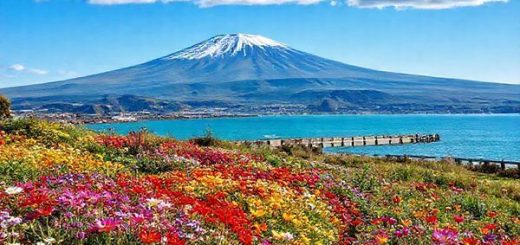
Spring, spanning September to November, heralds a period of renewal in Te Hāpua, with flora burgeoning in vibrant tones and the air filled with fresh scents. Temperatures start to climb, making it a delightful precursor to summer without the more extreme heat. This season offers the opportunity to witness the amazing transformation of the landscape with blooming wildflowers and lush greenery.
Spring is an ideal time for wildlife enthusiasts, as the local fauna becomes more active, and birdwatchers can revel in the sight of native species as they flock to the region. The comfortable climate makes for perfect trail conditions, and visitors can enjoy kayaking in less crowded waters. Although occasional showers may surprise you, they contribute to the region’s lushness, providing a different, more dynamic experience of Te Hāpua’s natural beauty.
So, What Time is the Best to Visit Te Hāpua?
The best time to visit Te Hāpua largely depends on your personal preferences and the type of experiences you’re seeking. If you thrive in warm weather and enjoy water sports and long daylight hours, December through February would be ideal, albeit with the likelihood of encountering more visitors. Alternatively, for those seeking solitude and a restful retreat, June to August offers a quiet, unhurried atmosphere with mild winter days. For a sweet spot combining mild weather and fewer crowds, consider visiting during the transition seasons of March to May or September to November, when you can enjoy a harmonious mix of pleasant temperatures and beautiful, evolving landscapes.