Silent Strength: a feminist review of John Wick: Chapter 4 (2023)
The Dance of Violence: Beauty in Brutality
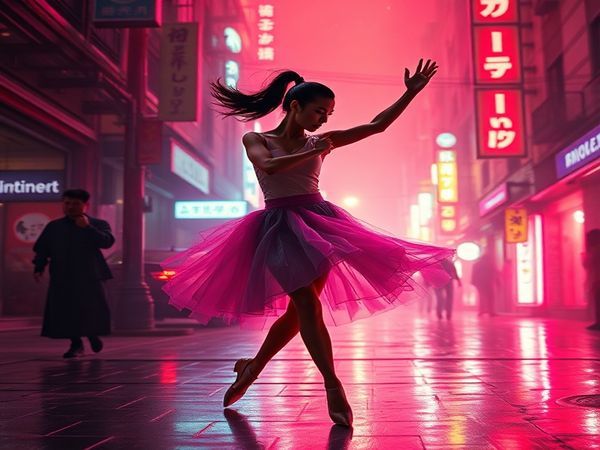
“John Wick: Chapter 4” is a visual symphony of kinetic energy where choreography elevates carnage to a ballet of vengeance. Director Chad Stahelski continues to refine the aesthetic language of the franchise, blending meticulous stunt work with a neon-drenched visual palette that seduces the viewer into a world where violence is inseparable from beauty. The film’s action sequences are intoxicating, adeptly utilizing the medium of film to weave motion and emotion into a tapestry that is both thrilling and aesthetically satisfying. Within this ambit of orchestrated chaos, however, lies a narrative tradition steeped in male-centricity, compelling the discerning feminist viewer to peer beyond the captivating spectacle.
Gendered Harmonics: Women’s Voices in the Echo Chamber
In the grand orchestral narrative of “John Wick: Chapter 4,” female characters play parts that resonate yet are often confined to supporting roles in a predominantly masculine symphony. The directorial decision to minimally integrate women into the forefront reveals a structural bias that aligns with traditional action genre paradigms. While characters like Rina Sawayama’s Akira and Natalia Tena’s brief yet impactful presence suggest a nod to women with agency, these roles are regrettably peripheral, their agency shadowed against the towering presence of Wick’s unyielding quest.
The dialogues, though sparse and often overshadowed by the relentless pace of action, rarely venture to pass the Bechdel Test, falling prey to the gravitational pull of the male protagonist’s narrative. Conversations involving women are infrequently without a male interlocutor or concern, maintaining an aura of male mediation within the broader storyline. This thematic confinement underscores a missed opportunity to craft a narrative arc that allows women not merely to speak, but to drive the plot forward in substantive ways.
The Intimacy of Isolation: Deconstructing Wick’s Solitude
The central theme of “John Wick: Chapter 4” is solitude. John Wick, a reluctant warrior caught in an eternal cycle of retribution, personifies isolation. Within the confines of his emotionally muted existence lies a commentary on traditional masculinity and its requisite detachment from vulnerability. Keanu Reeves imbues his character with a quiet gravitas, capturing the pain beneath the stoicism as he navigates a world of fleeting alliances and existential threats.
Yet as Wick trudges through this cinematic odyssey, one finds an absence of meaningful connections with women that transcend the transactional. The film offers fleeting glimpses of Wick’s yearning for relational closure, but such prospects remain conventionally restrained by a narrative more interested in perfecting its sleek action signature than engaging in the messy realities of human intimacy. This focus on individualism, though artistically resonant, belies a deeper cultural narrative where traditional patriarchal values of honor and revenge supplant potential familial or emotional bonds.
Cinematic Alchemy: Merging Craft with Critique
As we immerse ourselves in the technical craft of “John Wick: Chapter 4,” we find a cinematic world meticulously sculpted by sound, lighting, and design choices that command attention and admiration. The symbiosis of music and action elevates the film, while the eclectic locations from Osaka to Berlin underline the narrative universality by blending regional aesthetics with global themes. The fluidity of camera work captures Wick in a flurry of bullets and ballet, drawing the viewer into a masterfully woven dance of survival and retribution.
Yet, this awe-inspiring craft is tempered by the film’s patriarchal blueprint, a reminder that beneath the beautifully curated chaos lies a narrative often resistant to progressive gender inclusivity. In the realm of contemporary cinema, where stories yearn for complexity and depth, “John Wick: Chapter 4” offers an exhilarating ride with an unexpectedly traditional underpinning. It creates a sensory spectacle while simultaneously prompting the conscientious viewer to reflect on the spaces women occupy in this beautifully violent world.
Conclusion: A Call for Broader Horizons
“John Wick: Chapter 4” stands as a testament to the cinematic prowess of its creators, delivering aesthetic innovation and unyielding tension with unbridled flair. Nevertheless, as we delve deeper into the film’s gender dynamics, the underlying structures reveal a commitment to archetypal narratives where women’s roles remain largely supportive or ornamental. As cinema continues to evolve, one hopes for narratives that not only celebrate action but also embrace the rich tapestry of voices and stories beyond the male gaze. In a film that transforms violence into art, there is potential for the evolution of gender roles – an evolution where female characters can stride as confident architects of their destiny rather than mere witnesses to a facade of silent strength.